
Last updated November 21, 2026
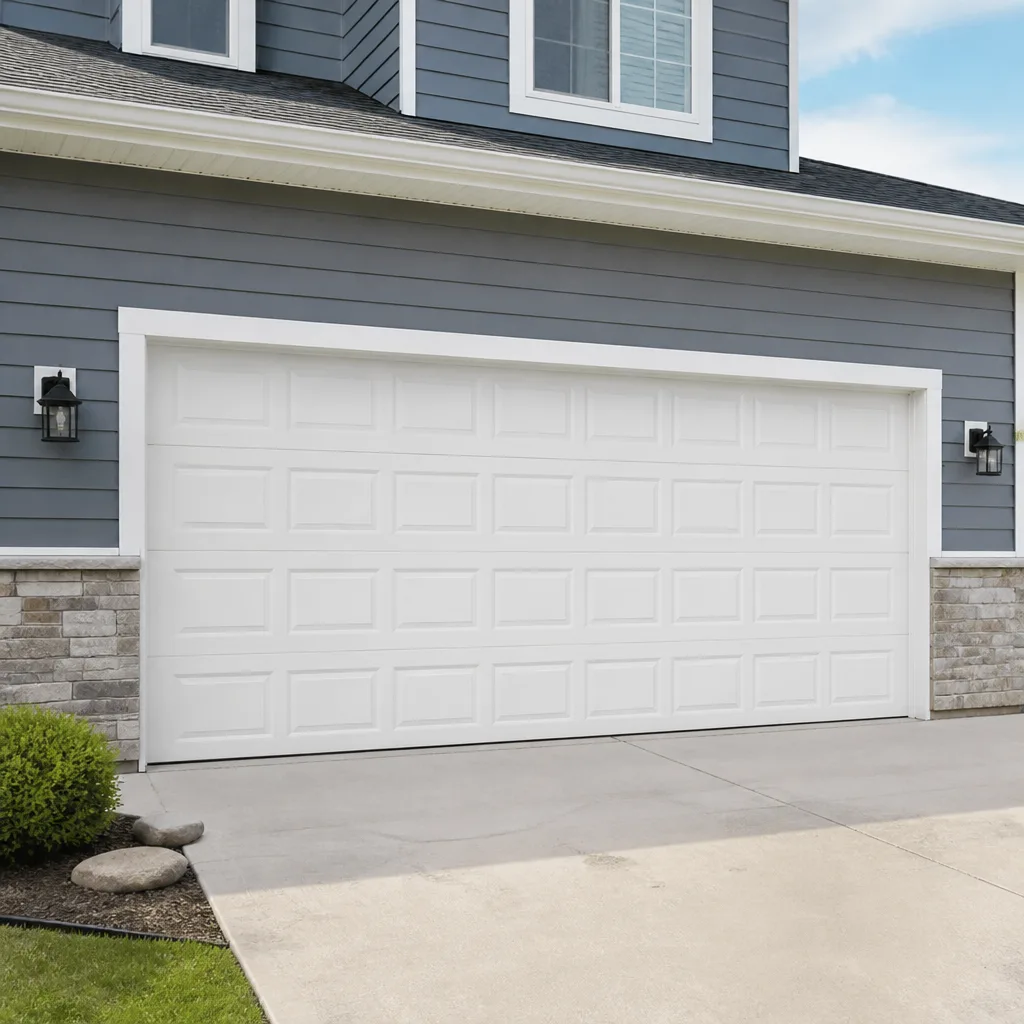 Raised-panel steel
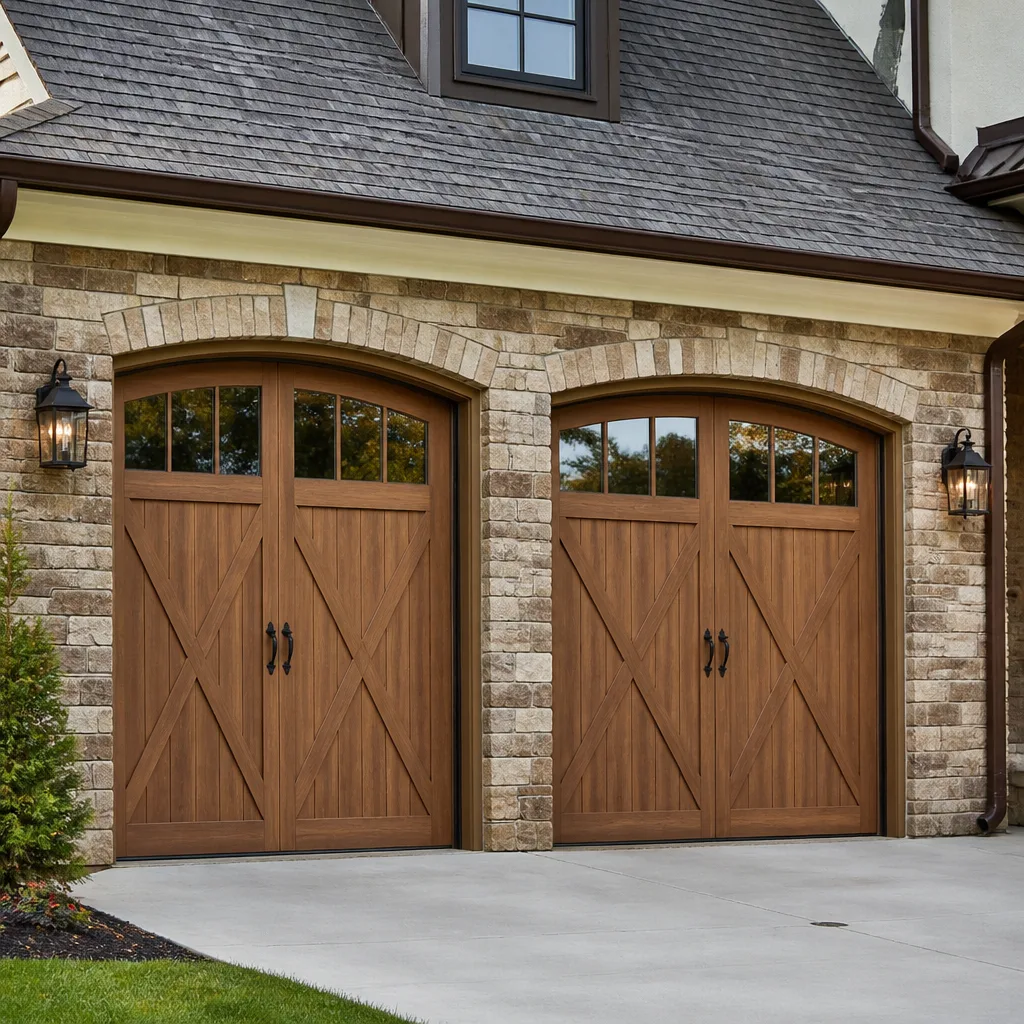 Carriage house
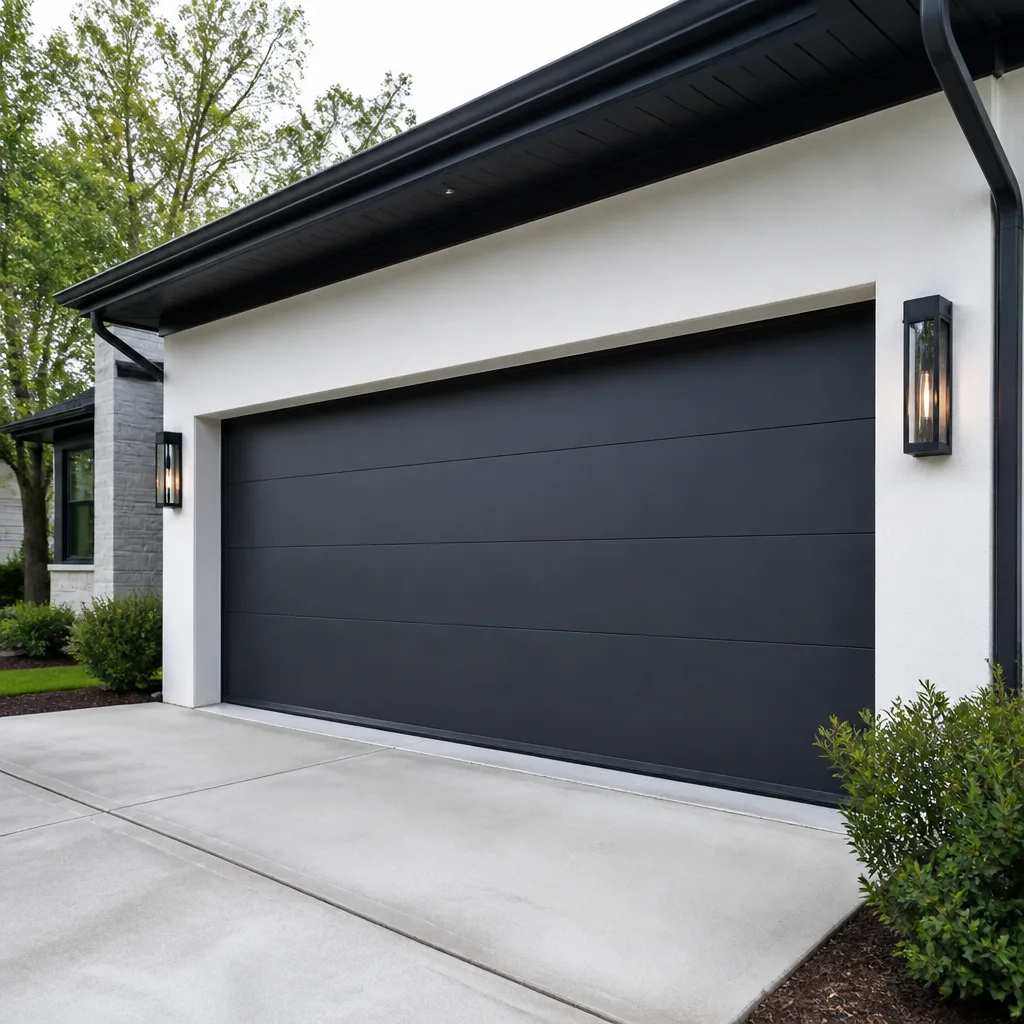 Modern flush
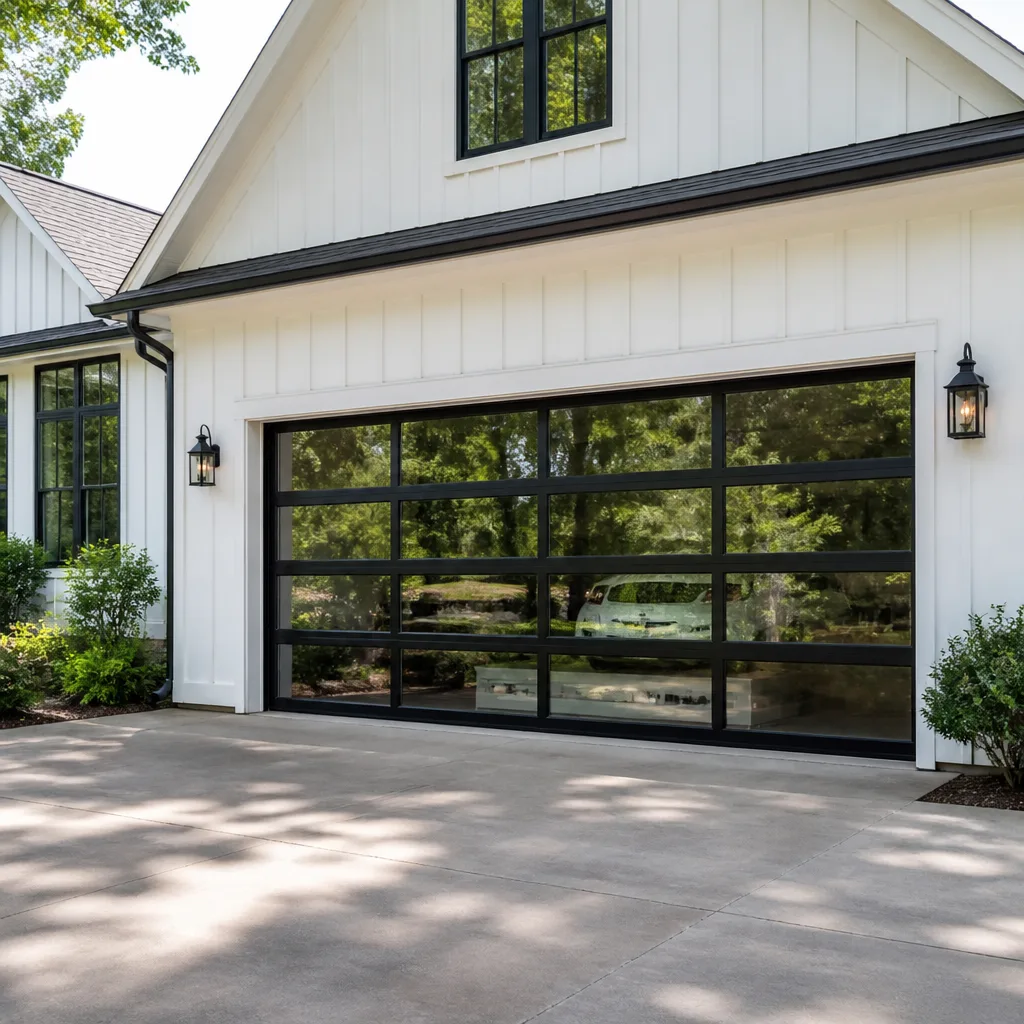 Full-view glass
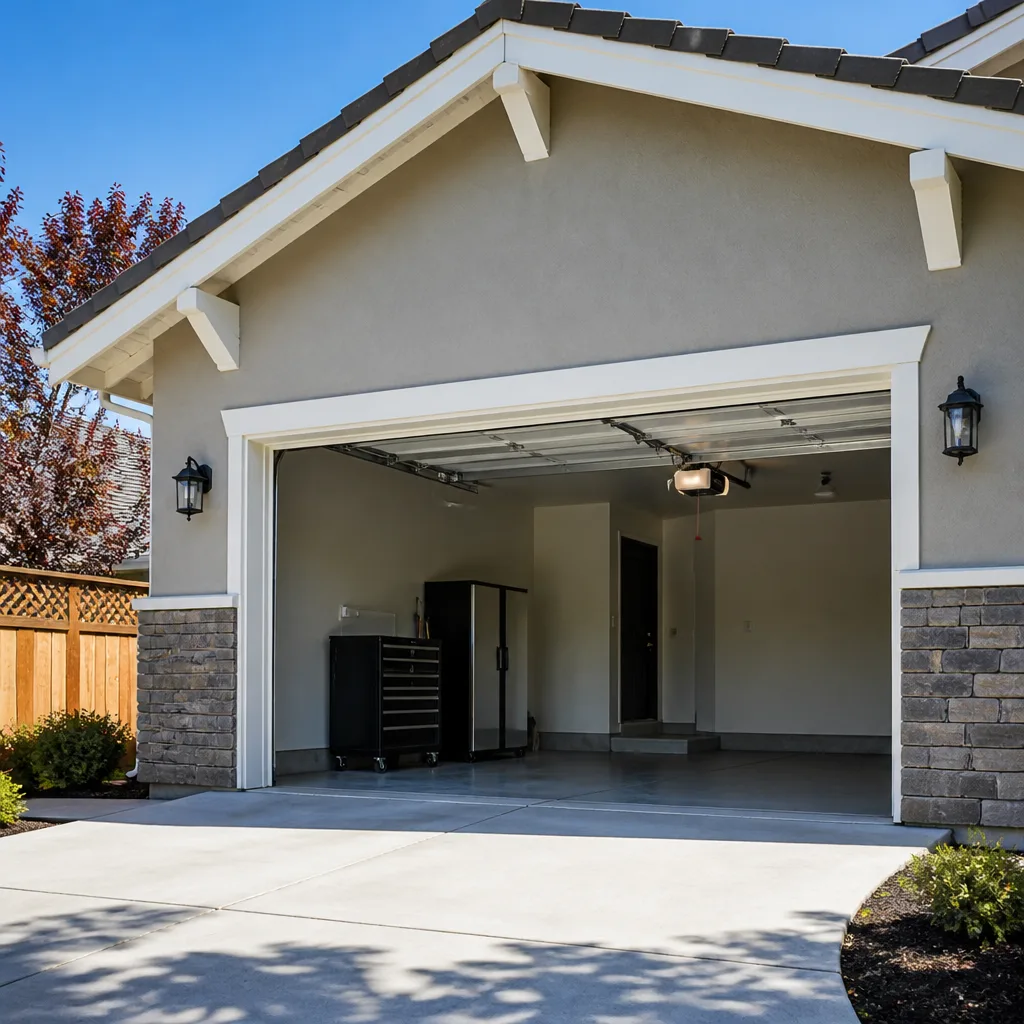 LiftMaster openers
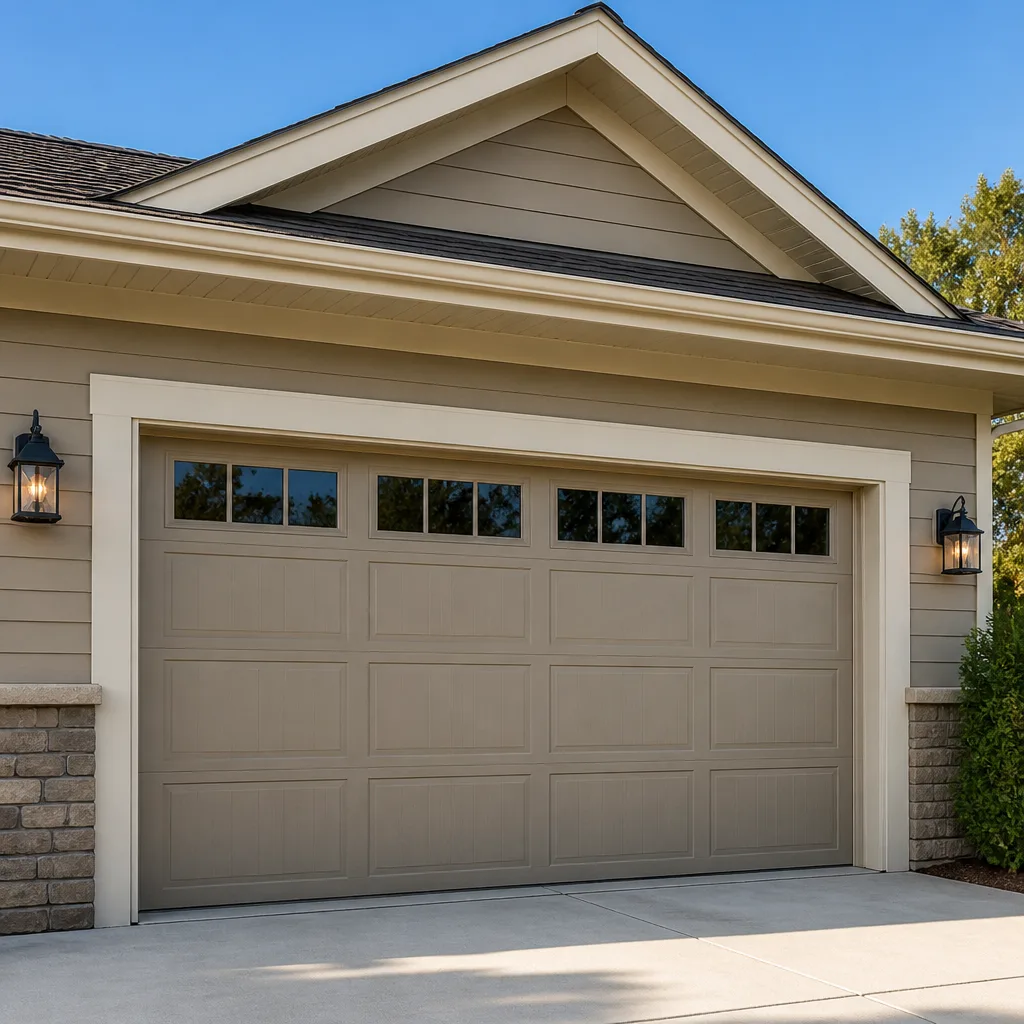 Chamberlain openers
Full 25-point door and opener safety check with every visit - springs, cables, rollers, tracks, and your LiftMaster or Chamberlain opener included
You get a price before we start. It does not change when the pro arrives.
Get your free estimateGarage Door Permits, Codes & Inspections in Canton, MD: What You Need to Know
Most garage door work in Canton doesn’t touch a permit. That’s the part that surprises people, and it’s usually the part that gets them into trouble. A spring replacement, an opener swap, even a same-size door replacement on the same track in the same opening typically doesn’t trigger a Baltimore City building permit. But a wider opening, a new header, or structural work behind the door frame does, and that’s where homeowners get caught. The permit itself isn’t the problem. The problem is what happens when nobody pulls one and the paperwork surfaces during a title search or an insurance claim. This guide walks through where the line sits, what an inspection actually looks at, and how to keep a Canton project moving.
Quick Answer
In Canton and the rest of Baltimore City, a straight replacement of a garage door with the same size in the same opening generally does not require a building permit. Any change to the structure around the door, including widening the opening, replacing a header or lintel, or altering the framing, does require a permit from Baltimore City’s building department. Homeowners should also check HOA rules separately, since HOA approval and city permits are two different processes that run on separate timelines.
Styles & brands we work with
- Raised-panel steel
- Carriage house
- Modern flush
- Full-view glass
- LiftMaster openers
- Chamberlain openers
Table of Contents
- When Does a Garage Door Job Need a Baltimore City Permit?
- Structural Changes That Always Need a Permit
- What a Baltimore City Inspection Actually Checks
- HOA Approval and City Permits: Two Separate Tracks
- How Unpermitted Work Affects Your Insurance
- Why Spring and Opener Work Is Different From Permit Work
- Keeping Records That Protect You at Resale
When Does a Garage Door Job Need a Baltimore City Permit?
Start with the simplest rule: if the opening stays the same size and the framing behind it doesn’t change, the job is usually exempt from a building permit. That covers most of what we handle in Canton, including spring repair, opener replacement, panel swaps, and a full door replacement that matches the old door’s dimensions. Those are maintenance and replacement jobs, not structural ones.
The moment the job changes the structure, the answer flips. Widening a single-car opening to fit a double door, raising the header to gain height, cutting into a load-bearing wall, or adding a new lintel all cross into permitted work. That holds no matter what the door costs. A $600 door in a newly framed opening still needs the same permit as a $6,000 door in that same opening.
Where things get gray is the in-between work. Fresh framing around a damaged opening after a rotted header is found? That’s usually permitted work, because the framing is part of the structure. A new track layout because the old one was bent? Usually not permit territory. When we’re unsure, we tell the homeowner to call Baltimore City’s building department directly and describe the scope. It’s a short call and it settles the question.
Canton’s housing stock makes this more relevant than it might sound. Many of the row houses and converted commercial buildings in the neighborhood have garages that were added or modified at some point, and the framing around those openings isn’t always what it looks like under the drywall. On older structures, what looks like a simple door swap can uncover header work that was never done to code in the first place. That’s a conversation to have before the door is ordered, not after.
One practical note: the permit threshold is about scope, not brand or door style. A LiftMaster opener, a Chamberlain unit, or a Genie system all sit on the same side of the line. The opener is equipment. The opening is structure. Only one of them belongs in a permit application.
Structural Changes That Always Need a Permit
Any structural modification around the garage door requires a Baltimore City permit, regardless of the door’s price or how small the change looks on paper. The building department cares about the framing, the load path, and the opening, not the product hanging in it.
These are the changes that put you in permitted territory:
- Widening the opening to fit a larger door. New framing and a new header are almost always part of this.
- Raising the header height to gain clearance, which means the old header comes out and the load path is re-engineered.
- Replacing a lintel or header, including when rot or sag makes the replacement necessary.
- Cutting into a load-bearing wall to create or enlarge a garage opening.
- Adding a new garage door opening to a wall that previously had none.
- Reframing the opening after structural damage, even if the door ends up the same size.
Here’s the distinction that matters for homeowners: the door company handles the door, and the structural work is a separate scope. In Canton, when a project crosses into header or framing work, the smart move is to get a licensed contractor on the structural side and treat the door installation as a follow-on. That keeps the permit application clean, keeps the inspection focused on the right thing, and avoids a scenario where the inspection fails because the door was hung before the framing was signed off.
Every job like this is quoted in writing before work starts. Nobody should be surprised by the scope or the price when the framing comes open.
What a Baltimore City Inspection Actually Checks
A Baltimore City inspection on a garage door project is checking the structure and the safety of the installation, not the cosmetics. The inspector isn’t there to judge your new door’s color or whether you picked a Raynor or a Clopay model. The inspection is about whether the opening, the framing, and the installed hardware meet the code requirements for the permit that was pulled.
In broad terms, here’s what a garage door inspection looks at on a permitted job:
- The framing and header. The inspector verifies the header is sized and installed correctly and that the load path around the opening is sound.
- The opening dimensions. The rough opening should match the permitted drawings.
- Attachment and anchorage. Track brackets, hinges, and the door’s connection to the framing are checked for proper fastening.
- Safety hardware. The door’s spring system and, on an opener-equipped door, the auto-reverse and photo-eye safety features are checked for function.
- Clearances. The door’s travel, the track position, and the relationship to the surrounding structure should match what was permitted.
To prepare for an inspection in Canton, have the permit and approved drawings on hand, make sure the work area is clear so the inspector can reach the opening and the tracks, and confirm the door is fully operational before the inspection date. If the opener is installed and wired, test the photo-eye and the auto-reverse before the inspector arrives. A dead opener on inspection day means a fail and a re-inspection, which is a delay nobody wants.
One thing inspectors don’t check: whether your HOA is happy. That’s a separate process, and it’s the next section.
HOA Approval and City Permits: Two Separate Tracks
HOA approval and a Baltimore City permit are two different processes with two different reviewers, and neither one substitutes for the other. A homeowner can have a fully permitted, code-compliant installation and still be in violation of the HOA architectural guidelines, and the reverse is also true. Running both tracks in parallel is how Canton projects avoid sitting idle for weeks.
Here’s the sequence that keeps both moving:
- Read the HOA architectural guidelines first. Many associations restrict door style, panel design, color, and window configuration. Knowing the rules before ordering saves a return.
- Submit the HOA application early. HOA review timelines vary, and some boards meet only periodically. Submit before the permit application if the door selection depends on HOA approval.
- File the city permit application in parallel if the scope is structural. The building department and the HOA review independently.
- Order the door only after both approvals are in hand, unless the HOA allows conditional approval and the door is a standard size.
- Keep the HOA approval letter and the permit in the same file. Both documents are useful at resale.
Canton’s mix of older row houses and newer conversions means HOA rules vary block to block. Some associations are strict about door style. Some don’t regulate the garage door at all. Confirming with the association before ordering a Chamberlain-equipped smart door or a specific panel design saves the cost of returning a door that doesn’t fit the architectural guidelines. We can walk through the door specifications with the homeowner so the HOA application is accurate, but the application itself belongs to the homeowner and the board.
How Unpermitted Work Affects Your Insurance
Unpermitted structural work on a garage door can complicate a homeowner’s insurance claim if the door or the framing around it is later involved in property damage or injury. This isn’t a scare tactic; it’s how claims get reviewed. When an adjuster sees structural modifications with no permit and no inspection, the question of who is responsible for the work comes up, and the answer can shift the cost back to the homeowner.
The risk shows up in a few ways. A claim involving a failed header or a collapsed opening on unpermitted work may face scrutiny over whether the modification was done to code. A liability claim involving injury may raise similar questions. And on the resale side, a title search that turns up unpermitted structural work on a garage can delay or complicate a closing until the work is retroactively permitted or removed. The permit isn’t just paperwork; it’s the record that the work was done to a standard someone verified.
Worth saying plainly: the permit requirement applies to the structural scope, not to routine repair. A spring replacement, an opener repair, or a same-size door swap doesn’t put a homeowner in this conversation. The insurance concern is about structural changes, and that’s a narrow enough set of jobs that it’s easy to check before work starts.
For Canton homeowners who aren’t sure whether work from a previous owner was permitted, the building department can usually tell you what permits were pulled on the property. It’s worth doing before a sale, not during one.
Why Spring and Opener Work Is Different From Permit Work
Spring repair and opener repair fall outside the permit conversation, but they carry their own risk profile, and that’s why we treat them as their own category. A torsion spring under load stores enough energy to cause serious injury if it’s handled wrong. The bolts, cables, and winding bars involved aren’t a homeowner-level project, and the safest path is a trained technician who has done the work repeatedly.
What that means in practice:
- Springs: Torsion and extension spring replacement is technician work. Avoid unwinding, cutting, or adjusting a spring under tension.
- Cables: The lift cables are under tension too. The same caution applies.
- Openers: Electrical connections, the safety reverse, and the photo-eye alignment are worth checking, but replacing an opener motor or rewiring the unit is a job for someone familiar with the brand’s wiring and setup.
- Track and panel alignment: A door that has come off track can be dangerous to force back into place. It’s a technician call, not a Saturday project.
Opener platforms vary too. A LiftMaster or Chamberlain smart opener with Wi-Fi setup behaves differently from a legacy Genie or a Raynor unit. The safety features on a modern system need to be set up correctly, not just powered on. And a door that fails to reverse on contact is a real hazard, not a quirk. We can check the safety reverse and the photo-eye as part of a routine service call, and it’s worth doing any time the door has been bumped or the opener has been replaced.
On a job like this, the cost is quoted and agreed before work begins. No one should learn the spring price after the work is done.
Keeping Records That Protect You at Resale
The paperwork a Canton homeowner keeps after a garage door project matters as much as the work itself. When a home goes on the market, a title search can surface permits and inspections, and having the records in hand shortens the conversation.
Keep these documents together:
- The written estimate and the final invoice from the door company.
- The Baltimore City permit and the inspection sign-off, if the work was structural.
- The HOA approval letter, if the association reviewed the door.
- Manufacturer documentation for the door and the opener, including any warranty registration.
A note on the door’s age: manufacturer documentation helps a buyer’s inspector understand what they’re looking at. It doesn’t replace the permit, and the permit doesn’t replace the HOA letter. They cover different things, and a complete file has all of them.
Common Mistakes to Avoid
- Assuming a same-size replacement needs a permit. In most cases it doesn’t. Confirming with the building department before assuming either way is the safer move, and it’s a quick call.
- Skipping the permit on a structural change. Widening the opening, replacing a header, or reframing after damage is permitted work. Doing it without a permit creates a paper trail problem that surfaces at resale or at claim time.
- Treating the HOA and the city as one approval. They’re separate processes with separate timelines. Submitting to one and assuming the other is handled is how projects stall.
- Ordering the door before HOA approval. Associations that restrict door style, color, or panel design can reject a door after it’s been ordered. Checking the guidelines first avoids a return.
- Scheduling the inspection before the door is operational. An inspector needs to see the door work, including the safety reverse and the photo-eye. A dead opener on inspection day means a re-inspection.
- Handling spring or cable work yourself. Torsion springs and cables are under high tension. A technician is the right call, every time.
- Not keeping the paperwork. The permit, the inspection sign-off, the HOA letter, and the invoice belong in the same file. A buyer’s title search will look for them.
See the difference
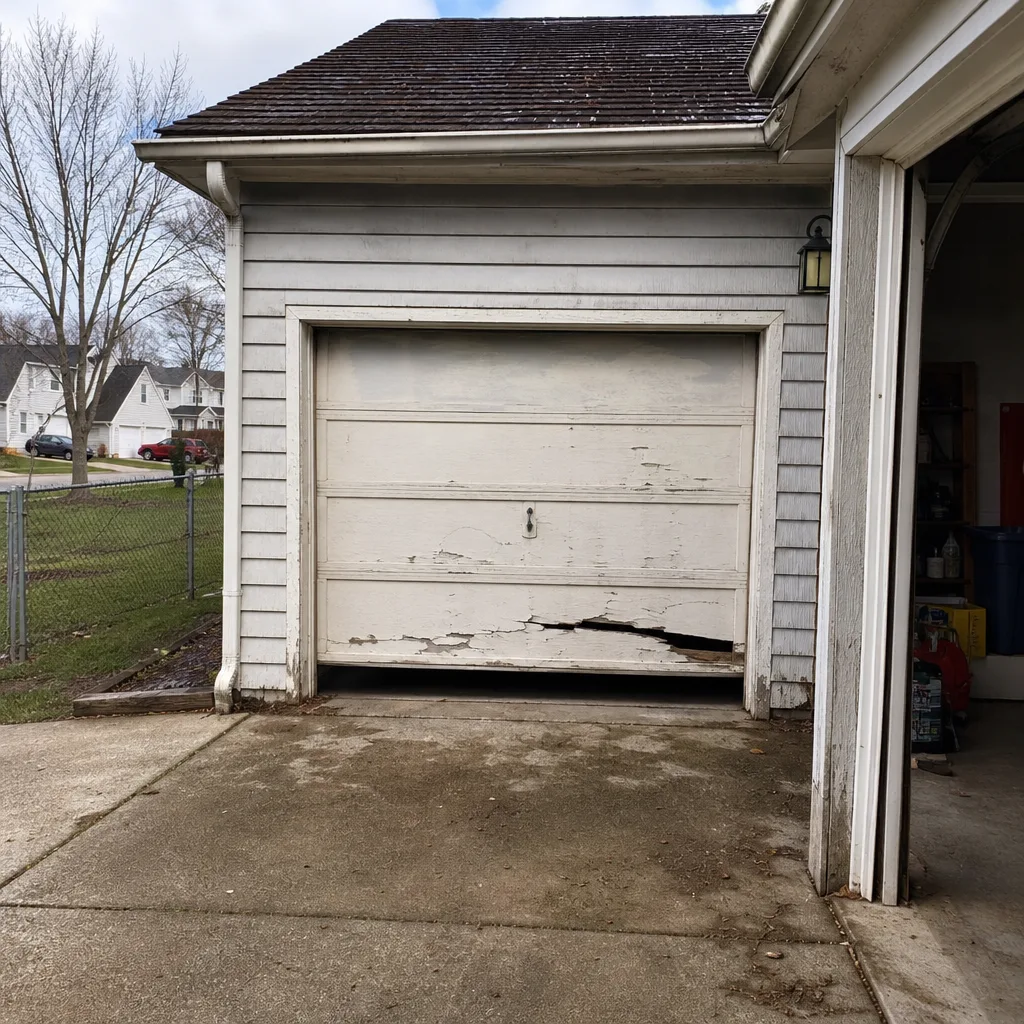 Before
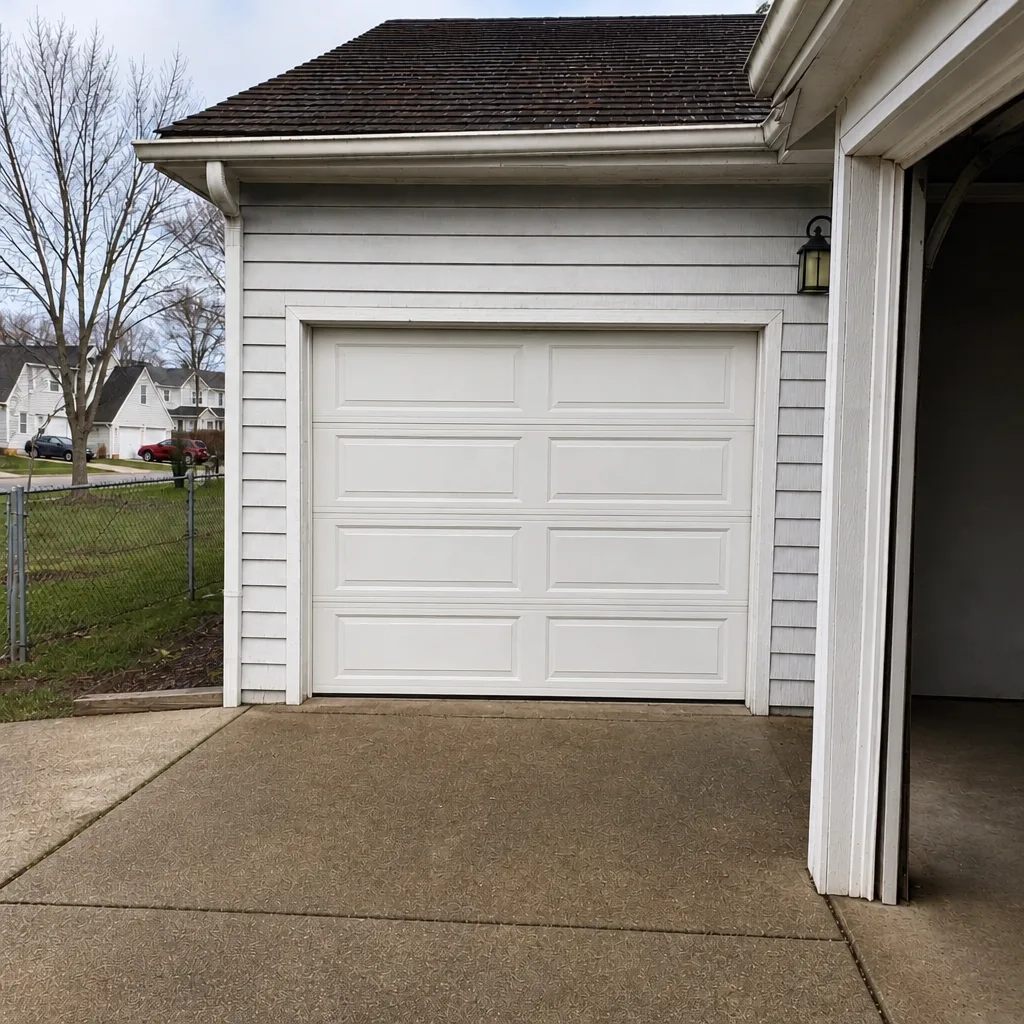 After
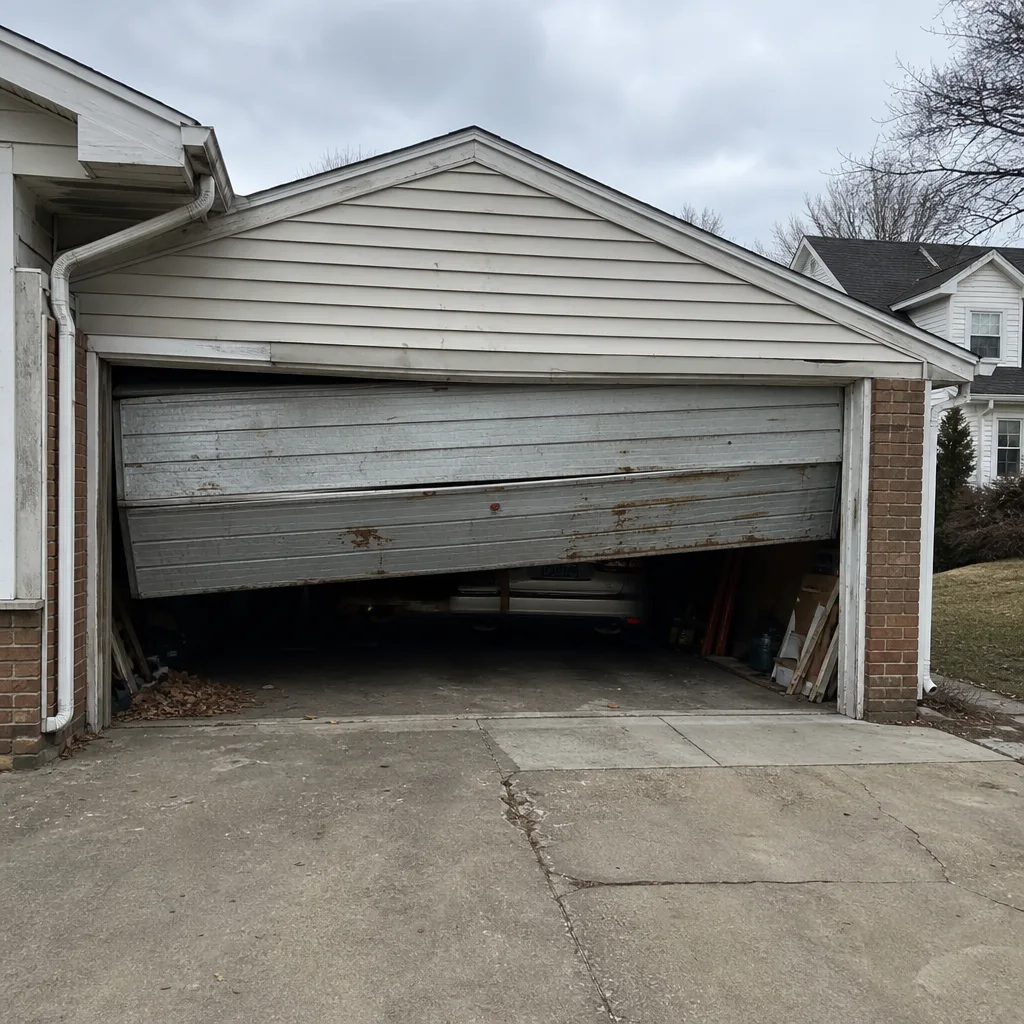 Before
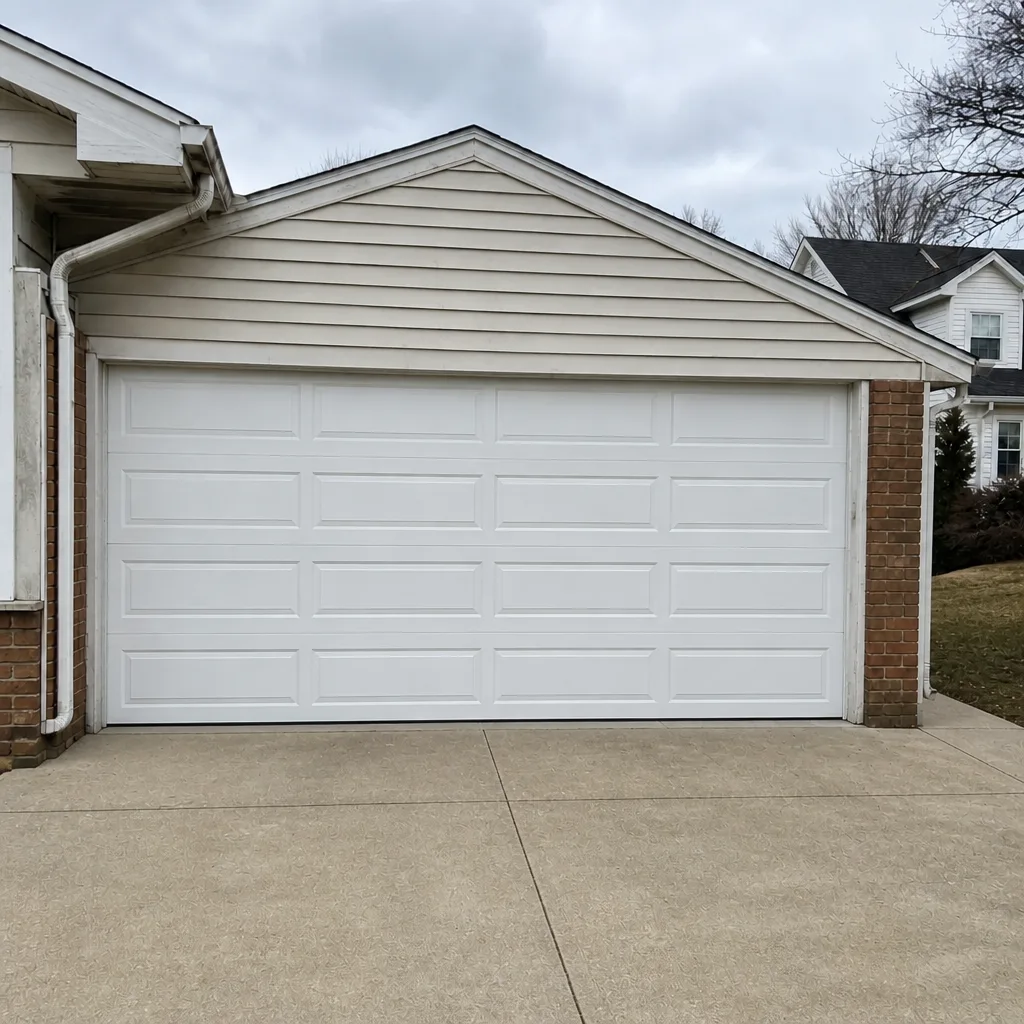 After
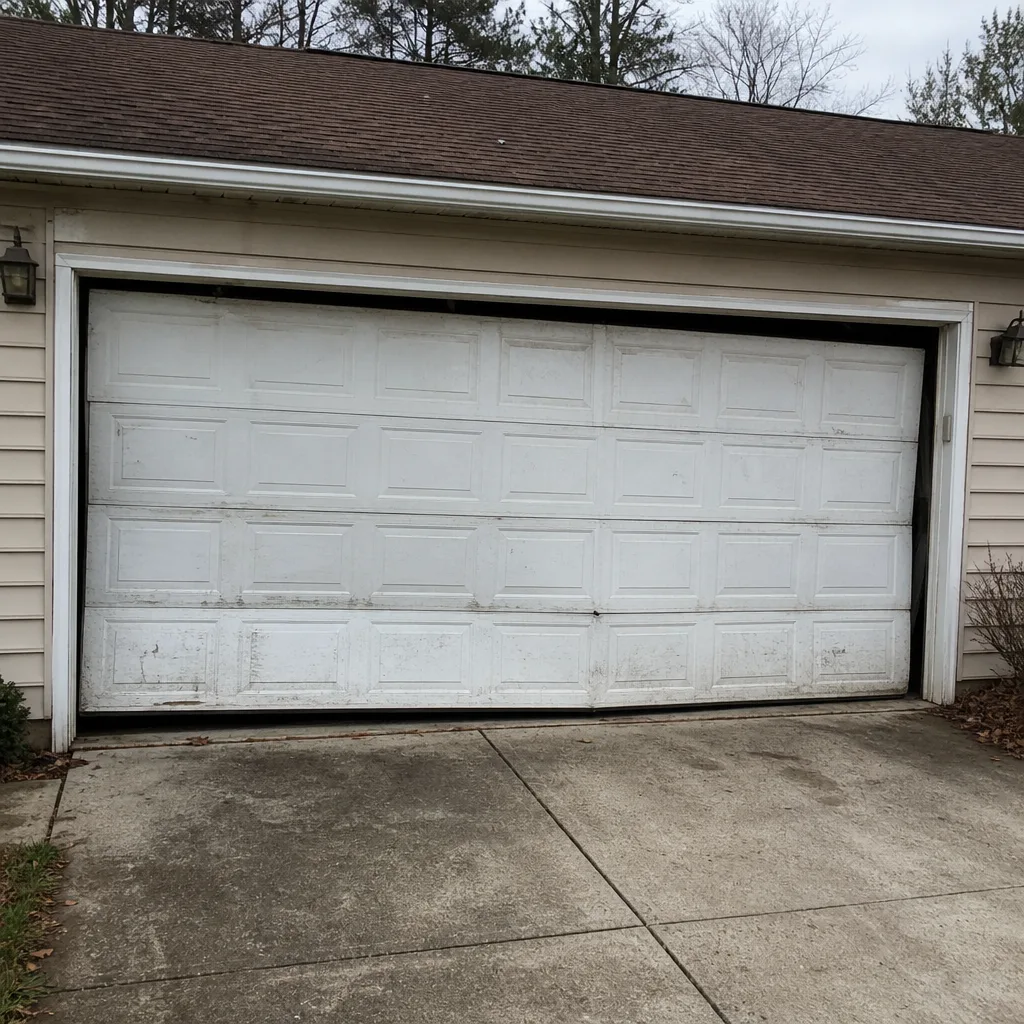 Before
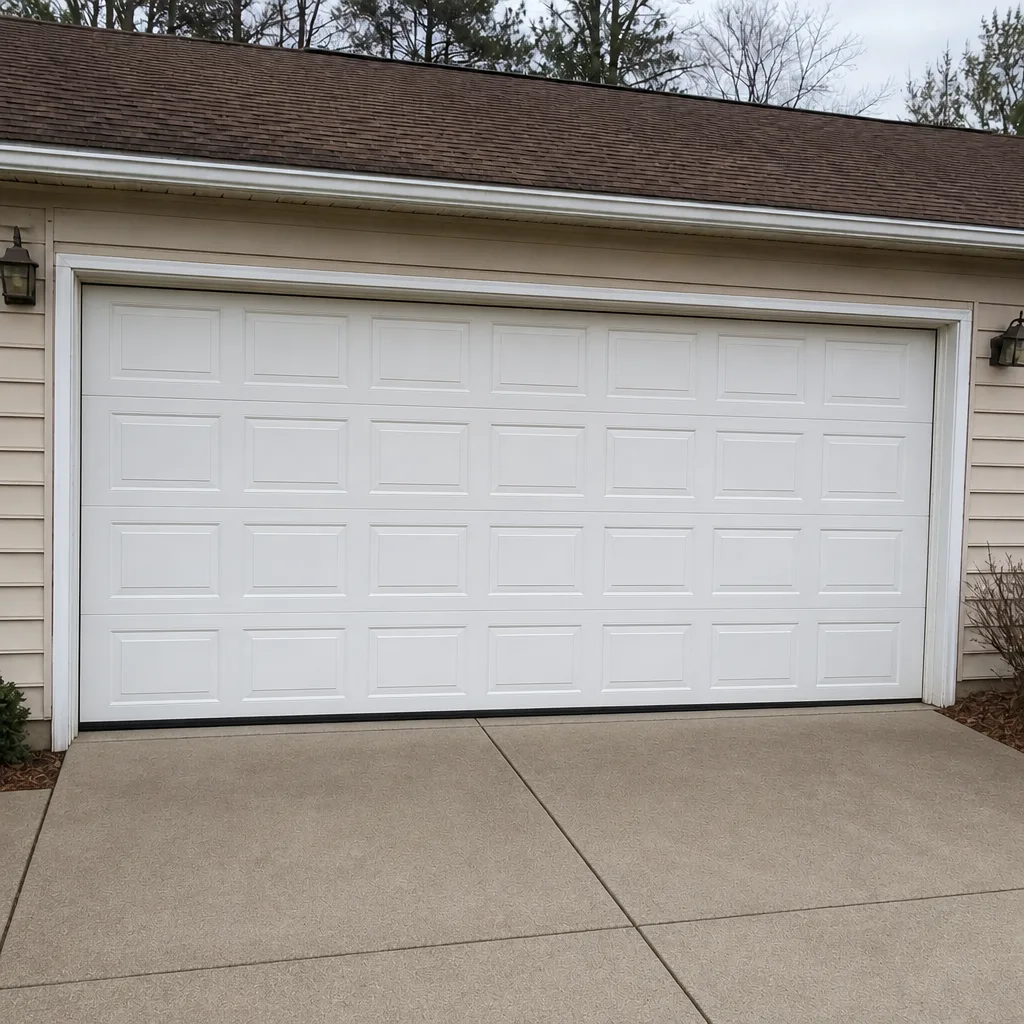 After
When to Call a Professional
A few scenarios put a Canton homeowner in professional territory. A door that’s come off its track, a snapped spring, or an opener that won’t reverse on contact are all jobs for a technician rather than a weekend project. A structural change to the opening, including header work or widening, needs a licensed contractor and a Baltimore City permit before work starts. And if a permit requirement is unclear on a job you’re planning, a conversation with someone who handles these installations regularly saves time. Canton Garage Door Repair Pros offers free estimates in Canton; call (877) 358-2572. We answer 24/7, and fast dispatch from 7am to 7pm, Sunday through Friday. For a same-size replacement, we can talk through whether the job needs a permit before it’s ordered.
Frequently Asked Questions
In most cases, no. A same-size replacement in the existing opening, with no structural change, typically doesn’t require a Baltimore City building permit. If the opening is being widened, the header is being replaced, or framing is being altered, a permit is required. Call (877) 358-2572 for an exact quote, and we’ll tell you whether the scope is likely to trigger a permit. Estimates are free.
A Baltimore City inspection on a permitted garage door job checks the framing, the header, the opening dimensions, the attachment of the door hardware, and the door’s safety features, including the auto-reverse and photo-eye on an opener-equipped door. The inspector is verifying structure and safety, not cosmetics. Have the permit and approved drawings on site, and confirm the door is fully operational before the inspection.
No. HOA approval and a Baltimore City permit are two separate processes, and neither substitutes for the other. The HOA reviews architectural style, color, and panel design; the city reviews structural and code compliance. Running both in parallel keeps a Canton project from stalling while one waits on the other.
Unpermitted structural work can complicate an insurance claim if the work is later involved in property damage or injury, and it can delay a home sale when a title search surfaces the missing permit. The remedy is usually to permit the work retroactively or have it inspected, which takes time and cost. A routine spring repair or opener replacement doesn’t create this problem. Call (877) 358-2572 to talk through the scope of what you’re planning. Estimates are free.
No. Any structural change to the garage door opening, including a new header, a new lintel, widened framing, or cutting into a load-bearing wall, requires a Baltimore City permit. The cost of the door is irrelevant to the permit requirement. Call (877) 358-2572 for a free estimate on the door installation, and we can clarify which part of the job is door work and which part belongs to a licensed structural contractor.
No. Upgrading to a LiftMaster, Chamberlain, Genie, or another opener is equipment replacement, not a structural change, so it doesn’t trigger a permit. The opener’s safety features, including the auto-reverse and the photo-eye, still need to be working correctly. We handle garage door opener repair and can check the safety hardware as part of the visit. Call (877) 358-2572 for a free estimate.
The Bottom Line
Most garage door work in Canton skips the permit line. A same-size replacement, a spring repair, an opener swap, or a panel fix is maintenance, not structure. The exception is real and specific: widening the opening, replacing a header or lintel, reframing after damage, or cutting into a load-bearing wall all require a Baltimore City permit, regardless of the door’s price. HOA approval runs on a separate track, and unpermitted structural work can surface at claim time or resale. Confirming the scope before the door is ordered is the step that protects you. We’re happy to talk through where a Canton project sits. Call (877) 358-2572. We answer 24/7. Fast dispatch from 7am to 7pm, Sunday through Friday.
Written by the team at Canton Garage Door Repair Pros.