
Last updated November 21, 2026
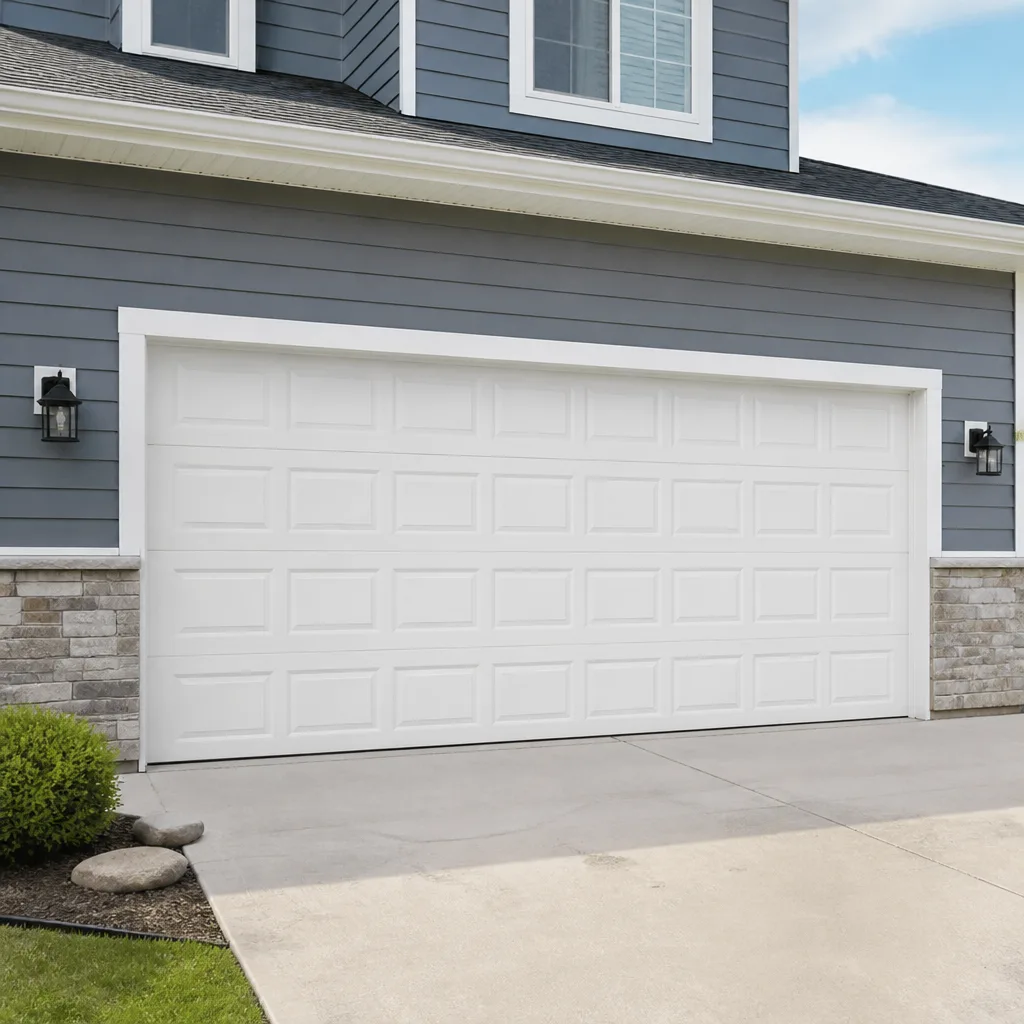 Raised-panel steel
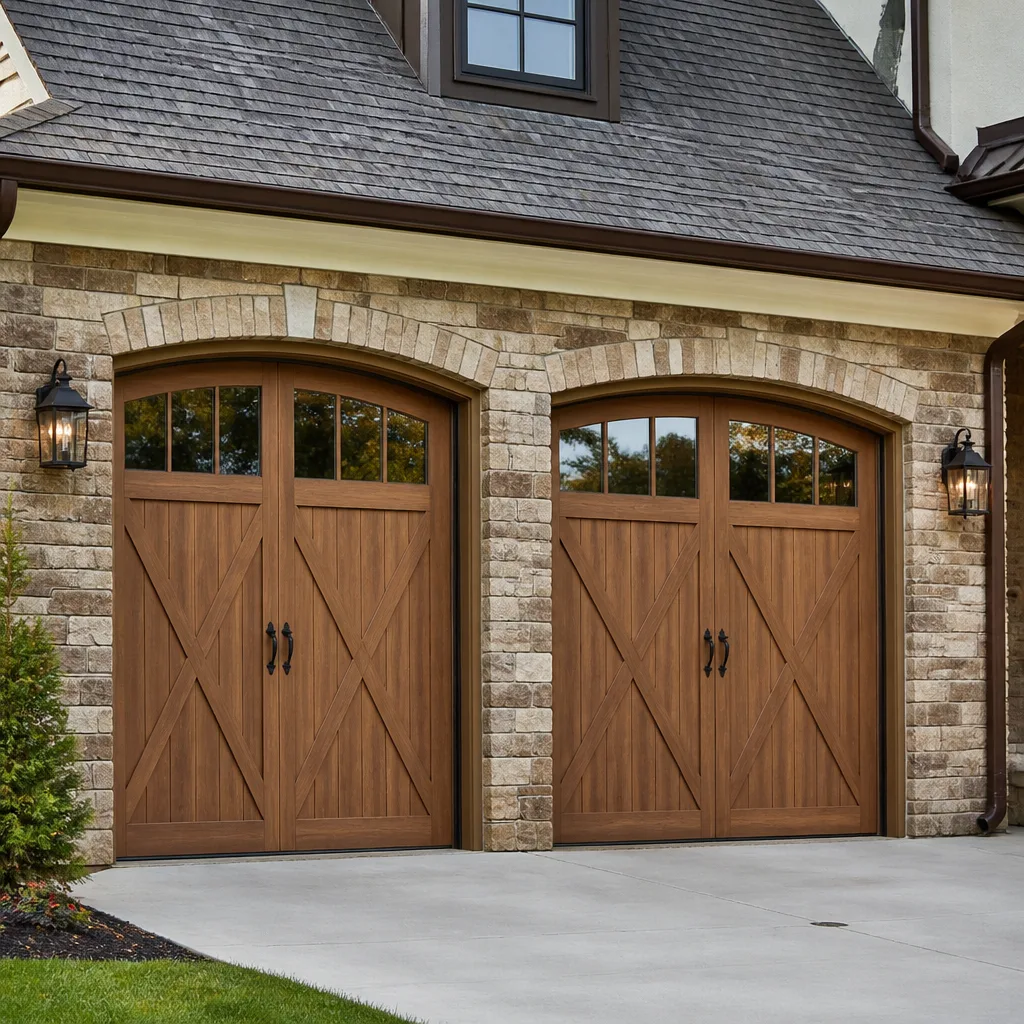 Carriage house
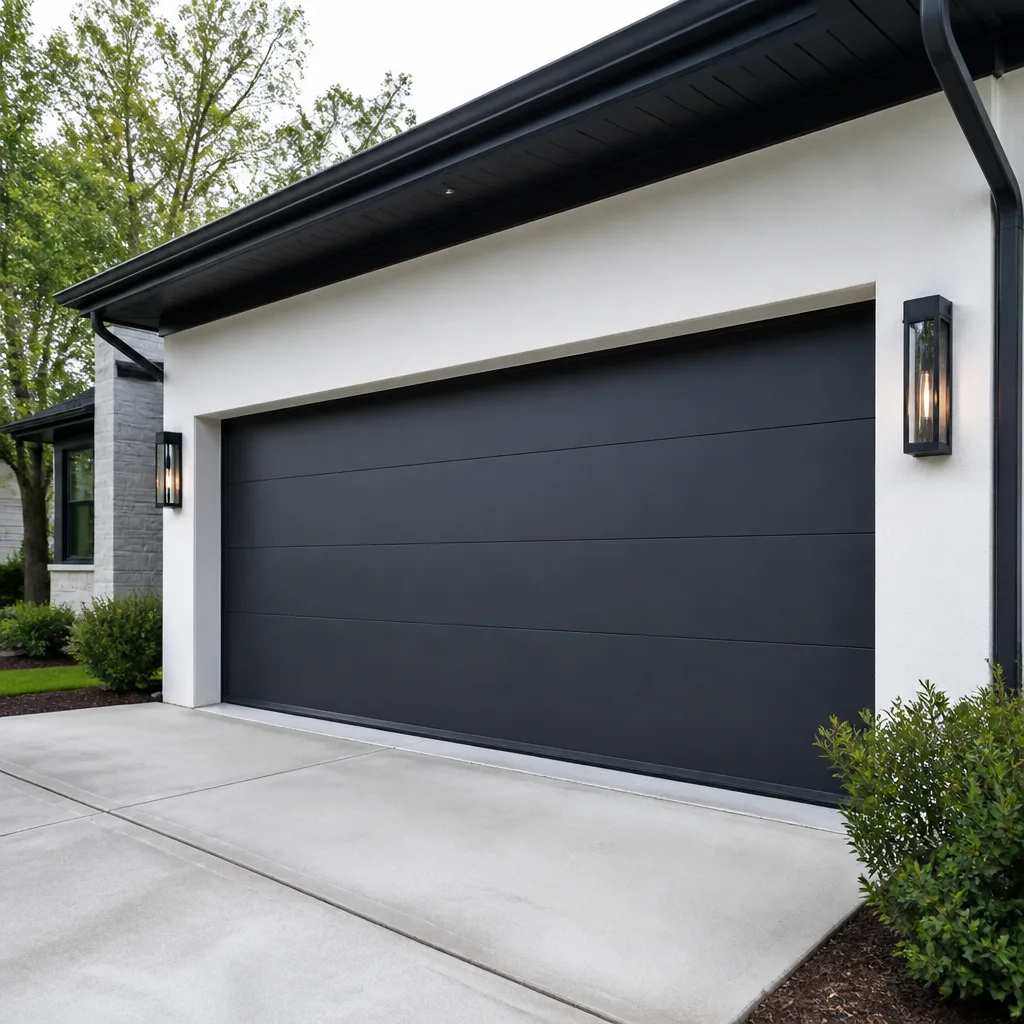 Modern flush
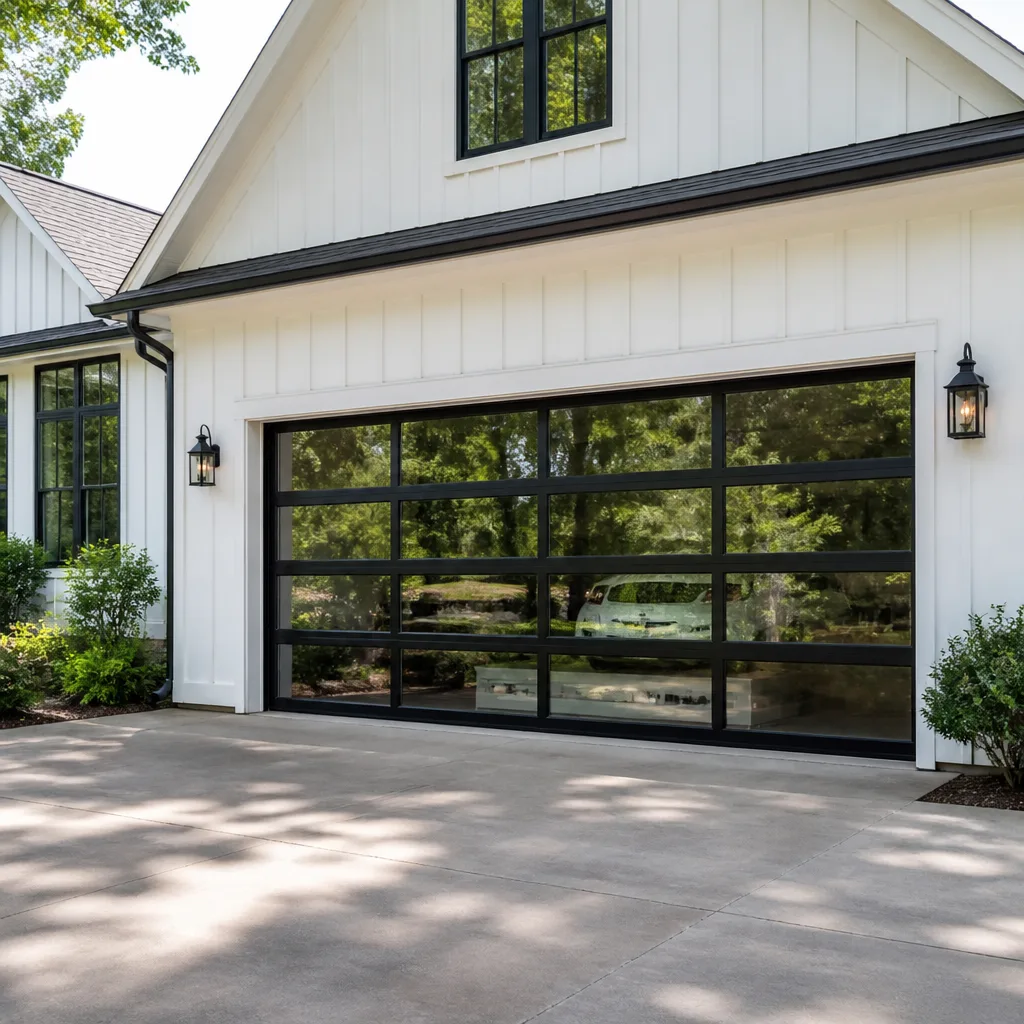 Full-view glass
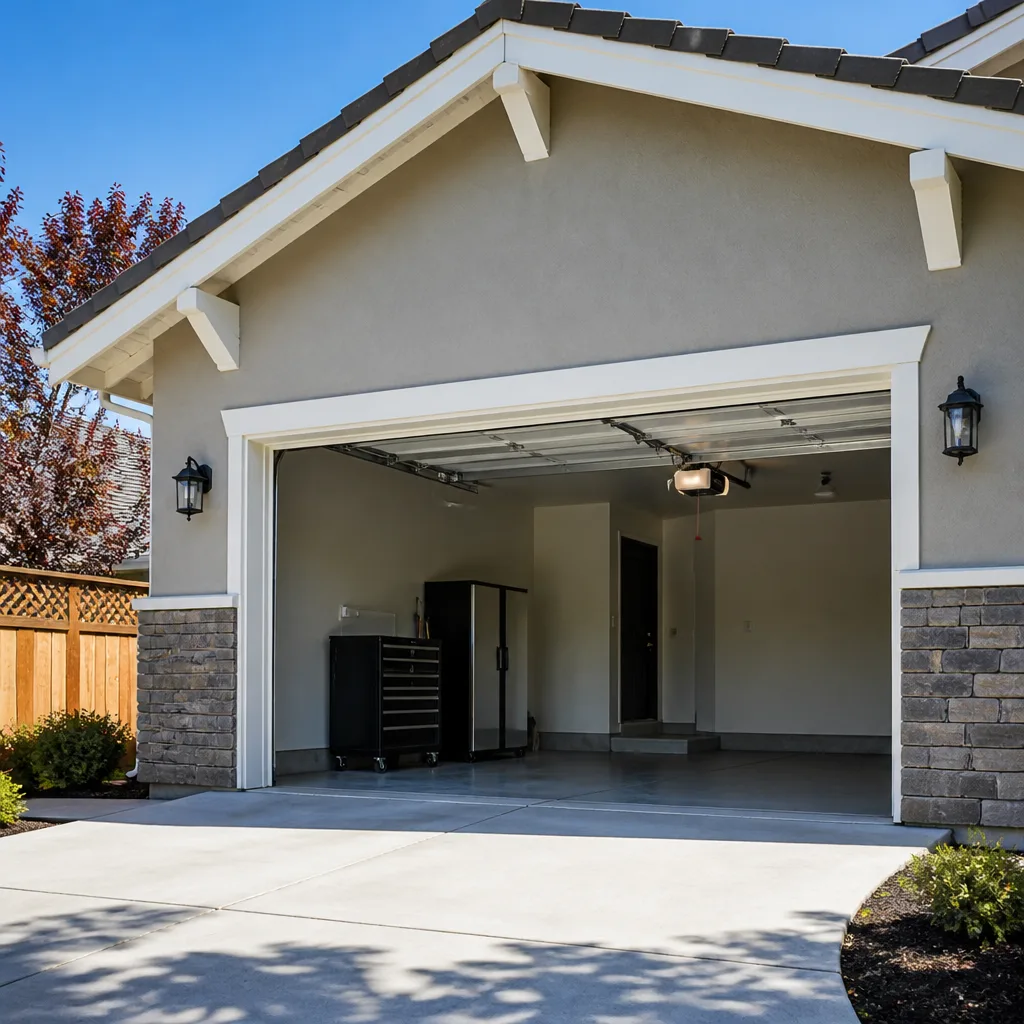 LiftMaster openers
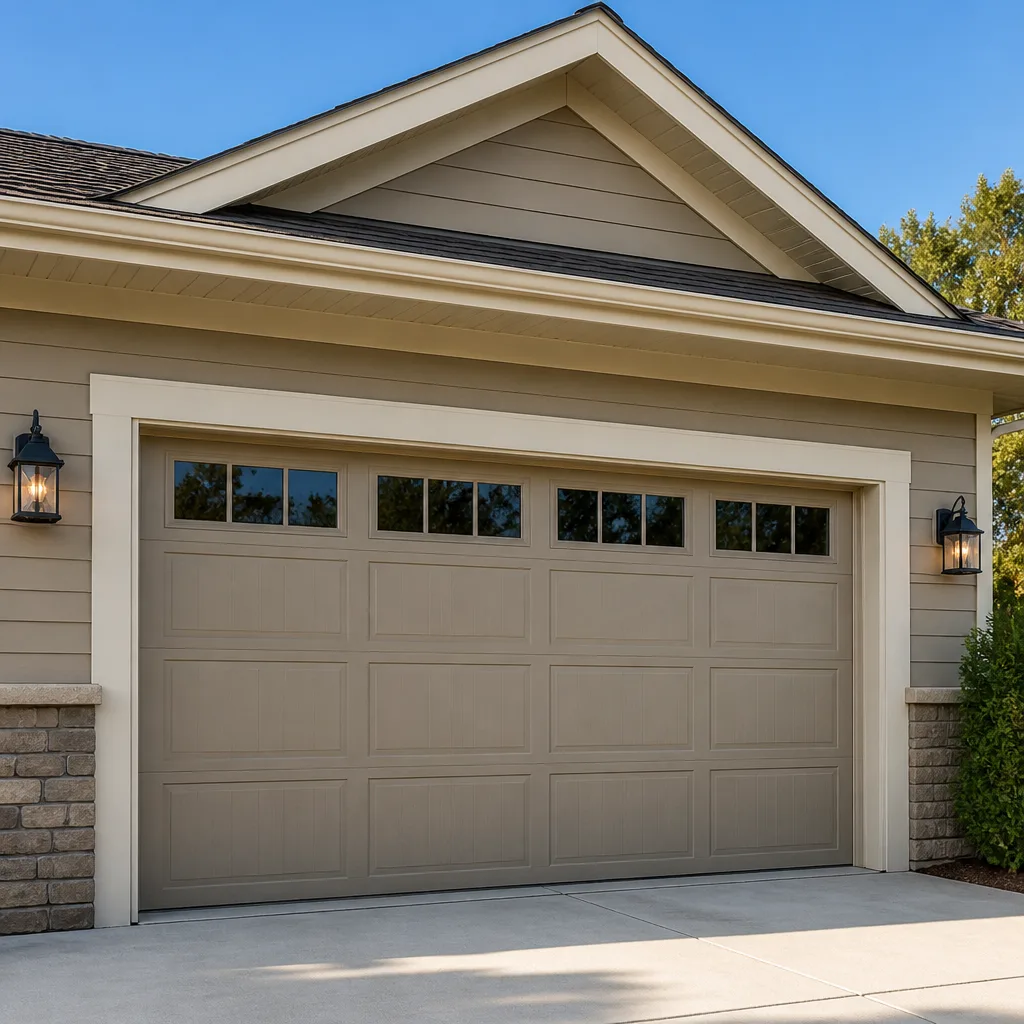 Chamberlain openers
Full 25-point door and opener safety check with every visit - springs, cables, rollers, tracks, and your LiftMaster or Chamberlain opener included
You get a price before we start. It does not change when the pro arrives.
Get your free estimateGarage Door Warning Signs: A Canton Homeowner’s Reference Guide
Almost every garage door failure gives you weeks of notice. The door shudders on the way up. A cable starts to look fuzzy. The opener grinds for half a second longer than it used to. None of that is random – each symptom points to a specific part that’s telling you it’s close to failing. The problem is that most advice tells you to listen for “unusual noises,” which is about as useful as telling you to watch for “something weird.” This guide maps symptoms to components. It shows you what a fraying cable looks like before it snaps, how to tell a tired opener from a mechanical bind, and which warnings mean stop using the door today versus watch it for a month. We work on Canton doors daily, and the pattern is always the same: the homeowners who catch stage two never see a stage four.
Quick Answer
The warning signs that matter most on a Canton garage door are a frayed or kinked cable, a door that reverses before it reaches the floor, uneven travel or a crooked panel, and grinding or popping from the opener. A frayed cable or a door off its track means stop using it now and call a professional; a reversing door or opener strain means diagnose it this week. Springs, cables and the door’s balance are the high-risk components – they’re also the ones worth a trained eye.
Styles & brands we work with
- Raised-panel steel
- Carriage house
- Modern flush
- Full-view glass
- LiftMaster openers
- Chamberlain openers
Table of Contents
- Symptom-to-Component Map: What Each Warning Sign Is Telling You
- Reading Your Cables: The Five Stages of a Failing Cable
- Opener Strain vs. Mechanical Resistance: The Manual Release Test
- Why Your Door Reverses Before It Hits the Floor
- Warning Signs by Brand: LiftMaster, Clopay and Wayne Dalton
- Stop-Use vs. Monitor vs. Schedule: The Triage Guide
- How Canton Weather Puts Specific Parts Under Stress
- What You Can Check Safely (and What You Shouldn’t Touch)
Symptom-to-Component Map: What Each Warning Sign Is Telling You
Vague categories like “noise” don’t help anyone. A garage door is a system of parts that each fail in a predictable way. When you can name the part a symptom points to, you can decide whether it’s a weekend project or a call to a technician. Here’s how we map the symptoms we hear about in Canton every week.
- Loud bang from the garage, door won’t lift: a torsion spring that has snapped. Stop use; the door is now dead weight.
- Door rises crooked or one side lags: a stretched or broken extension spring, or a failing cable on one side.
- Door reverses before hitting the floor: obstructed safety sensor, misaligned track, or a limit setting that has drifted. Yes, three things – we walk through them below.
- Grinding or humming from the opener with no movement: a stripped opener gear, a broken drive belt or chain, or a motor that has lost torque.
- Door drifts down after you open it: a spring that has lost tension. The door should hold its position when released halfway.
- Scraping, rubbing sound as the door travels: worn rollers, a bent track, or a hinge that has pulled loose.
- Door shakes or shudders on the way up: worn rollers or a track that is out of alignment.
- Cable looks fuzzy, kinked or has a hooked end: a cable in the final safe stage before a snap. Stop use.
This matters in Canton because the weather cycle here – humid summers, freezing winters, wet springs – works on cables, springs and hardware in a way that a stable climate doesn’t. If you spot a symptom that doesn’t fit cleanly on this list, that’s a diagnosis job rather than a guess job.
Reading Your Cables: The Five Stages of a Failing Cable
Cables are the part most homeowners never look at, and they’re the clearest early warning you’ll get. A garage door cable is a braided steel wire under the tension of the springs. It carries the door’s weight every time it moves. Fraying starts small and progresses on a predictable track, and the difference between stage two and stage four is the difference between a scheduled repair and an emergency.
- Stage one – surface wear. The cable looks intact but the sheathing is dull, and there’s minor rust speckling. Normal aging. No action yet, but note it.
- Stage two – visible fraying. Individual strands are starting to break from the braid. You can see the fuzz. This is the last safe point to call. The cable still holds the door, but it’s losing strength, and a scheduled repair avoids the sudden snap.
- Stage three – significant strand loss. The cable is visibly thinned or kinked. The door may drag or sit unevenly. Stop using it and call for repair.
- Stage four – a hooked or “birdcaged” end. The cable bundles up into a hook near the drum. The door is at serious risk of dropping. Stop use immediately.
- Stage five – snapped. The door may drop hard or hang crooked. This is an emergency. Don’t lift it, don’t try to open the door to get a car out, and don’t attempt a fix.
A cable that has reached stage four is dangerous because the door’s weight has nothing holding it. This is where “call a professional” isn’t caution – it’s the difference between an inconvenience and an injury. Our technicians have up to 8 years of experience reading cables at every stage, and they can usually tell you exactly which stage yours is in within a minute of looking at it.
Opener Strain vs. Mechanical Resistance: The Manual Release Test
Openers get blamed for a lot of problems they didn’t cause. If your door struggles to open, the question isn’t “is the opener underpowered?” It’s “is the opener fighting the door?” The manual release test tells you which side of the line you’re on, and it’s the single most useful test a homeowner can run themselves.
- Pull the manual release cord hanging from the opener carriage. This disconnects the opener from the door.
- Lift the door halfway by hand. Carefully. If it’s heavy or you feel resistance you can’t control, stop and call a professional.
- Release it at the halfway point. A properly balanced door will hold its position. If it drops, the springs have lost tension or failed – that’s a spring problem, not an opener problem.
- Open and close it fully by hand. If it glides without binding, the door and track are fine. If it scrapes, rubs or binds at a certain point, your track, rollers or hinges are the problem, not the opener.
If the door moves freely by hand, the opener is straining for its own reasons: a worn gear, a loose chain or belt, a motor going bad. If it binds by hand, the opener is trying to muscle through resistance and will eventually lose. This test is worth running before you call anyone, because it turns “it’s broken” into “the springs need attention” or “the opener needs a gear.” That’s a different repair and a different cost. If your garage door opener repair conversation starts with that test, you’re already ahead.
Why Your Door Reverses Before It Hits the Floor
A door that goes down, touches the floor, and goes straight back up is not automatically a sensor problem – even though that’s the first thing most homeowners hear. In Canton we see this symptom trace back to three different causes, and the fix ranges from a free adjustment to a several-hundred-dollar repair depending on which one it is.
- Cause 1: A misaligned or obstructed safety sensor. The photo-eye sensors near the floor need to see each other cleanly. If one is knocked out of alignment, dusty, or blocked by a leaf, the door reverses as a safety response. The fix is usually free – wipe the lenses, realign them, clear the obstruction. This is the first thing to check.
- Cause 2: A limit switch that has drifted. The opener’s travel limits tell it where the door should stop. Over time, or after a temperature swing, they drift. The door reverses because the opener thinks it’s hit an obstacle when it hasn’t. A limit adjustment is a technician task, and moderate in cost.
- Cause 3: A mechanical bind near the floor. A bent track, a worn roller or a hinge catching near the bottom of travel creates resistance the opener reads as an obstruction. This is the most expensive of the three because the fix is mechanical, not electronic.
Notice the difference: one is free, one is a calibration, one is a repair. This is exactly why “it reverses, must be the sensor” is bad advice. Check the sensors first. If you’ve cleaned and aligned them and the door still reverses, stop chasing it and get a diagnostic, because you’re likely in cause two or three. We’ve seen the same pattern in Canton with LiftMaster and Chamberlain openers, which share safety-reverse architecture, as well as older Genie units with their own sensor layouts. A reversing door is the moment to garage door repair, not the moment to replace the whole system.
Warning Signs by Brand: LiftMaster, Clopay and Wayne Dalton
Different systems fail in different ways. Knowing your brand helps you predict the failure mode before it happens. We service LiftMaster, Chamberlain, Genie, Clopay, Amarr, Wayne Dalton, Craftsman and Raynor, and each has quirks worth knowing if your garage door is one of them.
LiftMaster and Chamberlain (opener side)
- Grinding gear noise: the gear and sprocket assembly wears first. If the opener grinds and won’t lift, this is the usual culprit on LiftMaster and Chamberlain units.
- Smart-openers that stop responding to the app: usually not a mechanical failure. Wi-Fi boards and safety-reverse logic can drift, and a reset clears it more often than a replacement does.
- Blinking LED error codes: these units will blink a code instead of failing silently. Count the blinks and note them before you call – that code shortens the diagnostic.
Clopay (door side)
- Panel dents and rust on the bottom panel: the bottom section takes the weather. Look for bubbling paint or a rust line along the bottom edge.
- Hinge and roller mounting points loosening: on heavily used Clopay doors, the fasteners can back out and the door starts to rattle. That rattle is a warning sign, not just noise.
- Panel bowing: a bowed section in a Clopay door distorts the travel path and puts more load on cables and rollers.
Wayne Dalton (door side)
- TorqueMaster spring systems: Wayne Dalton uses a torsion spring inside a tube. When the spring goes, it sometimes gives less audible warning than a conventional torsion spring, and sometimes it fails with a loud bang. If a Wayne Dalton door stops lifting evenly, spring check is the first call.
- Panel separation on multi-section doors: watch for gaps forming between sections, which is a hinge or track problem.
- Door tracking issues on older units: roller wear shows up as a scraping sound.
Knowing the brand matters because it tells the technician what to look at first. If your door is a garage door installation candidate because a system is at end of life, brand knowledge matters even more – the right system for your opening is a different answer than the cheapest box on the shelf.
Stop-Use vs. Monitor vs. Schedule: The Triage Guide
Not every warning sign is a “stop what you’re doing” sign. Some are. Sorting them correctly is what prevents both panicked emergency calls and quiet damage that turns into a bigger bill. Here’s how we sort them for homeowners.
Stop using the door immediately
- A visible cable in stage three, four or five (frayed, hooked or snapped)
- Door hanging crooked or off its track
- A loud bang followed by the door not lifting
- Door that drops when lifted halfway by hand
- Spring visibly broken or a gap in the torsion bar
Monitor for 30 days, then reassess
- A single rattle or shake on the way up that comes and goes
- A squeak from a roller that isn’t accompanied by binding
- A door that occasionally reverses and passes the sensor check on retest
- Surface rust or dull sheathing on a cable that hasn’t frayed
Schedule at next convenience
- Slight unevenness in travel with no odd noises
- Rollers that look worn but the door moves smoothly by hand
- A remote that needs fresh batteries more often than expected
- An opener that runs slightly slower than it used to but doesn’t grind
Our rule of thumb: if the door’s balance or its cables are in question, stop. Balance and cables are load-bearing. If it’s an opener or a roller, it’s usually safe to observe. One important note: a stopped-open door is not “safe to leave” just because it’s up. A broken spring with the door open is a door waiting to come down.
How Canton Weather Puts Specific Parts Under Stress
Canton’s climate asks a lot of a garage door. You get humid summers that work on steel, freezing winters that tighten and stress springs, and wet springs that put moisture on tracks and hinges. Each season stresses a specific part, and knowing which one lets you inspect for the right thing at the right time.
- Summer humidity: rust and corrosion on cables, hinges and springs. Check cable sheathing and hinge mounting points, and look for rust on the spring coils.
- Winter freezes: spring tension changes with cold, and a spring already near its limit can fail in a cold snap. This is the classic “the door worked fine all fall” failure. Check for a bang followed by no lift.
- Spring thaw and rain: moisture in the tracks, swollen or warped bottom panels, and frozen-then-freed rollers that get knocked out of alignment.
- Fall leaf drop: leaves and debris in the safety sensor beams, which trigger reversing doors. Clean the sensor lenses before assuming a mechanical problem.
The takeaway for Canton homeowners: inspect cables and springs before the first hard freeze, and clear sensors after heavy weather. Those two habits prevent most of the emergency calls we see. For a garage door system in Canton, an annual visual check in the fall and spring catches the vast majority of warnings while they’re in the “schedule at next convenience” column.
What You Can Check Safely (and What You Shouldn’t Touch)
Some inspection is safe and useful. Some parts are genuinely dangerous, and it’s worth naming the difference clearly. You can look at every part of your garage door. You should only physically work on a small set of them.
Safe to check yourself
- Visual inspection of cables, springs, tracks, rollers and hinges
- Sensor alignment and lens cleaning
- Manual release test (with care)
- Remote and wall-control function
- Weatherseal condition along the bottom and edges
Do not touch
- Torsion springs and extension springs. Springs store enormous energy. A torsion spring under load can cause serious injury if handled incorrectly. This is the highest-risk job on a garage door, and it’s the one to leave to a trained technician.
- Cables under tension. Never try to remove, adjust or re-route a cable. If a cable looks frayed, stop using the door and call.
- Track realignment if the door is off-track. A door off its track is a door that can fall. Stop and call.
- Any work on a door that’s already hanging crooked. The door is not stable until a professional secures it.
If you’re unsure which category a warning falls into, that’s a sign to call. It’s a better conversation than a guess. Spring repair, done safely, is exactly the work we specialize in, and we’d rather diagnose a safe part than hear about a DIY injury.
Common Mistakes to Avoid
- Assuming every reversing door is a sensor problem. It might be a drifted limit or a mechanical bind near the floor. Check sensors first, but don’t stop there, or you’ll chase the wrong part for weeks.
- Ignoring a stage-two cable because the door still works. Stage two is the last safe point to call. Waiting for a snap is how a scheduled repair becomes an emergency call.
- Spraying lubricant on a track to quiet a scrape. Grease on a track attracts grit and hides the real cause, which is usually a worn roller or a bent section. Fix the cause, don’t quiet the symptom.
- Replacing the opener when the door is the problem. If the door binds by hand, a new opener will strain exactly as much as the old one. The manual release test tells you which side to fix.
- Treating a crooked door as cosmetic. A door that hangs unevenly is putting one side’s cables and springs under load. That’s a balance problem, and balance problems get worse.
- Leaving a broken door open, or trying to force a stuck door with a car. Both put the door at risk of coming down. Don’t drive through a door that isn’t moving freely.
- Mistaking quiet for healthy. A Wayne Dalton TorqueMaster spring or an aging torsion spring can fail with little audible warning. If your door suddenly feels heavier or won’t hold halfway, stop using it even if it’s quiet.
See the difference
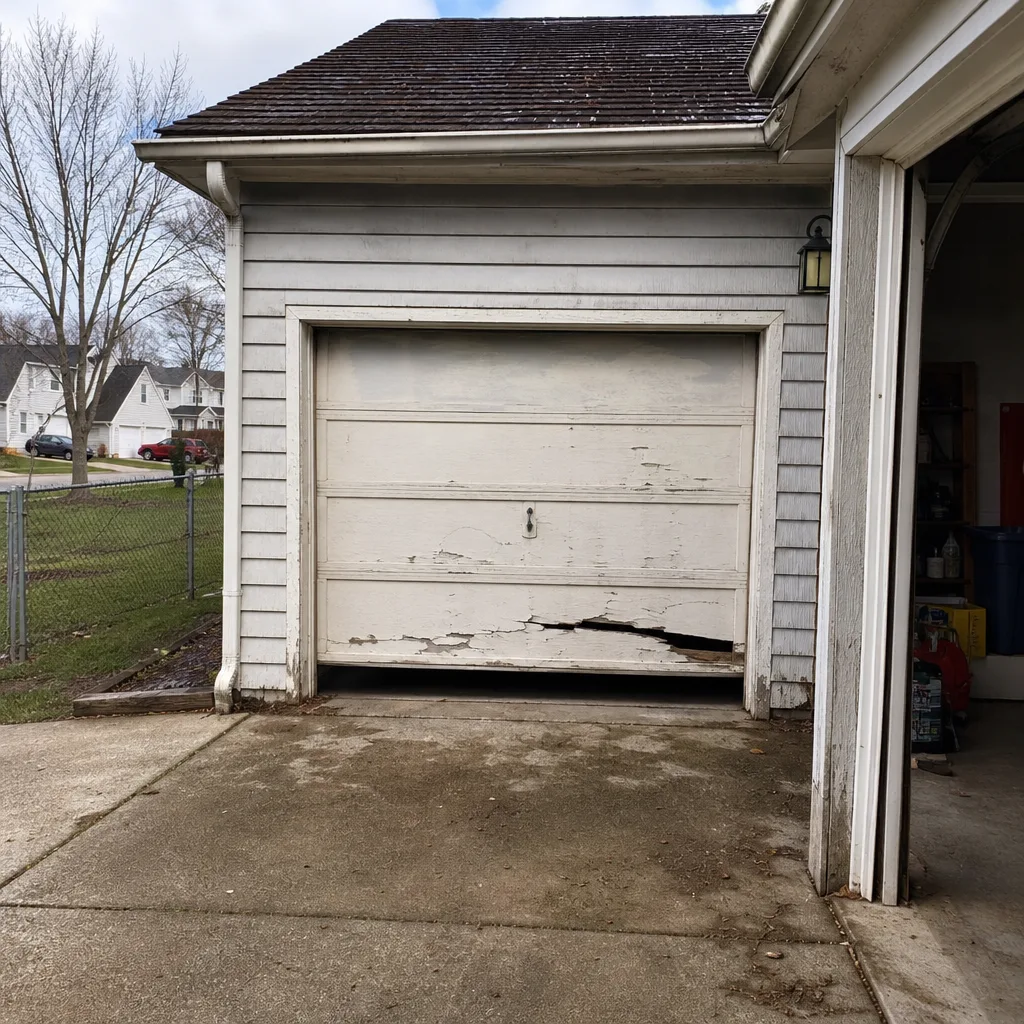 Before
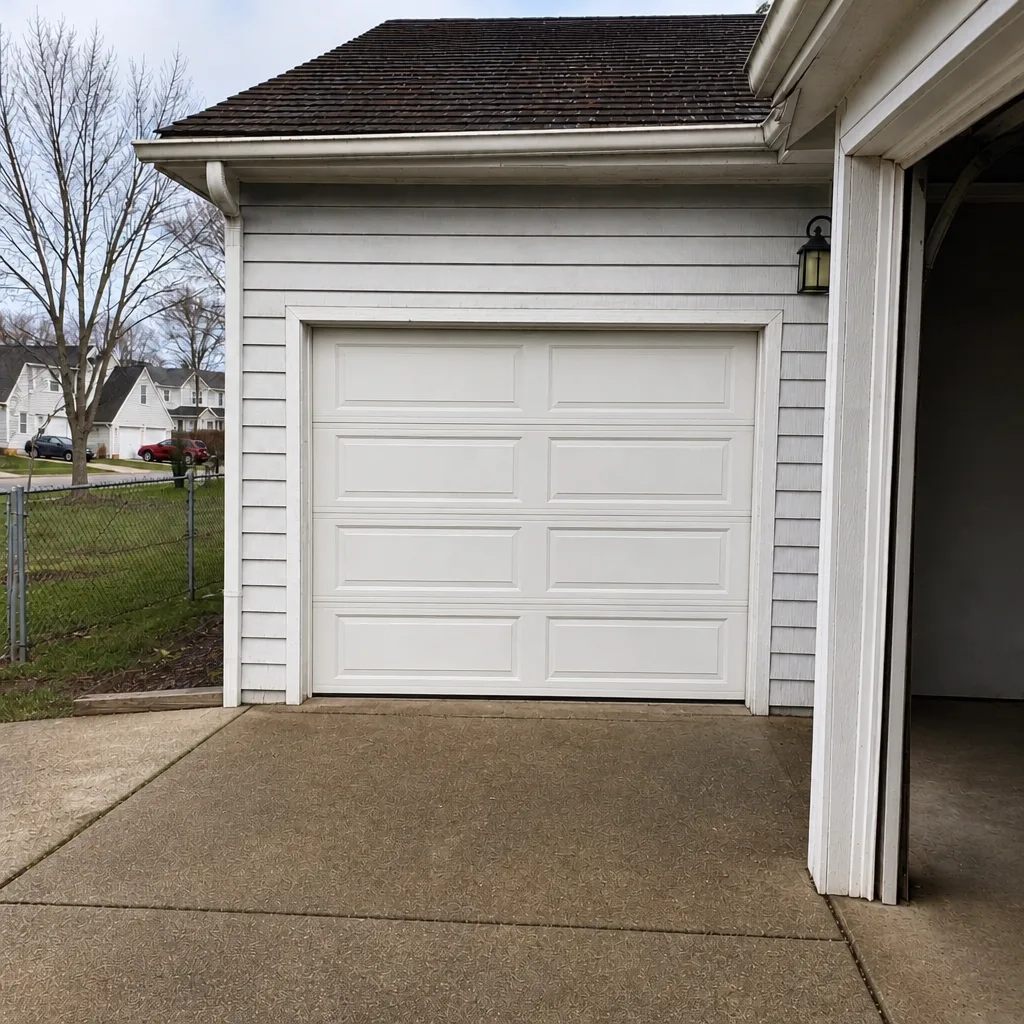 After
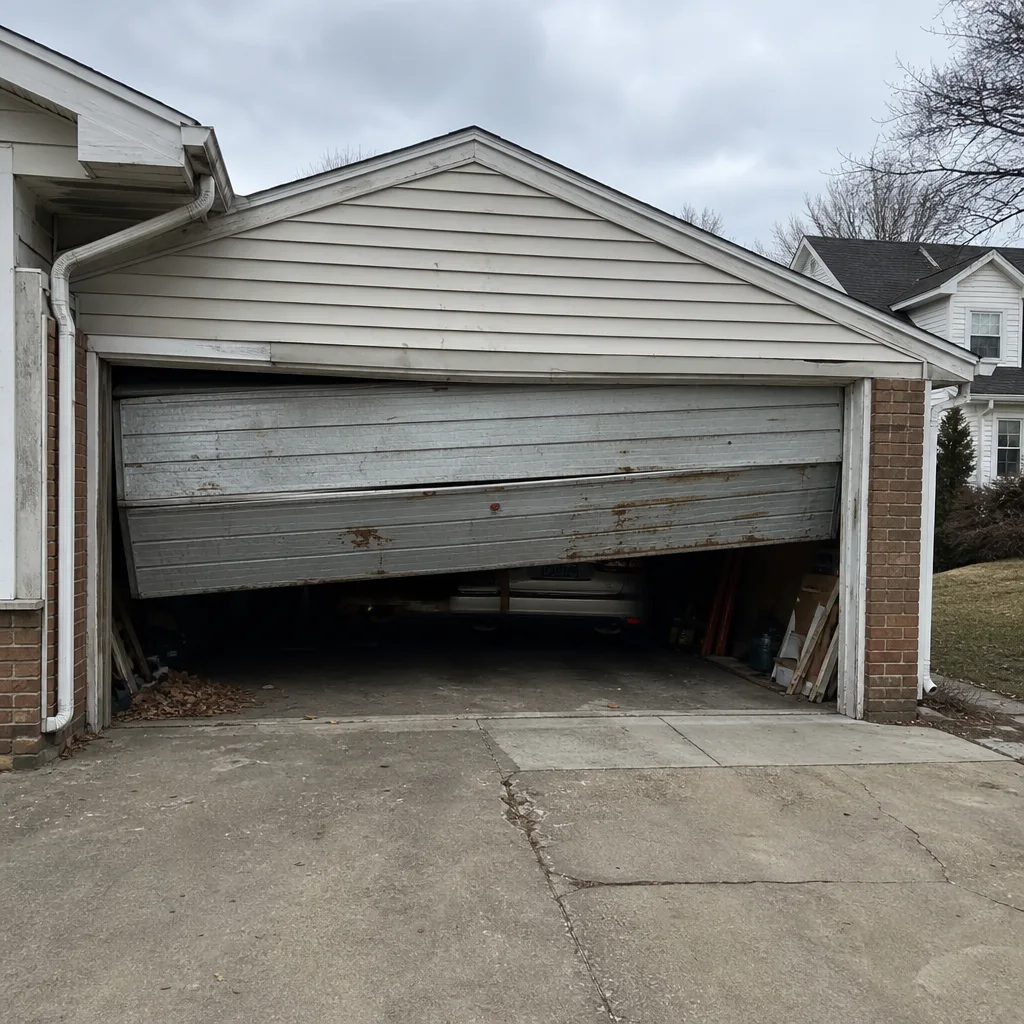 Before
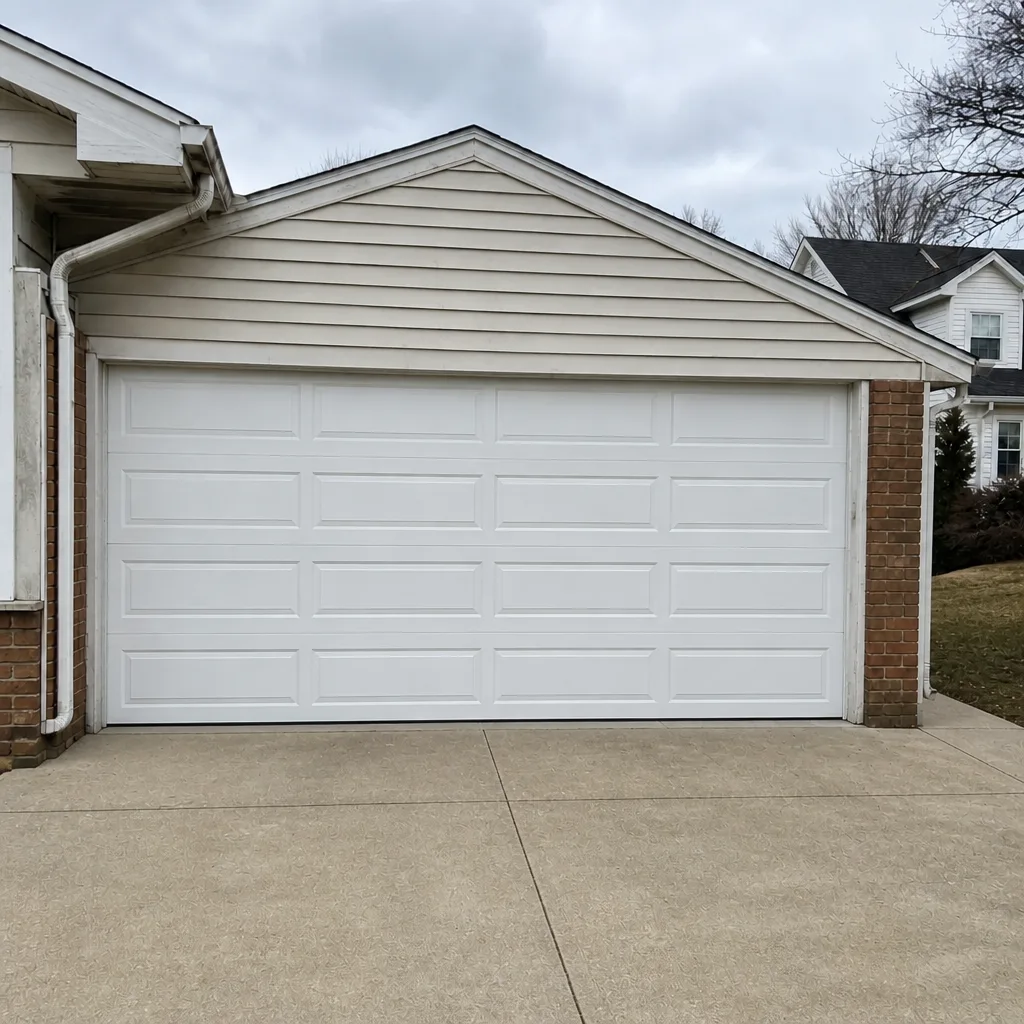 After
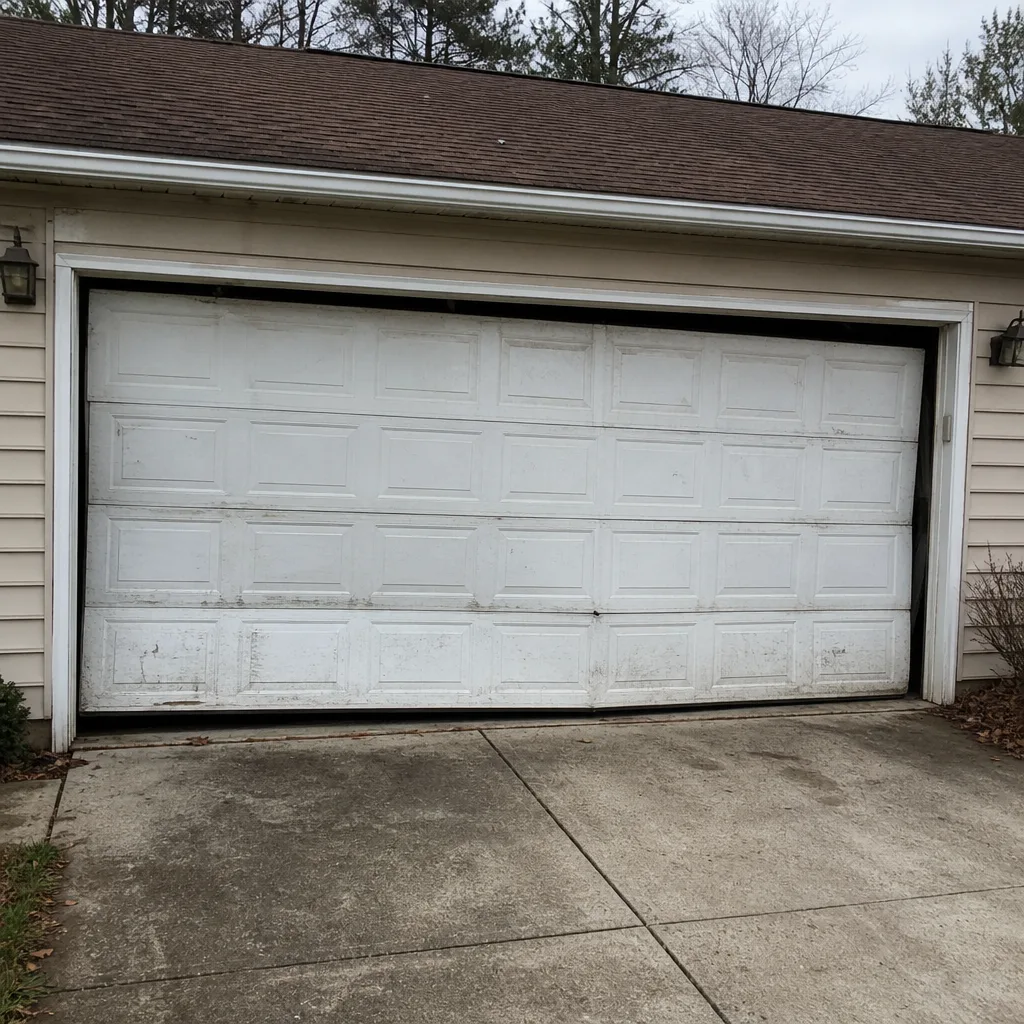 Before
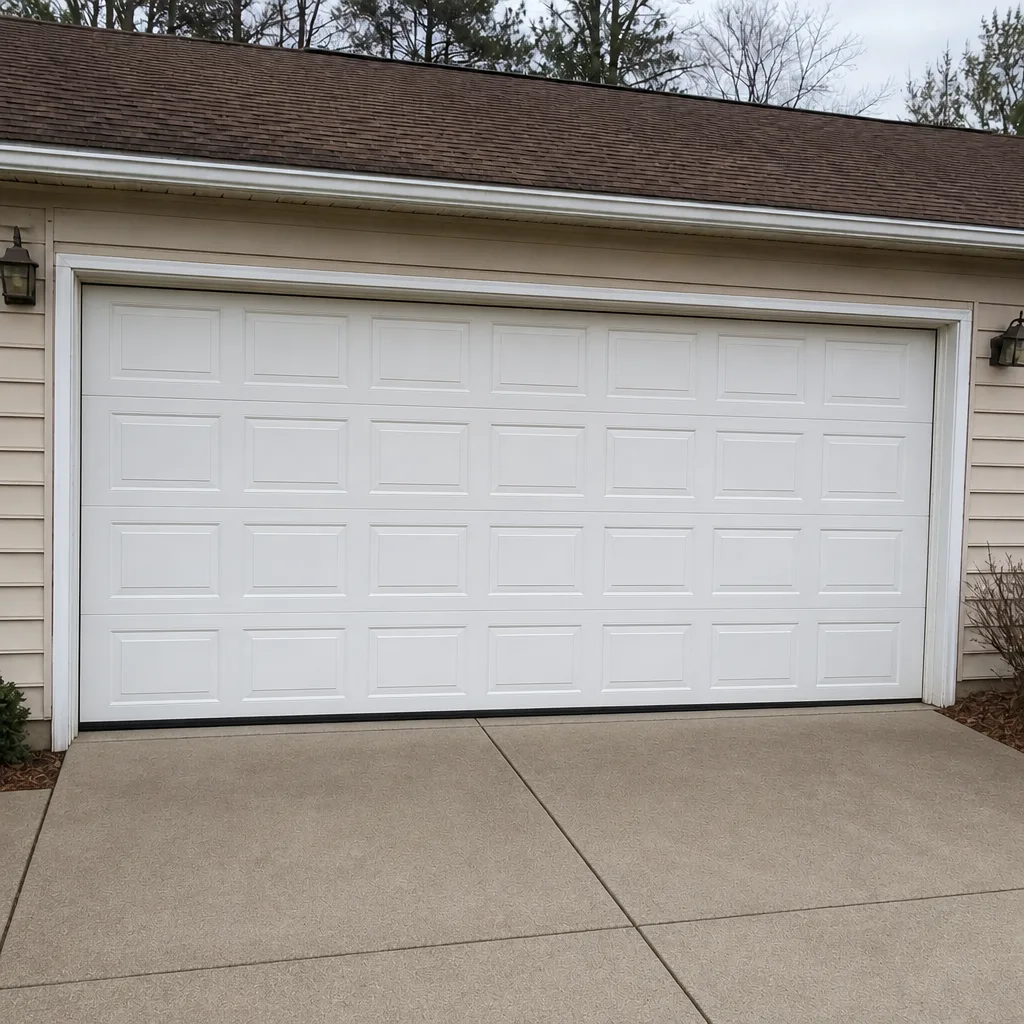 After
When to Call a Professional
Call a professional the moment a warning sign touches balance or tension – a door that won’t hold halfway, a frayed cable in stage two or later, a spring that has visibly failed, or a door off its track. Call same-day for a stopped door that’s blocking a car or leaving the garage exposed, and speak to a technician today if your door reverses and you’ve already cleaned and aligned the sensors. Canton Garage Door Repair Pros offers free estimates in Canton – call (877) 358-2572. We answer 24/7, and fast dispatch runs 7am to 7pm, Sunday through Friday. If you’ve reached stage two on a cable or you just want a straight answer on a symptom you don’t recognize, we’d rather look at it early than see it after a failure.
Frequently Asked Questions
A cable in stage two. The door still works, so it’s easy to ignore, but visible fraying means the cable is losing strength. It’s the last safe point to schedule a repair before a snap. Call (877) 358-2572 for a free estimate if you see fraying.
No. It’s the sensor most often, but three causes are common: an obstructed or misaligned sensor, a drifted limit setting, or a mechanical bind near the floor. Clean the sensor lenses first; if it still reverses, a technician should diagnose it. Call (877) 358-2572 – estimates are free.
No. Cables are under spring tension and carrying the door’s weight. A DIY attempt on a loaded cable is genuinely dangerous. Stop using the door and call a trained technician. We handle cable and spring repair safely – call (877) 358-2572.
A broken spring means the door is dead weight and won’t lift by hand; a strained opener means the door moves by hand but the motor struggles. The manual release test separates the two. Either way, call (877) 358-2572 and we’ll diagnose it.
Twice a year – a visual check in the fall before the first freeze and again in spring after the wet season. That catches most cable, spring and sensor warnings while they’re still minor. If you’d rather not inspect it yourself, call (877) 358-2572 and we’ll take a look.
When the door is off its track, a spring has failed, a cable is in stage three or later, or the door has dropped unexpectedly. Stop using the door and call us. We answer 24/7, and a call outside dispatch hours is booked into the next opening, Sunday through Friday, 7am to 7pm.
The Bottom Line
A garage door is honest. It fails on a predictable schedule, and the symptoms you see weeks before a breakdown map to specific parts. Read your cables, run the manual release test, and take a reversing door seriously rather than defaulting to “it’s the sensor.” Triage the signs into stop-use, monitor and schedule, and you’ll avoid most emergency calls. When you’re unsure or a cable or spring is in question, call Canton Garage Door Repair Pros at (877) 358-2572 for a free estimate – we work on every major system in Canton, and the repair is quoted and agreed before any work begins.
Written by the team at Canton Garage Door Repair Pros.