
Last updated November 21, 2026
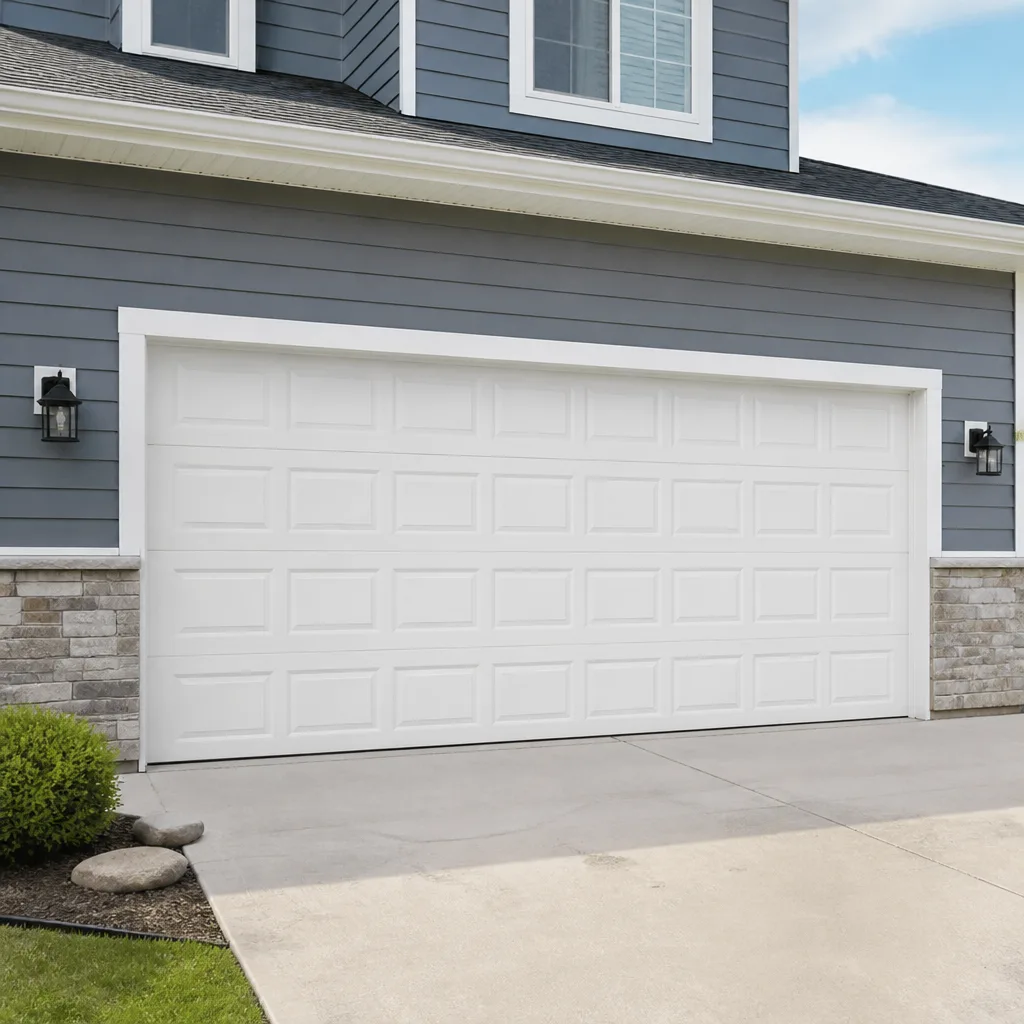 Raised-panel steel
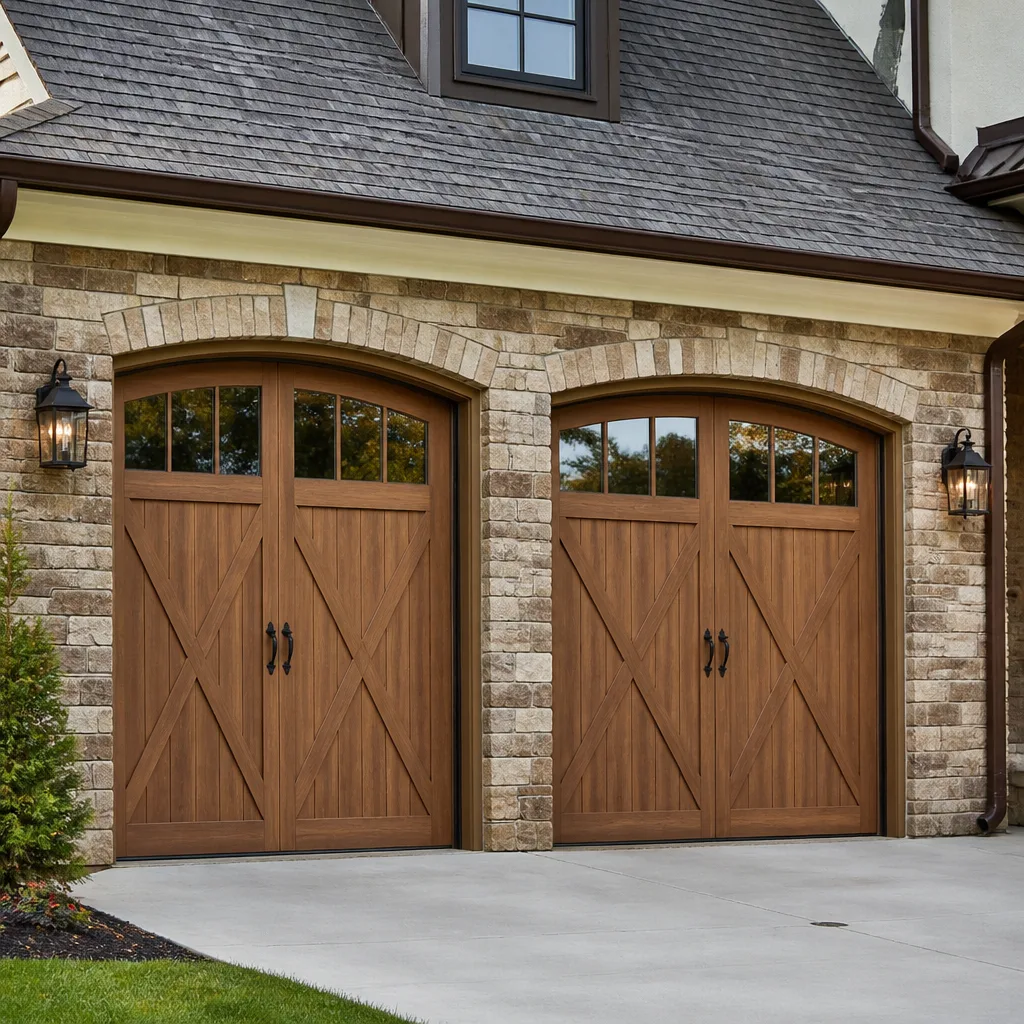 Carriage house
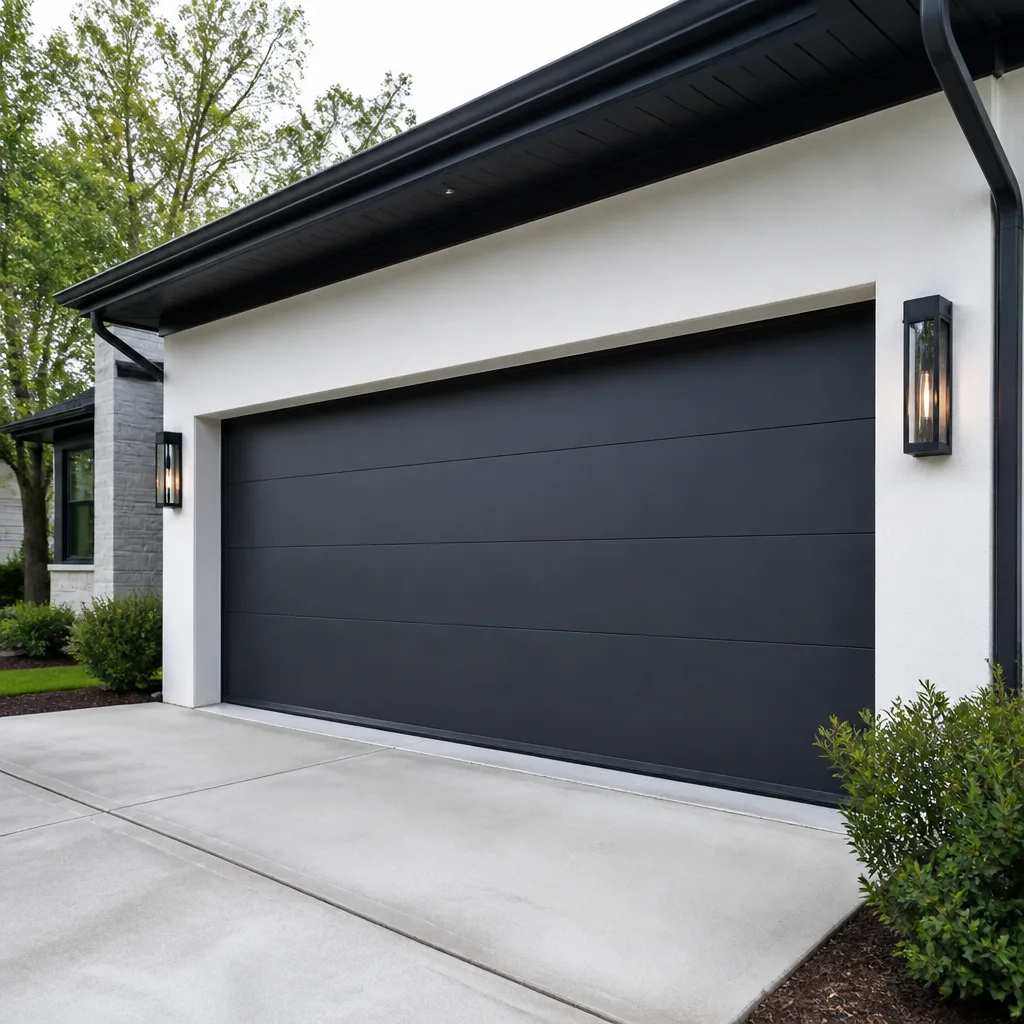 Modern flush
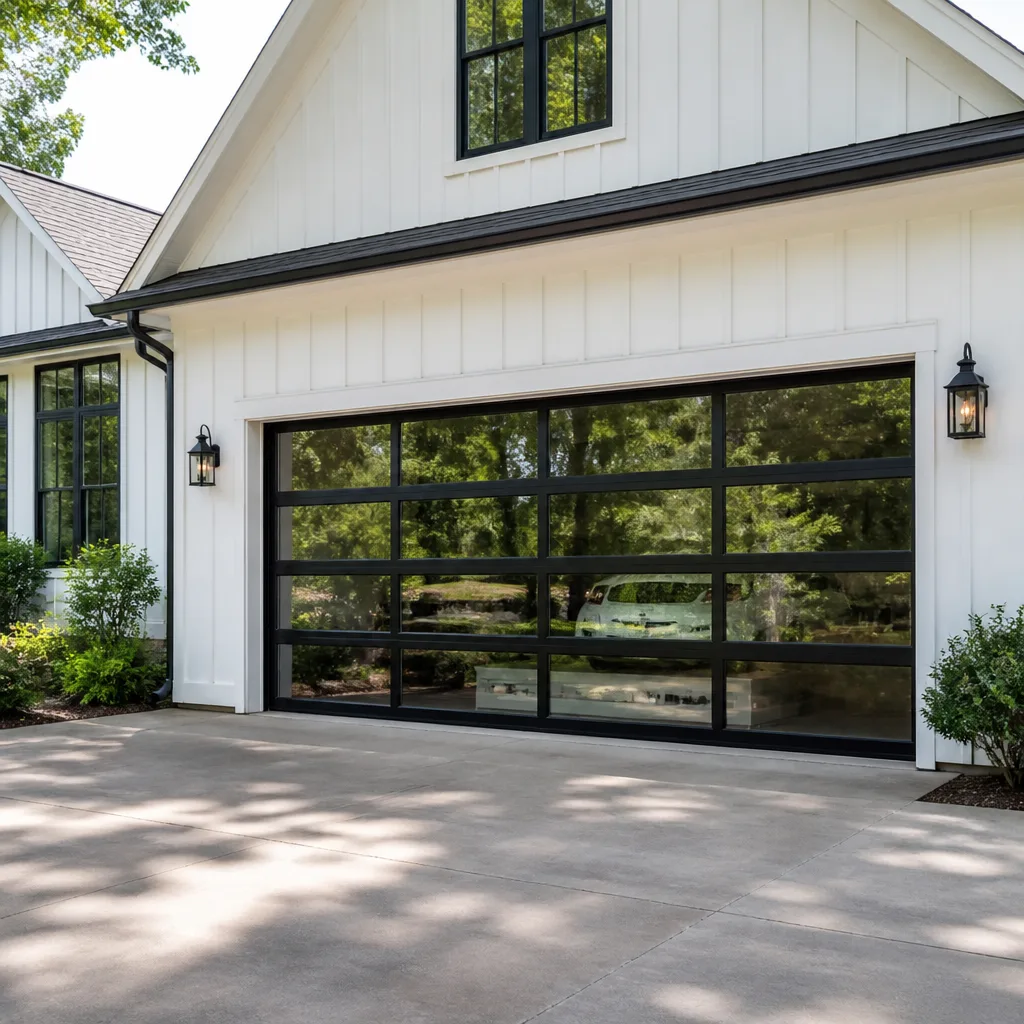 Full-view glass
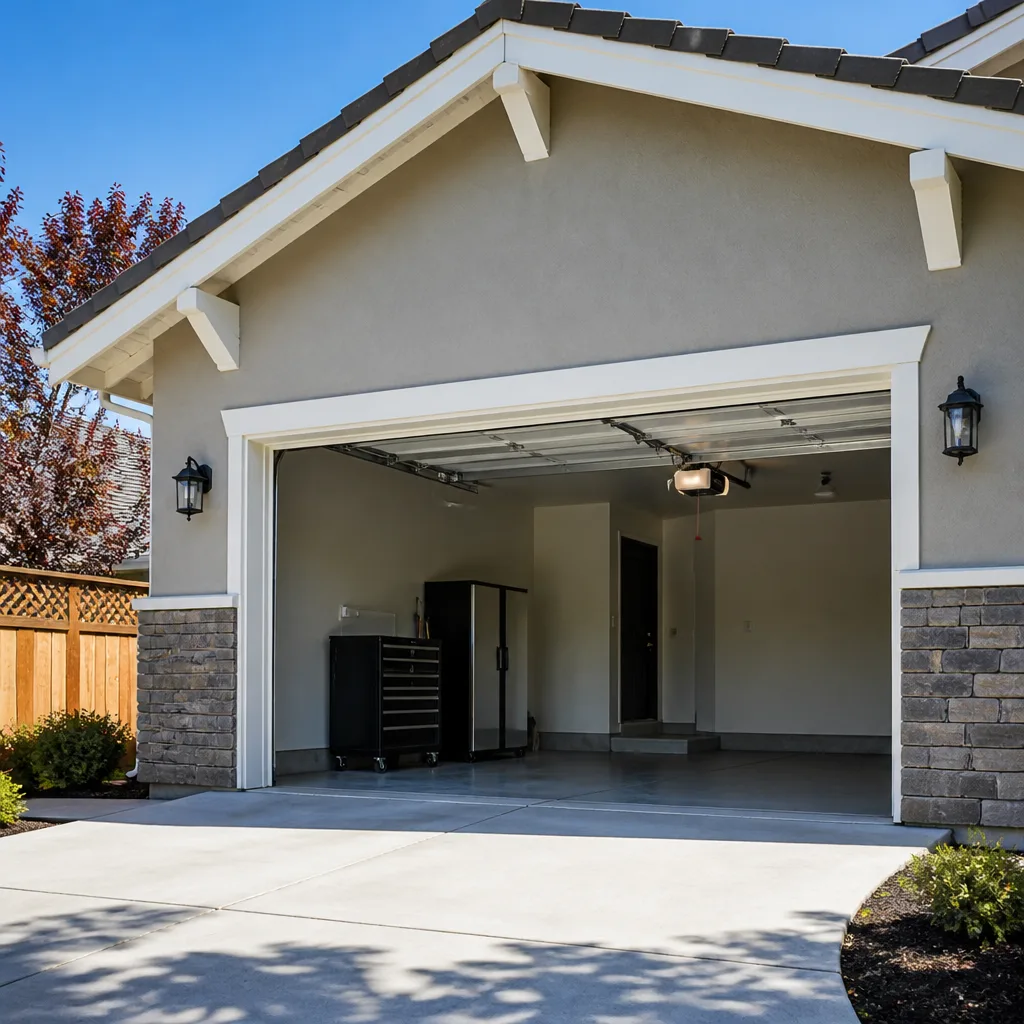 LiftMaster openers
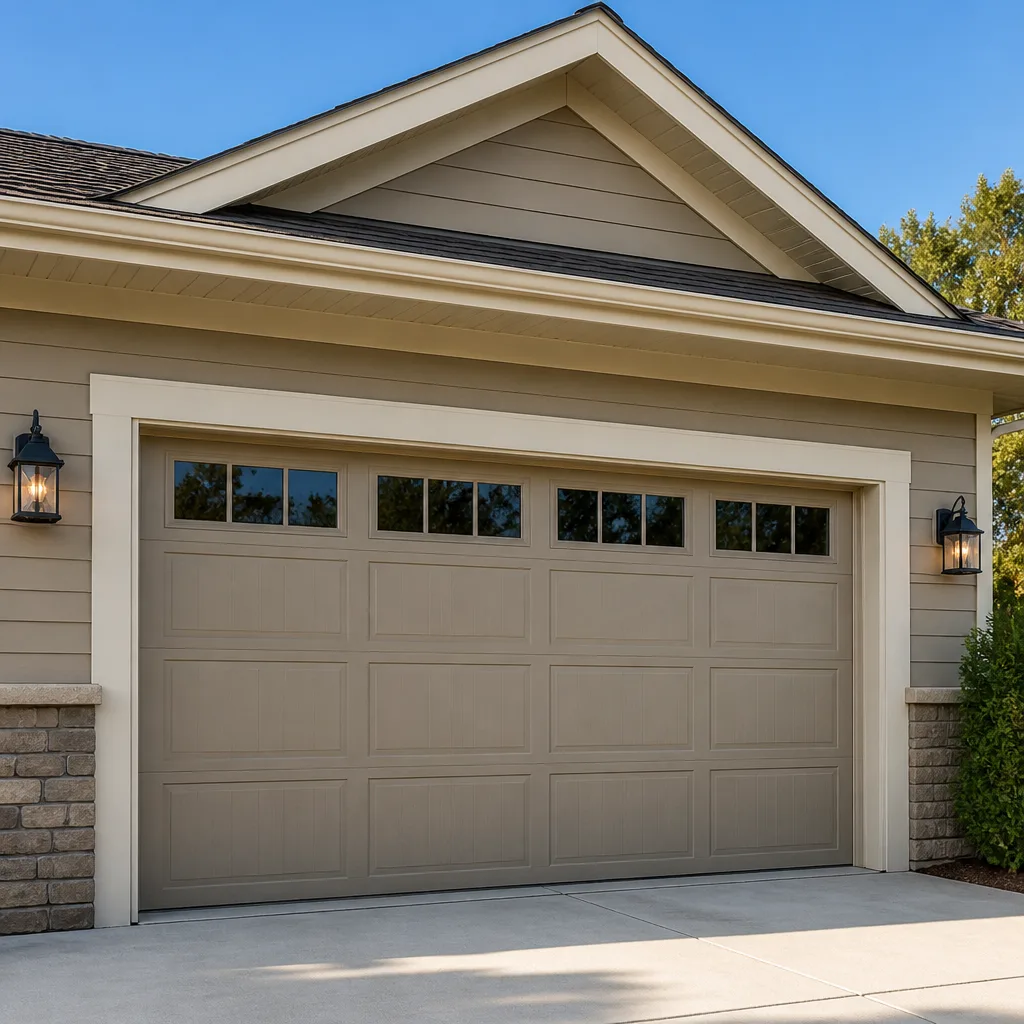 Chamberlain openers
Full 25-point door and opener safety check with every visit - springs, cables, rollers, tracks, and your LiftMaster or Chamberlain opener included
You get a price before we start. It does not change when the pro arrives.
Get your free estimateDIY vs Professional Garage Door: The Canton Homeowner’s Decision Guide
Torsion springs store enough energy to break a wrist or take out an eye. That’s not a scare tactic – it’s a physics fact, and it changes the DIY calculus for exactly one item on the garage door task list. Most homeowners treat every garage door problem as “figure it out yourself or call someone,” when the honest split isn’t about skill at all. It’s about which tasks carry injury or liability consequences severe enough that saving a little money makes no sense. In this guide, we’ll draw the line clearly for Canton homeowners: what’s safe to handle, what never is, and how to know which side of that line your door falls on.
Quick Answer
Weatherstripping, lubrication, sensor alignment, and remote reprogramming are safe DIY tasks for most Canton homeowners. Torsion spring replacement, cable replacement under tension, and structural header work are not – those require a trained professional because the stored energy and structural loads can cause serious injury. When in doubt, a free written estimate tells you whether the job is fifteen minutes of your Saturday or something that should never leave your hands.
Styles & brands we work with
- Raised-panel steel
- Carriage house
- Modern flush
- Full-view glass
- LiftMaster openers
- Chamberlain openers
Table of Contents
- The Hard Stop List: Tasks That Are Never DIY
- Safe DIY Territory: What You Can Confidently Handle
- How to Assess Your Specific Door Setup First
- The Hidden Cost of a DIY Repair That Needs Undoing
- Maryland Contractor Law and Your Resale Disclosure
- What to Do When You’re Not Sure Which Side You’re On
- Why Brand Familiarity Matters in Canton
The Hard Stop List: Tasks That Are Never DIY
Three garage door tasks are categorically off-limits for homeowners, regardless of how handy you are or how many videos you’ve watched. These aren’t “tricky” jobs – they’re jobs where a single mistake causes injury or structural failure.
1. Torsion spring replacement. A torsion spring is wound to a specific tension that counterbalances the entire weight of your door – often well over a hundred pounds. If the winding bars slip while you’re adjusting tension, the spring unwinds with enough force to break bones. There’s no safe way to learn this on your own door.
2. Cable replacement under tension. Cables run from the bottom bracket to the drum, holding the door’s weight in tandem with the springs. Replacing a cable means releasing tension first, and a cable that snaps free can whip with serious force. Even trained technicians treat cable work with care.
3. Structural header work. If your door frame, header, or track anchors are pulling away from the wall, that’s a structural problem, not a garage door problem. It needs a professional assessment of the framing itself. Patching over it hides a hazard and creates a liability if the door later fails.
We’ve seen the results of DIY attempts at each of these in Canton homes, and the pattern is consistent: the homeowner saves some money on the first pass, then pays more to correct what went wrong plus complete the original repair. Spring work in particular is where a repair-first approach protects you – a trained technician can replace the spring without touching a single other component that doesn’t need attention.
Safe DIY Territory: What You Can Confidently Handle
A good chunk of routine garage door maintenance is genuinely safe for a careful homeowner with basic tools. These tasks fall well below the energy and structural thresholds that make the hard stop list dangerous.
Weatherstripping replacement is the most common DIY win in Canton. The rubber or vinyl strip along the bottom of the door (and sometimes the sides and top) dries out and cracks within a few years, especially with our summer humidity and winter freeze-thaw cycles. Pull the old strip, clean the channel, slide in the new one. No tension involved.
Lubrication is a fifteen-minute job that prevents a surprising number of calls. Use a garage door lubricant (not WD-40) on the rollers, hinges, and torsion spring coils. Skip the tracks – those should stay clean and dry so the rollers roll rather than slide.
Safety sensor alignment is usually a matter of looking at the two small LED lights near the floor on each side of the door. If one is amber and one is green, the sensors are aligned. If either is off or blinking, a bracket has been bumped or a lens is dirty. Straighten or wipe, and re-test with a cardboard box in the door’s path.
Remote and keypad reprogramming is safe and solvable. Every modern opener brand – LiftMaster, Chamberlain, Genie, Craftsman, Wayne Dalton, Raynor – has a documented pairing sequence in the manual or on the opener body itself. If the remote won’t pair after two tries, the problem isn’t the remote.
- Weatherstripping: safe, cheap, high-impact
- Lubrication: safe, quick, prevents wear
- Sensor alignment: safe, usually just a bracket nudge
- Remote pairing: safe, follow the manual
- Visual inspection: safe, and the most valuable habit of all
How to Assess Your Specific Door Setup First
Before you decide whether a job is DIY or professional, look at your actual door setup – not the YouTube video’s setup. Canton homes range from 1950s builds with older extension-spring doors to newer construction with high-lift torsion systems, and the assessment changes with each.
Step 1: Identify the spring type. Look above the door (or along the top track). If you see a horizontal shaft with one or two tightly coiled springs parallel to it, you have a torsion system. If you see springs running along the horizontal tracks on each side, you have extension springs. Torsion systems are almost always pro-only for spring work; extension springs are also dangerous but the mechanism is different.
Step 2: Check the door weight and balance. Disconnect the opener (pull the red release handle), lift the door halfway, and let go. A balanced door stays where you put it. A door that drops or rises on its own means the spring tension is wrong, and the door should not be operated until that’s corrected.
Step 3: Look at the tracks and header. Are the vertical tracks plumb? Is the horizontal track level? Are the lag bolts holding the tracks to the wall and header tight? Loosening brackets or bowed headers mean structural work – call a professional, don’t re-drill.
Step 4: Check clearances and part access. If your garage has a low ceiling or a tight clearance above the door (common in older Canton homes converted from carriage use), the safe operating clearance for the springs may be tighter than standard. Note your door’s width, height, and any brand label before you go shopping for parts – a replacement sensor or roller that doesn’t match the system just creates a return trip.
The Hidden Cost of a DIY Repair That Needs Undoing
The most expensive garage door job isn’t the one that fails on its own. It’s the one that fails after a partial DIY attempt, because now the technician has to undo a repair before doing the actual repair.
We see a handful of patterns on Canton service calls. A homeowner replaces the rollers with a hardware-store set that’s slightly the wrong diameter, and now the door binds, the opener strains, and the whole track needs realignment. Someone adjusts the torsion spring tension without winding bars, and the door comes down crooked enough that the opener’s travel limits no longer work. A sensor gets “fixed” by taping over the lens, and the door won’t close at all – which was the original problem.
None of these are catastrophic. All of them cost more than the original repair would have. The pattern is the same every time: a job that would have been straightforward becomes a job plus a correction. That’s the real reason a repair-first shop matters – the right fix on the first visit is almost always cheaper than the right fix plus an undo.
Maryland Contractor Law and Your Resale Disclosure
Maryland’s home improvement contractor law requires anyone performing home improvement work for compensation to hold a valid MHIC license. That’s a legal fact, not a marketing line. What it means for you as a homeowner is that the pro you hire is accountable to a state regulator, and there’s a paper trail for the work.
Where DIY enters the picture is at resale. Maryland’s residential property disclosure requires sellers to disclose known defects and, in many cases, unpermitted work. If you did your own garage door spring replacement and a home inspector later questions the work, you’ll be the one explaining it to a buyer’s attorney. If the work was structural – header repair, track relocation, door frame modifications – the disclosure burden is heavier, and a buyer’s inspector is trained to spot it.
There’s also the insurance angle: if a DIY repair later causes damage to the door, the opener, or a vehicle, the claim conversation is much harder. When a licensed professional does the work, the accountability and documentation are in place. If you’re planning to sell within a few years, keep the receipts for anything beyond weatherstripping and lubrication. Ask your real estate attorney what needs disclosing – we’re garage door people, not lawyers – but know that the question will come up.
What to Do When You’re Not Sure Which Side You’re On
If you’ve read this far and still aren’t certain whether your door’s issue is DIY or professional, use this simple decision sequence.
- Is the issue the spring, cables, or door frame? If yes, stop. Call a professional.
- Is the issue a sensor, weatherstrip, or remote? If yes, try the DIY fix first. It’s safe and quick.
- Did the door stop working abruptly after a loud noise? That’s almost always a spring break. Call a professional.
- Is the opener running but the door not moving? Check the release handle and the sensor first. If those are fine, the problem is likely the spring or the opener’s drive assembly.
- Does the door move crooked or feel unbalanced? Don’t operate it. Call a professional to diagnose the springs and tracks.
- Are you unsure at all about the spring or cable? Call. A free estimate costs nothing; a DIY injury or a correction job costs plenty.
The single most valuable habit is a visual check. Once a month, look at the springs, tracks, rollers, and weatherstripping. Anything that changed – a gap at the bottom, a sagging door, a rattle at the top – is worth a call. Catching a problem before it becomes an emergency keeps the job small and, honestly, cheaper.
Why Brand Familiarity Matters in Canton
Garage door systems vary more than people expect. A Wayne Dalton iDrive has a completely different opener architecture than a LiftMaster belt drive, and a Craftsman opener from a decade ago uses a different logic board than a current one. When a technician arrives already familiar with your system, diagnosis is faster, the right part is more likely to be correct the first time, and fewer jobs turn into “let’s order it and come back.”
Canton Garage Door Repair Pros services LiftMaster, Chamberlain, Genie, Clopay, Amarr, Wayne Dalton, Craftsman, and Raynor systems. Our technicians have up to 8 years of experience with these platforms, including the newer Wi-Fi-enabled openers that have their own pairing quirks. That doesn’t make every repair easy – it makes the right repair more likely on the first visit.
We also handle the full spectrum in one call: springs, openers, panels, and installation. Homeowners who’ve been bounced between a handyman and an opener specialist appreciate not having to make a second call. For an opener that won’t respond to a remote or a keypad, our garage door opener repair handles the diagnosis. For a door that needs work beyond repair, garage door installation is a scheduled, measured job – not a same-day promise.
Common Mistakes to Avoid
- Treating torsion spring work like a “harder version” of roller replacement. It’s not a skill-tier question – it’s a different risk category entirely. A homeowner who’s replaced fuses and re-caulked windows still shouldn’t wind a torsion spring.
- Buying replacement springs at a hardware store without checking the door’s weight and cycle rating. A spring matched to door weight and cycle count matters. A mismatch causes premature failure or a door that won’t balance.
- Lubricating the tracks. A common Canton mistake: oil on the tracks feels like it should help, but the rollers need to roll, not slide. Lubricant on the tracks attracts grit and causes binding.
- Adjusting the opener’s travel limits to “fix” a door that’s out of balance. This masks the real problem – the spring – and strains the opener until it fails too.
- Ignoring a bottom gap after replacing weatherstripping. If the new strip doesn’t seal, the channel may be bent. A bent channel needs straightening, not a thicker strip.
- Letting a small track dent become a big one. A dinged track from a car bumper can be straightened when it’s small; ignored, it forces the roller off and can bring the door down off-balance.
- Skipping the resale paperwork question. If you’re planning to sell in Canton within a few years, ask about disclosure before you do anything structural. It’s a five-minute conversation that saves a headache later.
See the difference
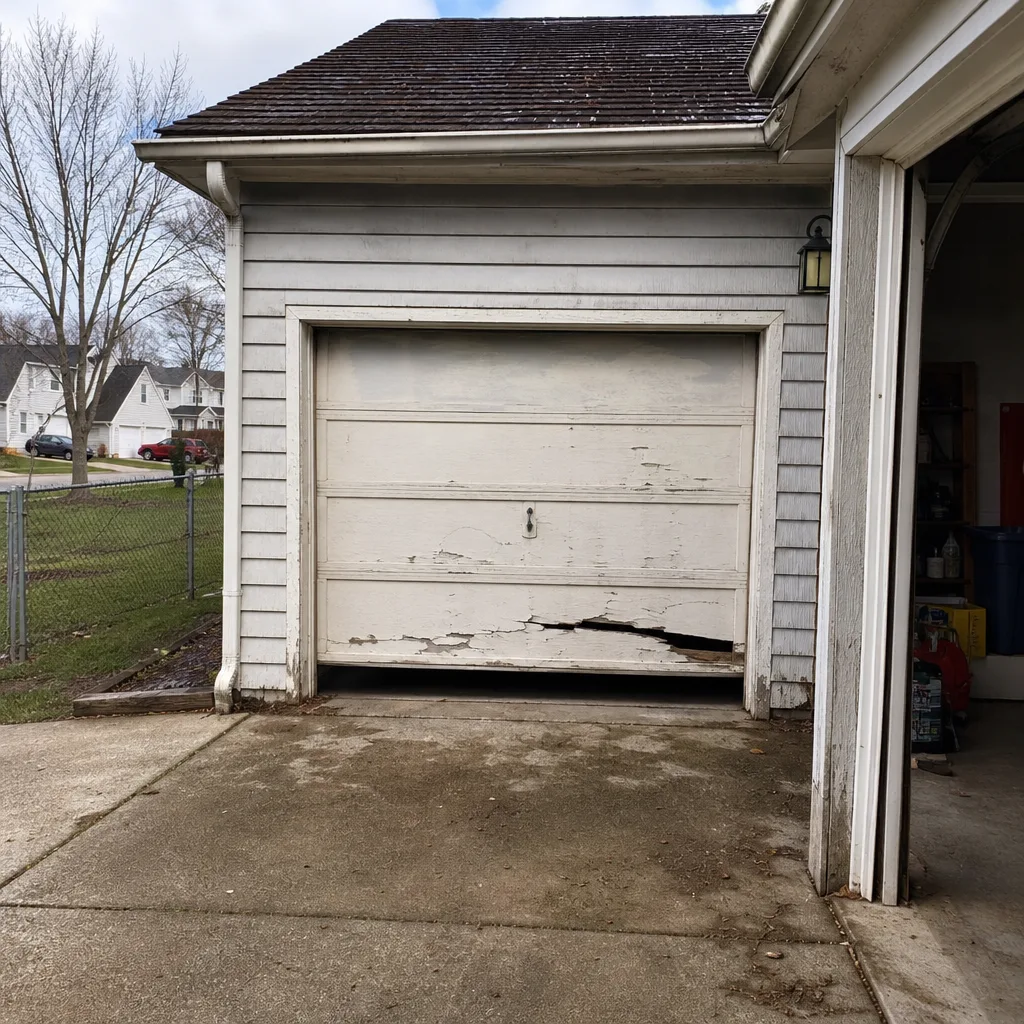 Before
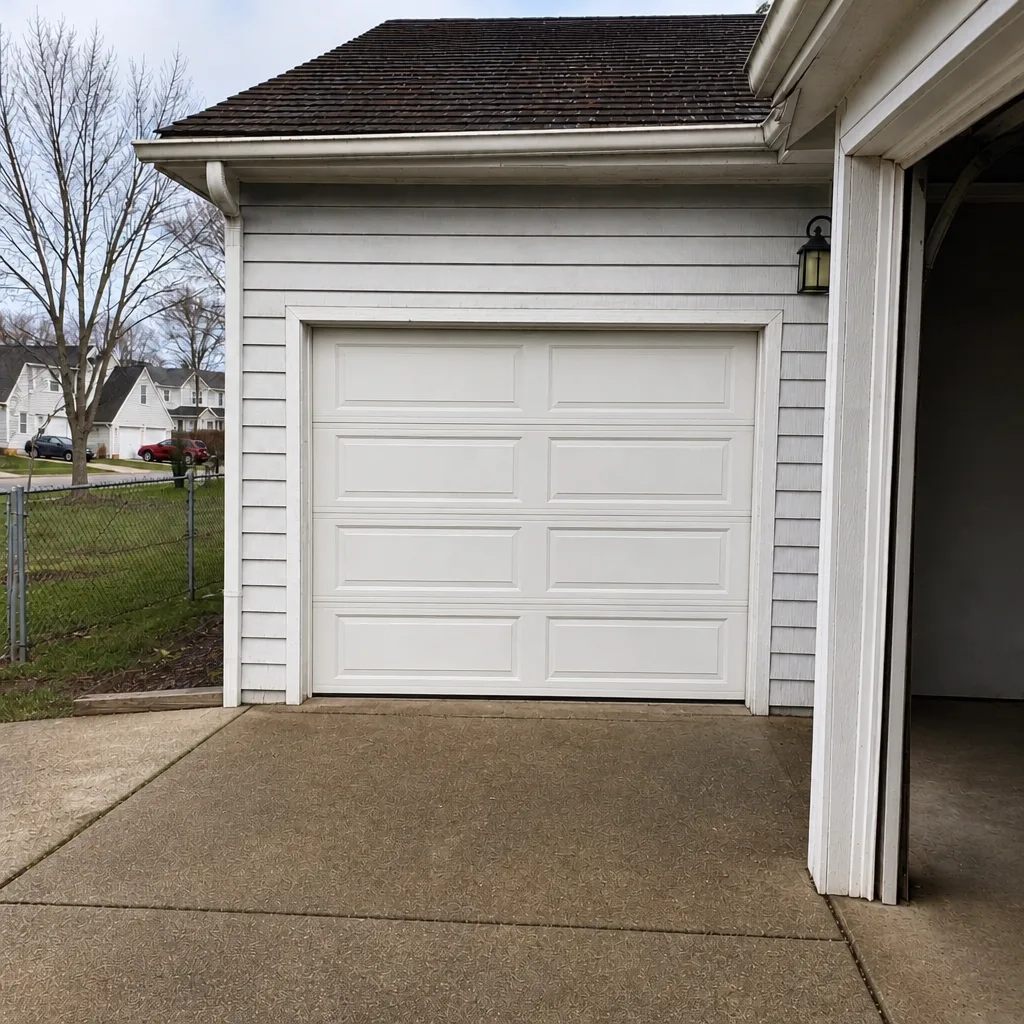 After
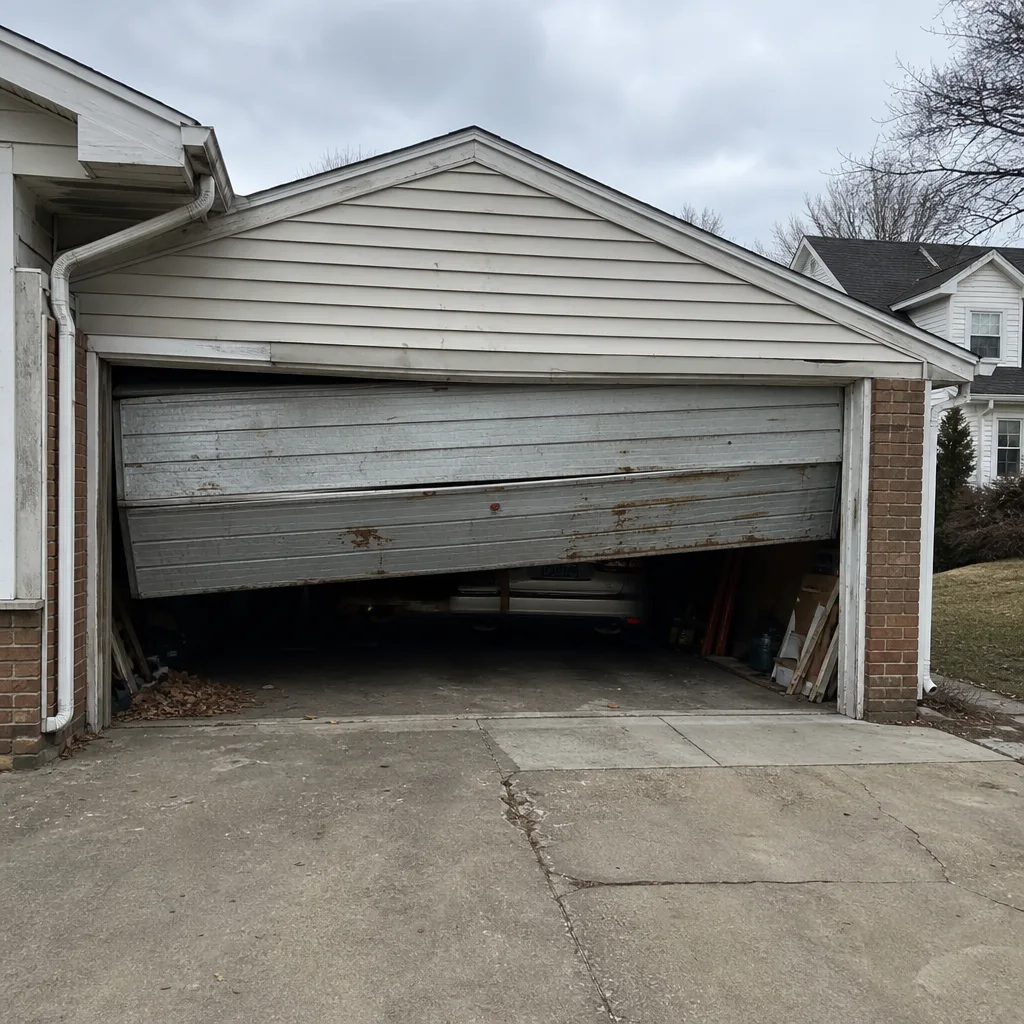 Before
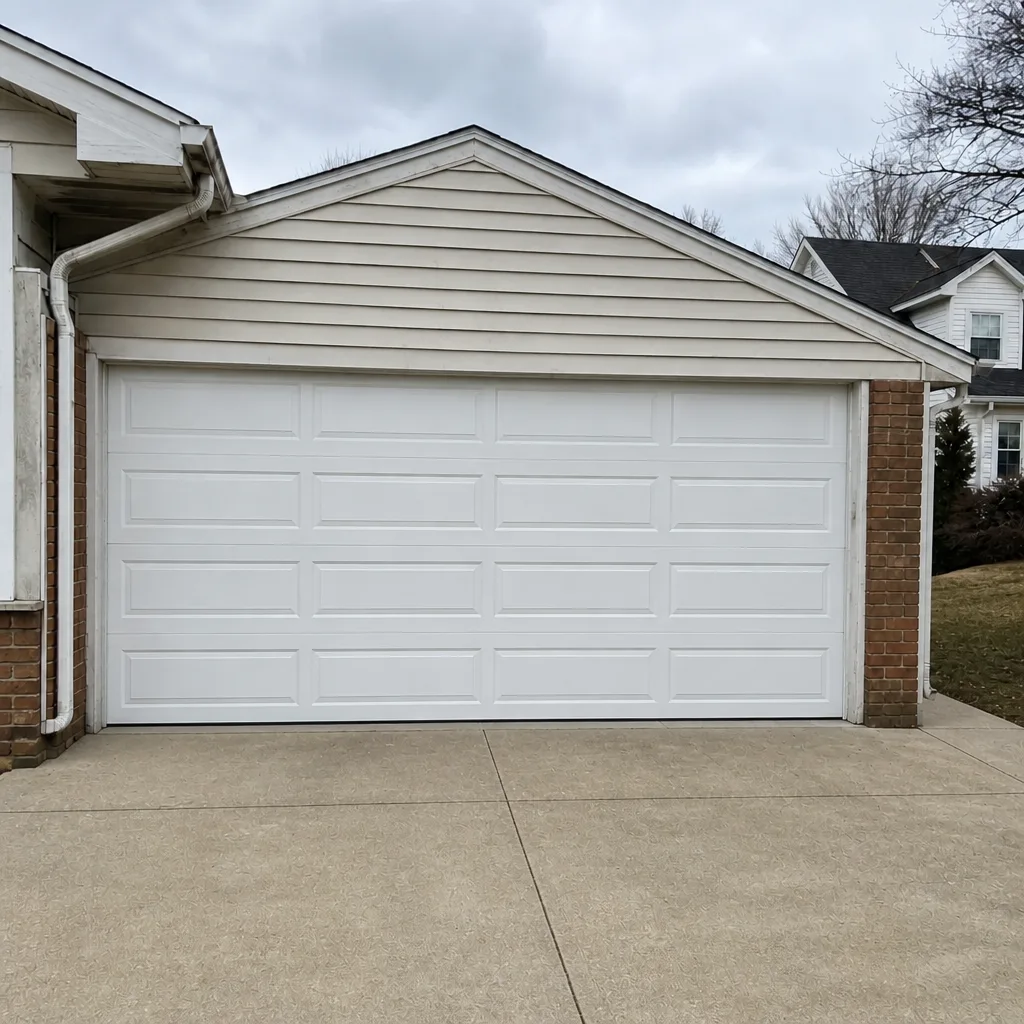 After
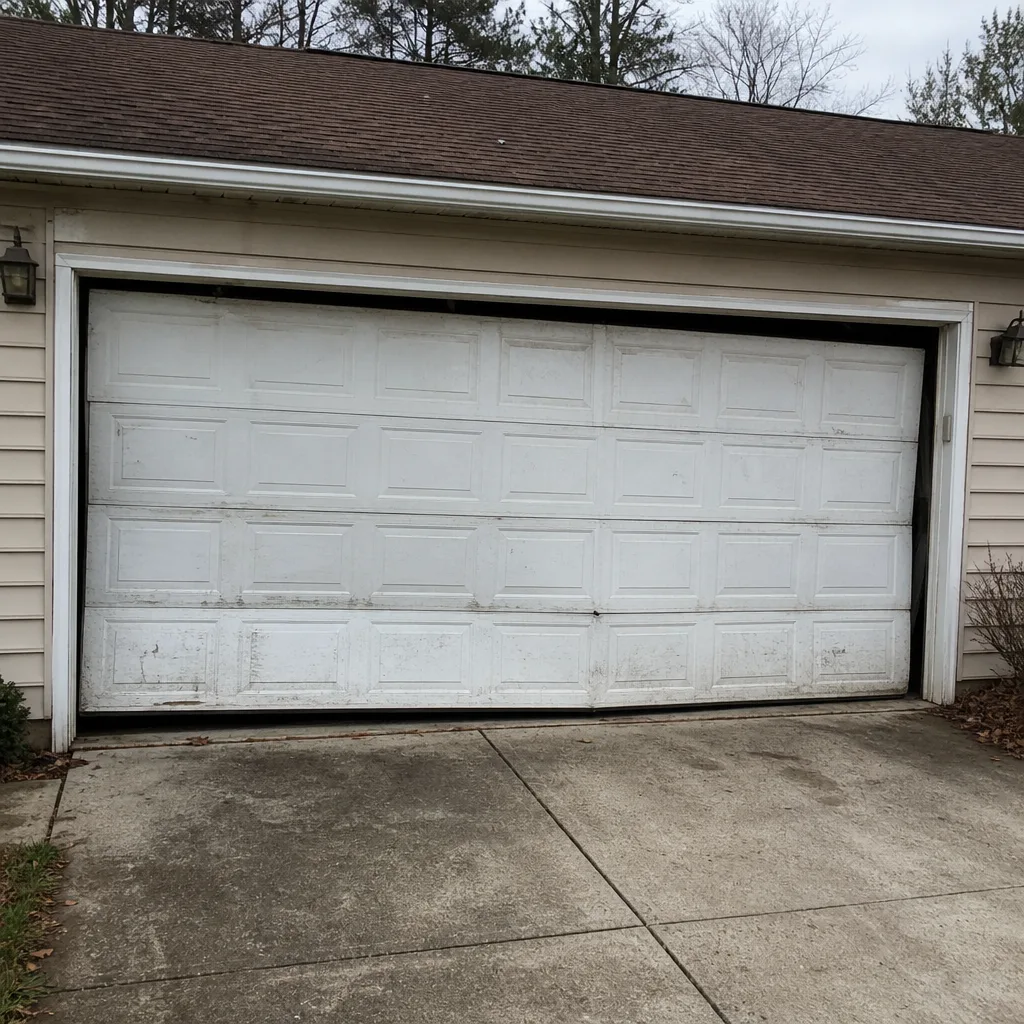 Before
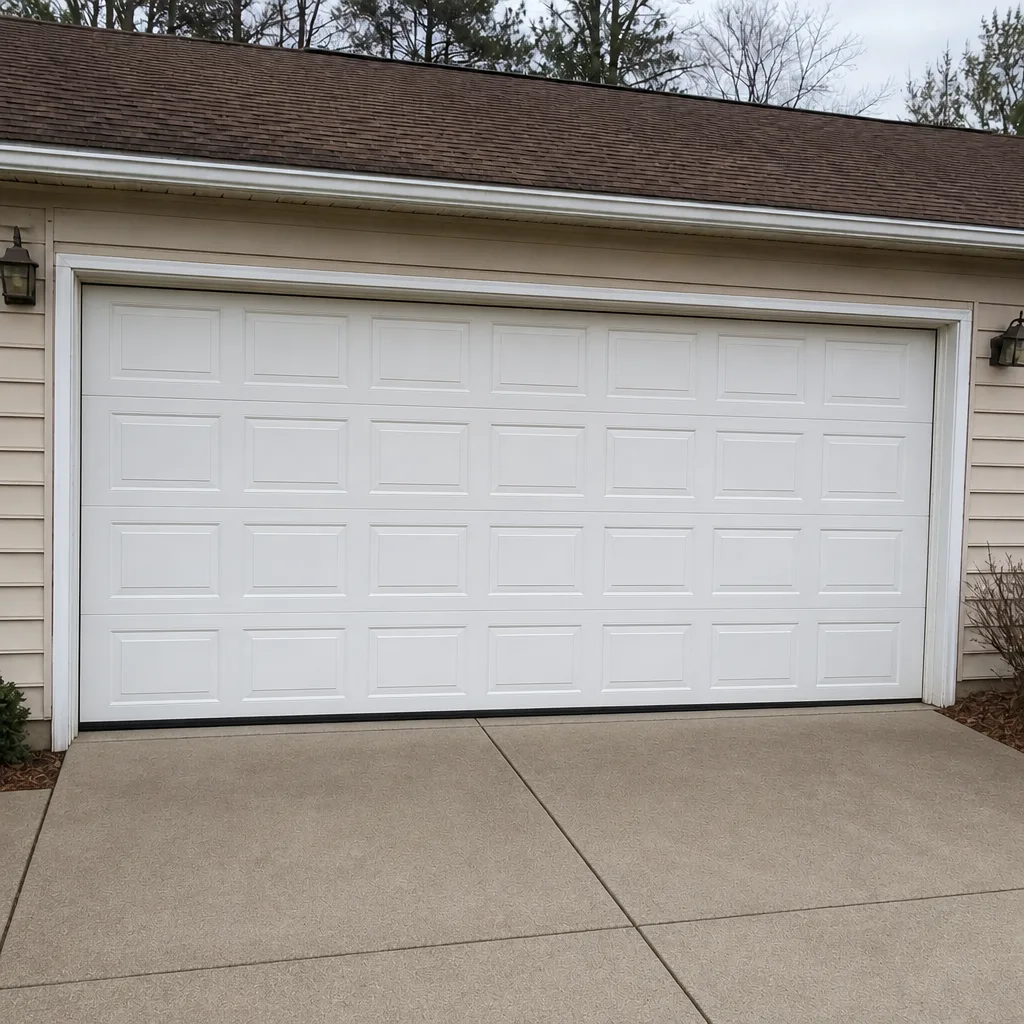 After
When to Call a Professional
Call a professional if the issue involves springs, cables, the door frame or header, or if the door is out of balance. Also call if you’ve tried a DIY fix twice and the problem persists – the third attempt rarely finds the issue, and a fresh diagnosis is cheaper than another parts run. Emergency situations – a door stuck open at night, a snapped spring with a car trapped inside – are exactly what garage door repair is built for.
Canton Garage Door Repair Pros offers free estimates in Canton – call (877) 358-2572. We answer 24/7. Fast dispatch from 7am to 7pm, Sunday through Friday.
Frequently Asked Questions
No – torsion and extension springs store enough energy to cause serious injury and should only be replaced by a trained professional. If a spring fails, stop operating the door and call (877) 358-2572 for a free estimate. We handle spring work as a specialist job, not an add-on.
It depends on the task. Weatherstripping, lubrication, sensor alignment, and remote pairing are genuinely cheaper to DIY and safe to do yourself. Spring, cable, and structural work isn’t cheaper to DIY once you factor in corrections – the right fix on the first visit beats the right fix plus an undo.
Typical costs vary by the part and the specific issue – a sensor or remote fix sits at the low end, spring replacement and opener repair at the middle, and panel or track work at the higher end. We give a written estimate before any work starts, and the price on that estimate is the price. Call (877) 358-2572 for an exact quote – estimates are free.
Maryland’s residential property disclosure requires you to disclose known defects and, in many cases, unpermitted work when you sell. A home inspector may flag DIY spring or structural work, and the disclosure burden is heavier for structural changes. Keep receipts for professional work, and ask a real estate attorney about your specific situation.
The local pro is licensed and insured as Maryland requires, and spring work is treated as the safety-critical job it is. Our technicians have up to 8 years of experience across LiftMaster, Chamberlain, Genie, Clopay, Amarr, Wayne Dalton, Craftsman, and Raynor systems. Call (877) 358-2572 for a free estimate.
We answer 24/7. A call outside dispatch hours is booked into the next opening, Sunday through Friday, 7am to 7pm. We’re closed on Saturday. For a broken spring or a door off-track, call (877) 358-2572 and we’ll get you scheduled.
No. The written estimate is the price, agreed before any work starts. If we find something additional during the repair, we’ll explain it and get your approval before touching it – no surprise invoice. Call (877) 358-2572 for an exact quote.
The Bottom Line
The DIY vs professional decision for a garage door isn’t about how skilled you are – it’s about which tasks can hurt you or complicate a resale, and which ones genuinely save you money to handle yourself. Safe DIY territory: weatherstripping, lubrication, sensor alignment, remote pairing, and visual inspection. Hard stop: torsion springs, cables under tension, and structural header work. Assess your door setup first, keep the receipts, and don’t let a small problem become a correction job. If you’re not sure which side of the line you’re on, that’s the answer – call. Canton Garage Door Repair Pros offers free estimates in Canton; call (877) 358-2572. Ready to hand the job to a specialist who already knows your system? Reach out to Canton Garage Door Repair Pros for a free, written estimate before any work begins.
Written by the team at Canton Garage Door Repair Pros.