
Last updated November 21, 2026
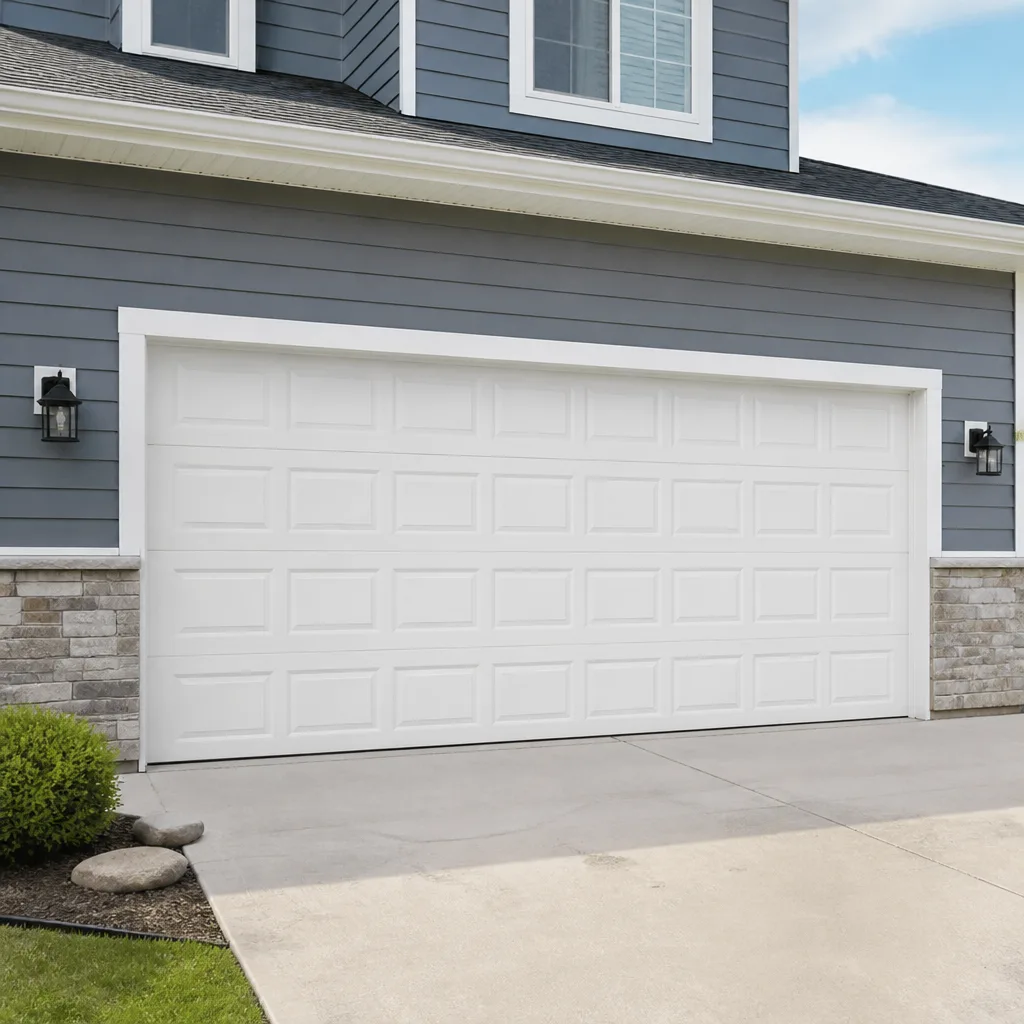 Raised-panel steel
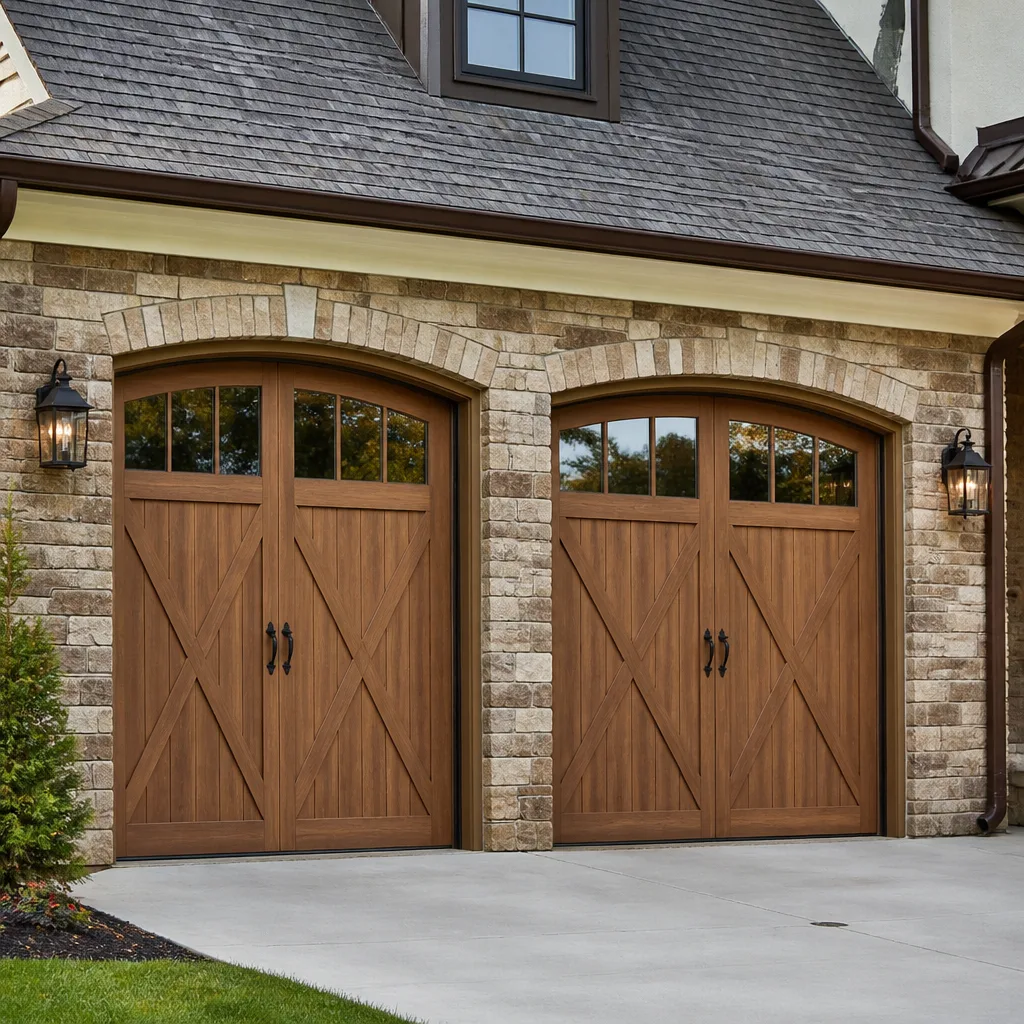 Carriage house
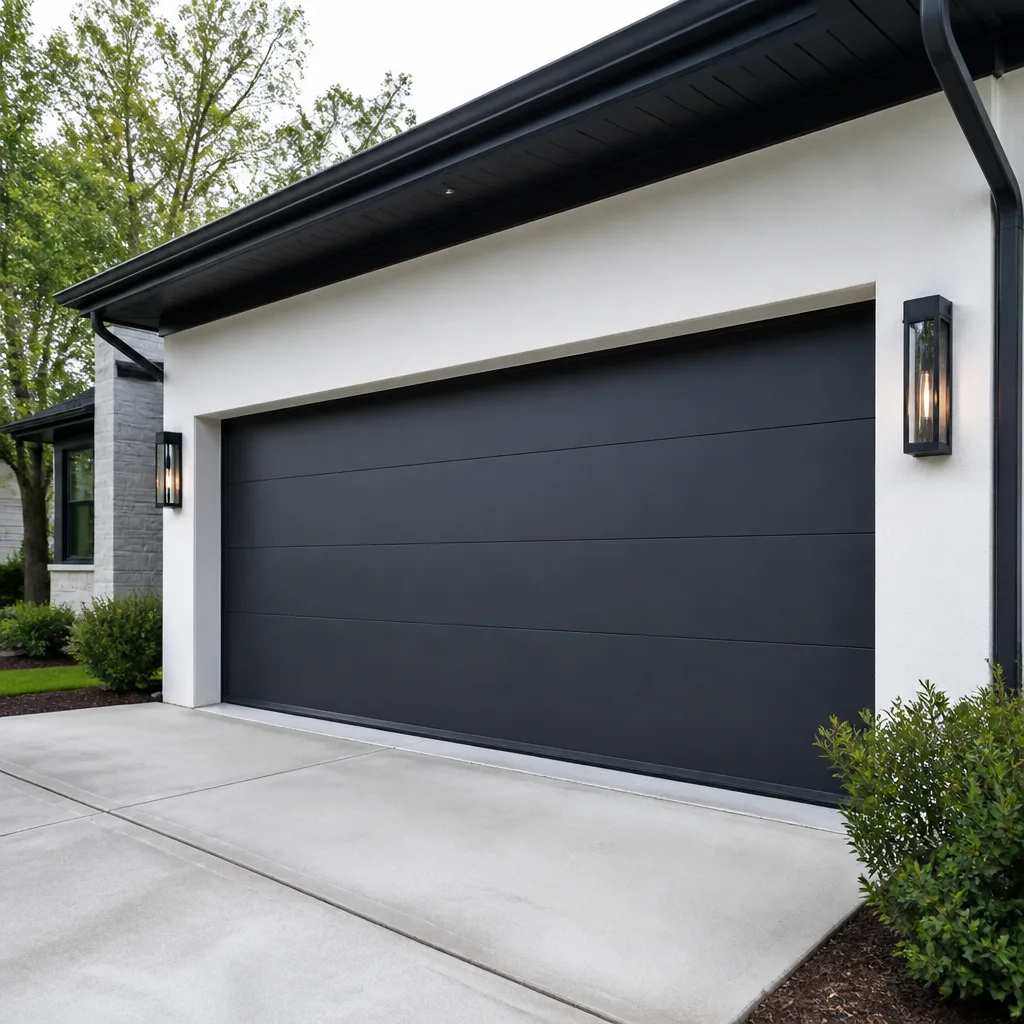 Modern flush
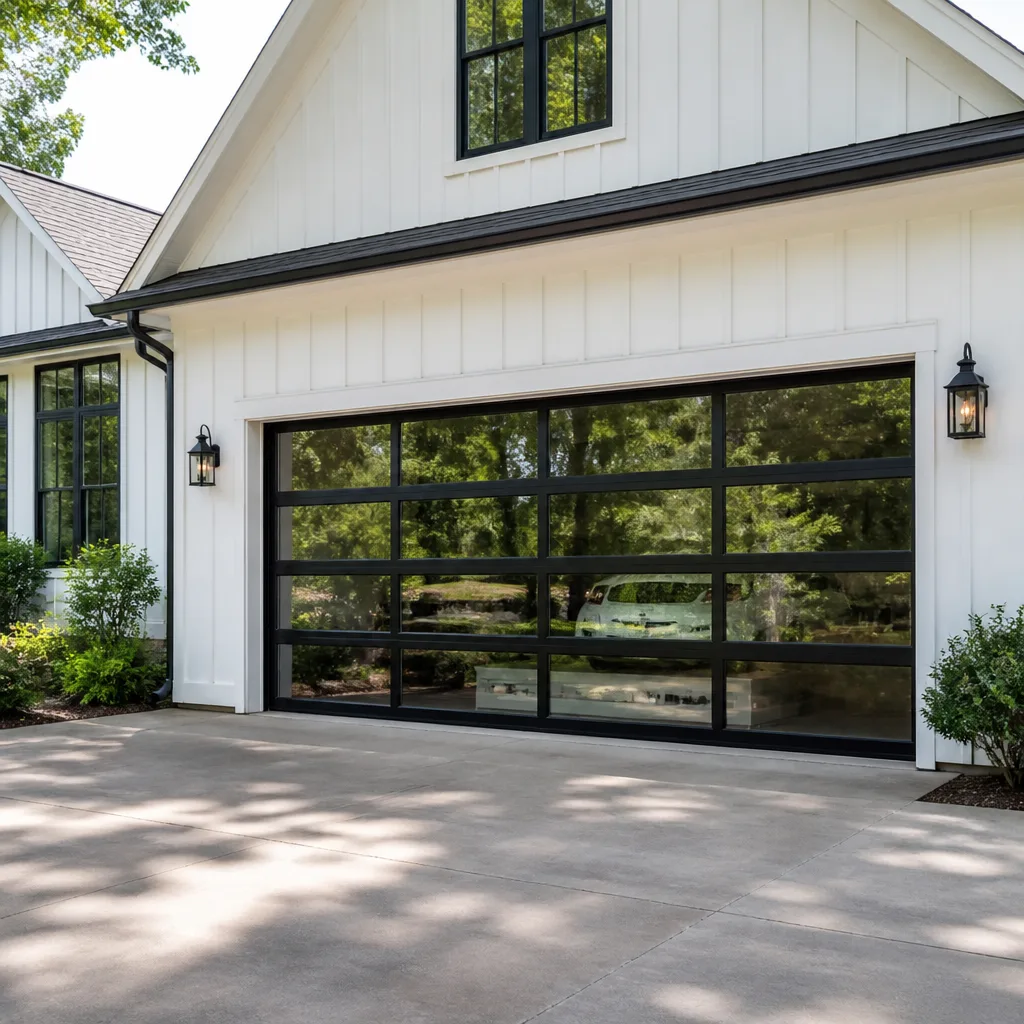 Full-view glass
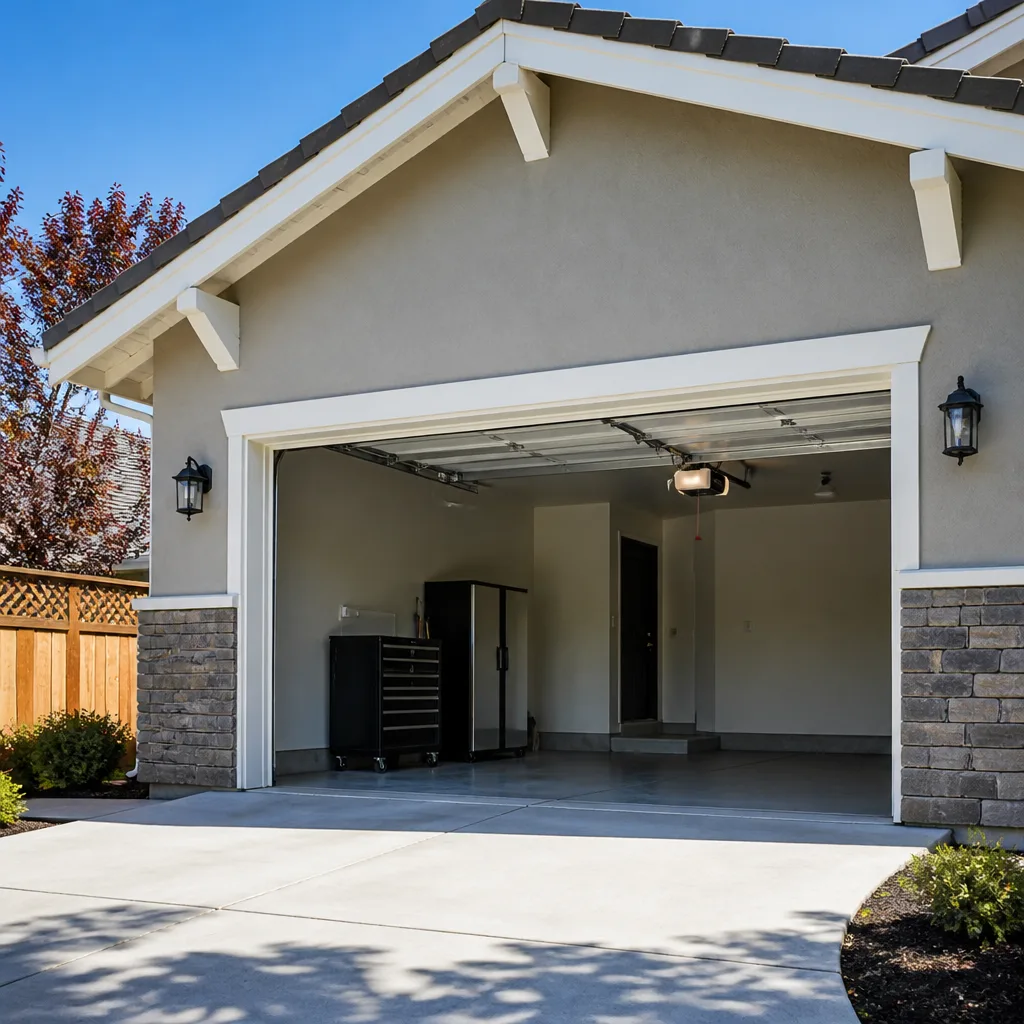 LiftMaster openers
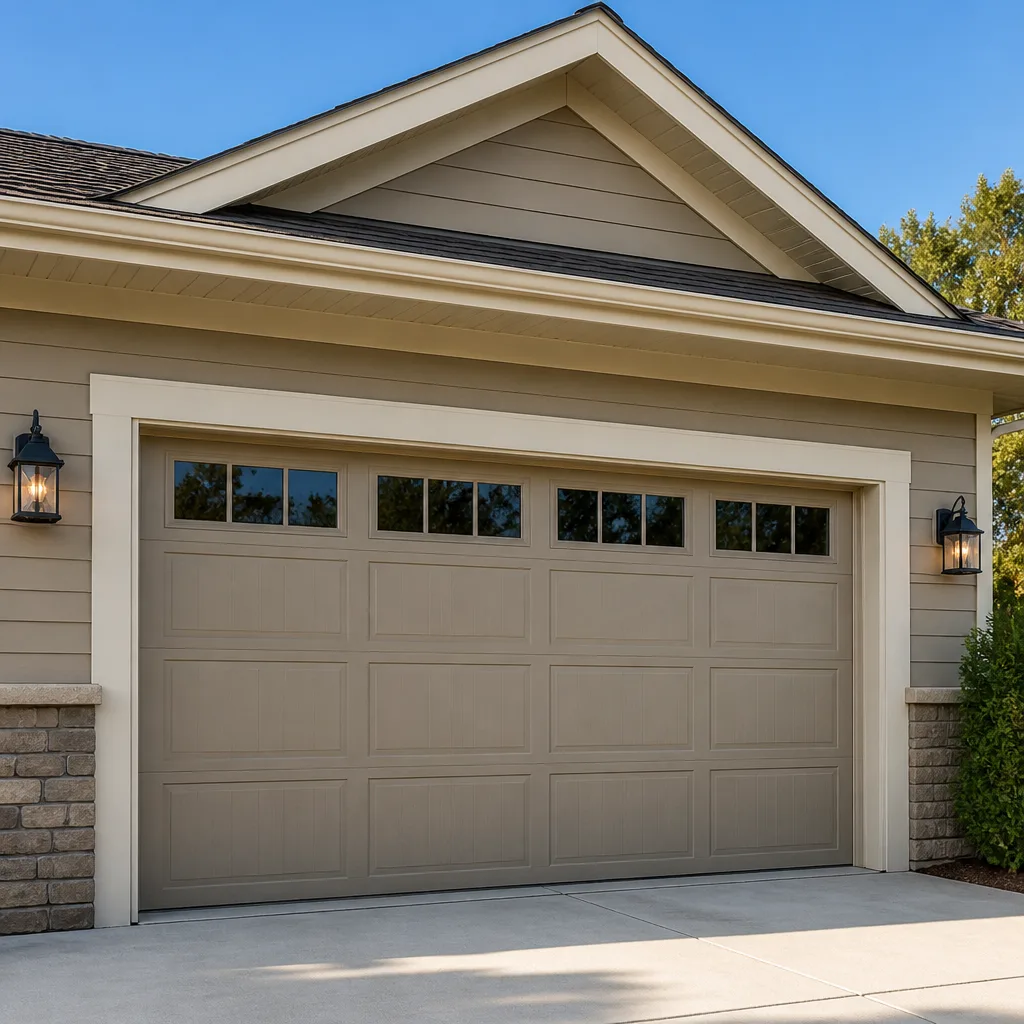 Chamberlain openers
Full 25-point door and opener safety check with every visit - springs, cables, rollers, tracks, and your LiftMaster or Chamberlain opener included
You get a price before we start. It does not change when the pro arrives.
Get your free estimateSeasonal Garage Door Care for Canton: Year-Round Homeowner’s Guide
The coldest nights aren’t what break torsion springs in Canton. Temperature swings do. A January week that runs from 18°F before dawn to a 48°F afternoon works the steel harder than a steady freeze ever would, and February is when we hear the phone ring most. Most homeowners assume summer heat is the enemy, or that a yearly oiling covers everything. It doesn’t. Canton’s climate loads different parts of your door at different times of year: humidity in July, leaf compaction in November, freeze-thaw fatigue in February. This guide walks through what actually matters each season, when to handle it yourself, and when a trained technician should take the wrench.
Quick Answer
Seasonal garage door care in Canton means matching the maintenance to the mid-Atlantic calendar, not a generic checklist: lubrication and weatherstripping attention before summer humidity peaks, debris and seal checks in fall, and close inspection of cables, drums and springs after the January and February freeze-thaw cycles. Clean and lubricate your door quarterly, watch the bottom seal and weatherstripping twice a year, and call a professional for anything involving torsion springs, cables or a door that’s come off its track. Those last items carry real injury risk and always belong with a trained technician.
Styles & brands we work with
- Raised-panel steel
- Carriage house
- Modern flush
- Full-view glass
- LiftMaster openers
- Chamberlain openers
Table of Contents
- Why Canton’s Climate Needs Its Own Maintenance Calendar
- Spring: Post-Winter Cable and Drum Inspection
- Summer: Humidity and the Weatherstripping Question
- Fall: Alley Debris, Leaf Compaction and Pre-Winter Lubrication
- Winter: Freeze-Thaw Cycles, Springs and a Door Sealed to the Ground
- Building Your Canton Maintenance Calendar
- What You Can Do Yourself and What You Shouldn’t
- Opener and Door Brands You’ll Actually Find in Canton Garages
Why Canton’s Climate Needs Its Own Maintenance Calendar
Generic “four-season” garage door advice was written for everywhere and accurate for nowhere. Canton sits in the mid-Atlantic, which means it gets four genuinely different kinds of stress on a door in one year. Summer air runs humid for weeks. Fall drops a season’s worth of leaves, and in Canton a lot of them collect in the alleys behind the rowhouses. Winter brings hard freezes that thaw by afternoon. Each one attacks a different component.
Here’s how the seasons actually load a garage door in Canton:
- Summer humidity: swells wood doors and their framing, softens or stiffens weatherstripping depending on the material, and makes painted finishes on wood doors work harder to stay sealed.
- Fall debris: leaves and alley grit compact under the bottom seal, trapping moisture against the concrete and keeping the door from closing flush.
- Winter freeze-thaw: the day-to-night temperature swing fatigues torsion springs and works at the cables and drums, which is why most failures land in January and February rather than deep summer.
- Spring thaw: reveals whatever the winter stressed. Cables and drums need a close look now, before a frayed strand turns into a snapped cable and a door that drops.
If you’ve been running the same checklist every month, that’s the first thing to change. The right move is timing each task to when the climate makes it matter. Our technicians have up to 8 years of experience watching how Canton doors fail, and the pattern is consistent: the parts that break in February are the parts you should have inspected in November and March. A door is a system of springs, cables, drums, rollers, hinges, an opener and seals, and it’s worth knowing garage door repair needs are almost always cheaper when caught on a schedule than after a loud snap.
Spring: Post-Winter Cable and Drum Inspection
Spring is when you find out what January and February did to your cables. The freeze-thaw cycles are hard on steel, and cables that looked fine in December can carry frayed strands or a stretched drum wrap by March. A cable is under serious tension, and when one fails the door can come down hard. That’s why this check matters more in Canton than the generic “spring cleaning” advice suggests.
A trained technician runs a set of checks that a homeowner shouldn’t try to replicate, because it means working around live tension:
- Inspect both cables along their full length for fraying, kinks or broken strands, particularly at the drum and the bottom bracket.
- Check the drums for wear and confirm the cable is winding evenly and not crossing over itself.
- Test the torsion springs for gaps, rust lines or a stretched coil.
- Check the balance of the door by disconnecting the opener and lifting it halfway; a properly balanced door stays put.
- Confirm the safety reverse works on contact, since a door that fails to reverse is a genuine hazard.
- Lubricate rollers, hinges and the torsion bar bearings with a garage-door-specific lubricant.
Spring is also a good time to test your garage door opener repair needs, because a door that’s out of balance puts extra load on the opener motor. If the opener strains or the door moves unevenly, the opener may not be the problem; the door’s mechanics are. Fix the door first and you save the opener. If your openers been struggling all winter, get it looked at now rather than waiting for it to quit in July.
Summer: Humidity and the Weatherstripping Question
Canton’s summers are humid enough that weatherstripping choice actually matters. The rubber or vinyl seal around the perimeter of a door is what keeps humid air, insects and water out, and different materials handle humidity differently. A stiff, low-grade seal can harden in the heat and lose contact with the door, leaving gaps. A softer, more flexible material holds its shape better through a humid summer and doesn’t become brittle.
This is where a lot of inland Maryland advice doesn’t fit Canton. Homes that sit further from the water see less sustained humidity, so a stiffer seal that works there may struggle here. We look at three things when we’re assessing weatherstripping in a Canton garage:
- Material flexibility: the seal should return to shape after you press it. If it stays compressed or feels brittle, it’s not doing its job.
- Contact along the full perimeter: gaps at the corners or a seal that’s pulled away from the door let humid air inside.
- Bottom seal condition: the threshold at floor level takes the most abuse and is the first place humidity and water get in.
Humidity also stresses wood doors more than steel or aluminum ones, because wood absorbs moisture and swells. If you’ve got a wood door, that finish matters year round, and summer is when the paint or stain takes its beating. A door that’s stripping, flaking or holding water is a door that needs refinishing before fall. And this is the season to make sure your opener’s safety sensors work, since summer humidity can fog a sensor lens and cause phantom reversing. A modern LiftMaster or Chamberlain opener with a smart controller can tell you a sensor is misbehaving; older units give you nothing but a door that won’t stay down.
Fall: Alley Debris, Leaf Compaction and Pre-Winter Lubrication
Canton’s alley-facing garages collect a season’s worth of leaves and grit, and left alone that debris packs under the bottom seal and holds moisture against the concrete. By the time winter arrives, the door’s closing on a bed of leaf mulch that keeps it from sealing and lets water freeze in the gap. Fall is when you break that cycle, before the first hard freeze.
Here’s the fall routine we recommend for Canton homeowners:
- Clear leaves, grit and alley debris from the door’s base and the concrete threshold with a stiff broom, getting into the corners where it packs.
- Check and clear any leaves or grit between the door and the frame, and clear gutter downspouts that dump water near the door opening.
- Inspect the bottom seal for cracks or tears and confirm it makes full contact with the threshold.
- Lubricate hinges, rollers, tracks and the torsion bar bearings. A garage-door-specific lubricant (not WD-40 or cooking oil) is what you want; a light application is enough.
- Clean and lubricate the chain or belt on the opener, if your unit calls for it, and check the safety reverse.
- Test the door balance and check cables and springs for anything that looks worn before the cold stress begins.
The pre-winter lubrication is the most-skipped step and one of the most important, because a dry door works harder on its springs and opener through the cold months. A Genie or Raynor chain-drive opener handles a well-lubricated door much more easily than a dry one, and the difference in strain shows up fastest in January. If your door needs more than lubrication, fall is also the smart time to schedule garage door installation before the weather turns and the job gets messier.
Winter: Freeze-Thaw Cycles, Springs and a Door Sealed to the Ground
February is the hardest month for garage doors in Canton, and it isn’t the cold that does it. The swing from an 18°F night to a 48°F afternoon cycles the torsion spring between contraction and expansion, and that fatigue is what cracks a spring. A spring that failed from steady cold would be one thing; the temperature swing is what makes February the peak failure month.
Two winter problems deserve specific attention.
Freeze-thaw and spring failure
Torsion springs carry the full weight of the door and hold it under tension. When one fails, it usually makes a loud snap, and the door becomes very heavy and dangerous. Signs a spring is about to go:
- A visible gap in the coil, a rust line or a stretched section.
- A door that suddenly feels much heavier or won’t stay up.
- A bang from the garage with the door in the closed position.
If you see any of these, stop using the door and get a technician out. This is the highest-stakes job in the trade, and we handle both torsion and extension springs safely. This is also the right season to make sure your cables and drums are sound, because a spring under winter stress will be working against whatever the cold did to the rest of the system.
A door sealed to the ground
When the door freezes to the concrete threshold, don’t yank on it and don’t force the opener. Before you do anything, clear any snow or ice from the base of the door and the threshold. If the door is stuck, the safer move is to free the base gradually, and a hair dryer on low near the bottom seal is the tool most homeowners have. Never pour hot water on a frozen door; it refreezes and gets worse. Never pry at the seal with a screwdriver, because you’ll tear the bottom seal or strip the opener drive. If the door won’t free or the opener has already been forced, stop and call. We answer 24/7, and a call outside dispatch hours is booked into the next opening, Sunday through Friday, 7am to 7pm.
Building Your Canton Maintenance Calendar
The easiest way to keep a Canton garage door healthy is to time tasks to the climate instead of doing everything at once. Here’s a calendar that fits the mid-Atlantic, from what to do and when:
- Late spring (after the thaw settles): full inspection of cables, drums, springs and balance; repair anything the winter stressed; test the safety reverse; address opener problems before summer heat.
- Summer (once humidity climbs): check weatherstripping and bottom seal, refinish wood doors that need it, check opener sensor lenses, clear the door tracks.
- Fall (before the first hard freeze): clear alley debris and leaf compaction, inspect and lube the door, test the balance, clear downspouts near the door.
- Winter (on the coldest swing weeks): watch the door’s balance and spring condition, don’t force a frozen door, keep the base clear of ice.
- Year round: wipe down and lubricate rollers, hinges and tracks monthly during heavy-use months.
The other part of the calendar is your door’s own behavior. If it’s suddenly louder, slower, or balking at the top of its travel, note it and check the date. That’s the day you should schedule the inspection, before the issue turns into a rescue call. If you’ve got an emergency, our garage door repair team knows what a Canton winter does to the hardware, and we can get out today.
What You Can Do Yourself and What You Shouldn’t
Honest line: some garage door care is safe for a homeowner and some of it can hurt you. We’re happy when people do the safe parts themselves, because a maintained door lasts longer and calls us less. But we’d rather tell you where the line is than pretend there isn’t one.
Safe for you
- Clearing debris and leaves from under the door and out of the tracks.
- Lubricating hinges, rollers and tracks with a garage-door-specific lubricant.
- Wiping down the seal and inspecting weatherstripping for cracks.
- Cleaning the opener’s safety sensors and testing the reverse feature.
- Testing the door balance by hand.
Leave to a professional
- Torsion spring repair or adjustment. The spring holds the full door weight under extreme tension and can injure you severely if it releases under your hands. This is the part of the job that sends people to the emergency room.
- Cable replacement or adjustment. Cables are under tension too, and a slipping cable can drop a door.
- Track straightening or re-hanging the door. A door that’s come off its track is heavy and unstable.
- Opener installation or major opener repair. Wiring, motor and safety systems all need a trained hand. If the opener’s dead, that’s a job for a technician, especially on a smart system where you’ll be pairing Wi-Fi and safety sensors.
When a spring or cable fails, our garage door repair service is built for exactly that. Call (877) 358-2572. We answer 24/7. Fast dispatch from 7am to 7pm, Sunday through Friday.
Opener and Door Brands You’ll Actually Find in Canton Garages
Canton garages hold a lot of different systems, and knowing your equipment saves everyone time. We work on products from LiftMaster, Chamberlain, Genie, Clopay, Amarr, Wayne Dalton, Craftsman and Raynor, so when we walk up to your door we already know the quirks of the system we’re looking at. That matters most with an opener. A LiftMaster or Chamberlain smart system has its own Wi-Fi pairing and sensor behavior. A Genie or older Craftsman unit behaves differently, and the fix isn’t the same. Knowing your brand up front means the technician isn’t learning on the job at your garage.
We also don’t push a full replacement when a repair will do. The right fix beats the easiest upsell, and spring repair, cable work and opener troubleshooting are all jobs we’d rather do than sell you a new door you don’t need. When a new door genuinely makes sense, we can talk through brands and what fits a Canton house. From opener to panel to spring, one call handles the job.
Common Mistakes to Avoid
- Running a generic four-season checklist. Canton’s humidity and freeze-thaw cycles don’t load a door the way a generic guide assumes. Time your tasks to the actual weather, not the calendar month.
- Ignoring leaf compaction under the seal. In Canton’s alley-facing garages, leaves pack under the bottom seal and hold moisture. Clean them out in fall before they freeze into place.
- Forcing a frozen door or hammering the opener. If the door’s sealed to the ground, forcing it tears the bottom seal or strips the opener drive. Free the base gradually and don’t yank.
- Using the wrong lubricant. WD-40, cooking oil and general-purpose grease attract grit and gum up the tracks. Use a garage-door-specific lubricant on hinges, rollers and the torsion bar.
- Skipping the spring and cable inspection until something breaks. The parts that fail in February are the ones you’d have caught in November and March. Inspect after the thaw and before the freeze.
- Assuming the opener is the whole problem. A door that’s out of balance strains the opener. Fix the door first and you save the opener motor.
- Getting the wrong weatherstripping for the humidity. A stiff seal that works in a drier part of Maryland can harden and lose contact through a Canton summer. Match the material to the climate.
See the difference
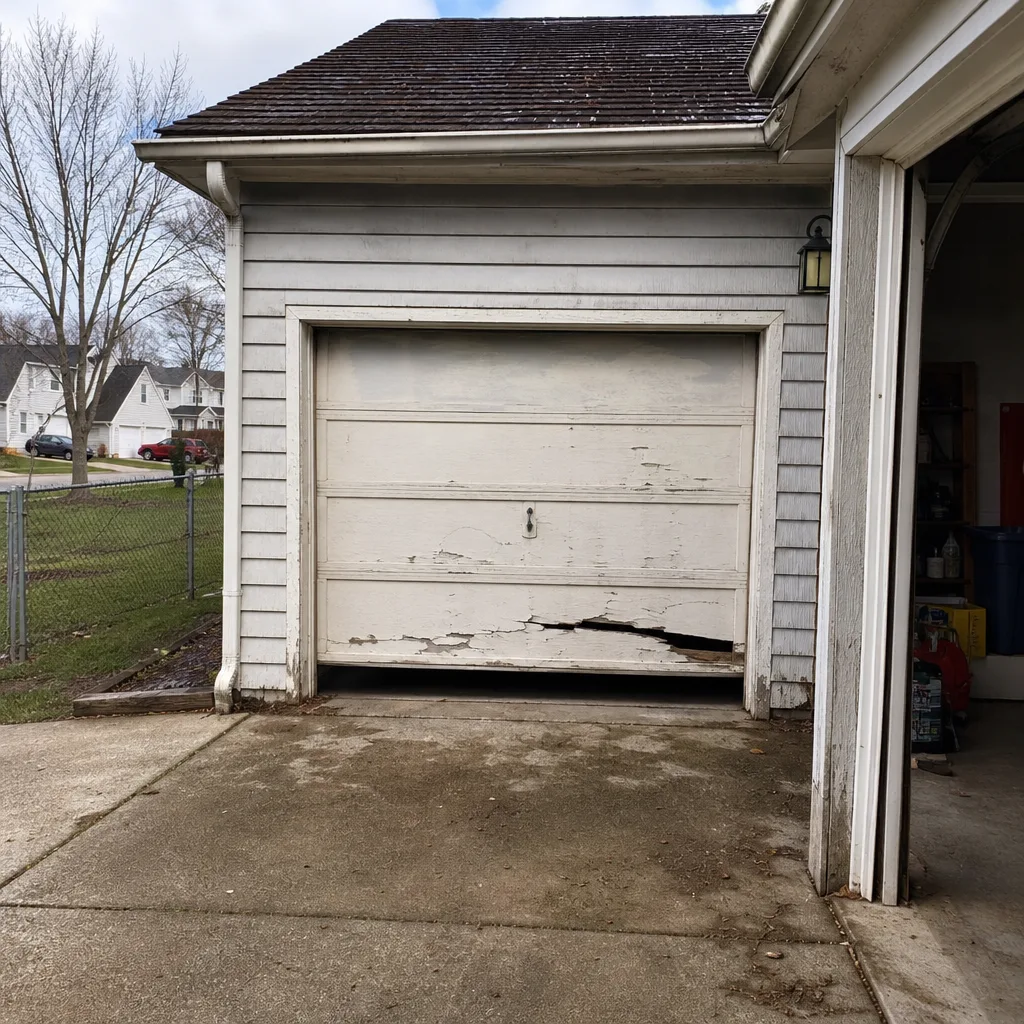 Before
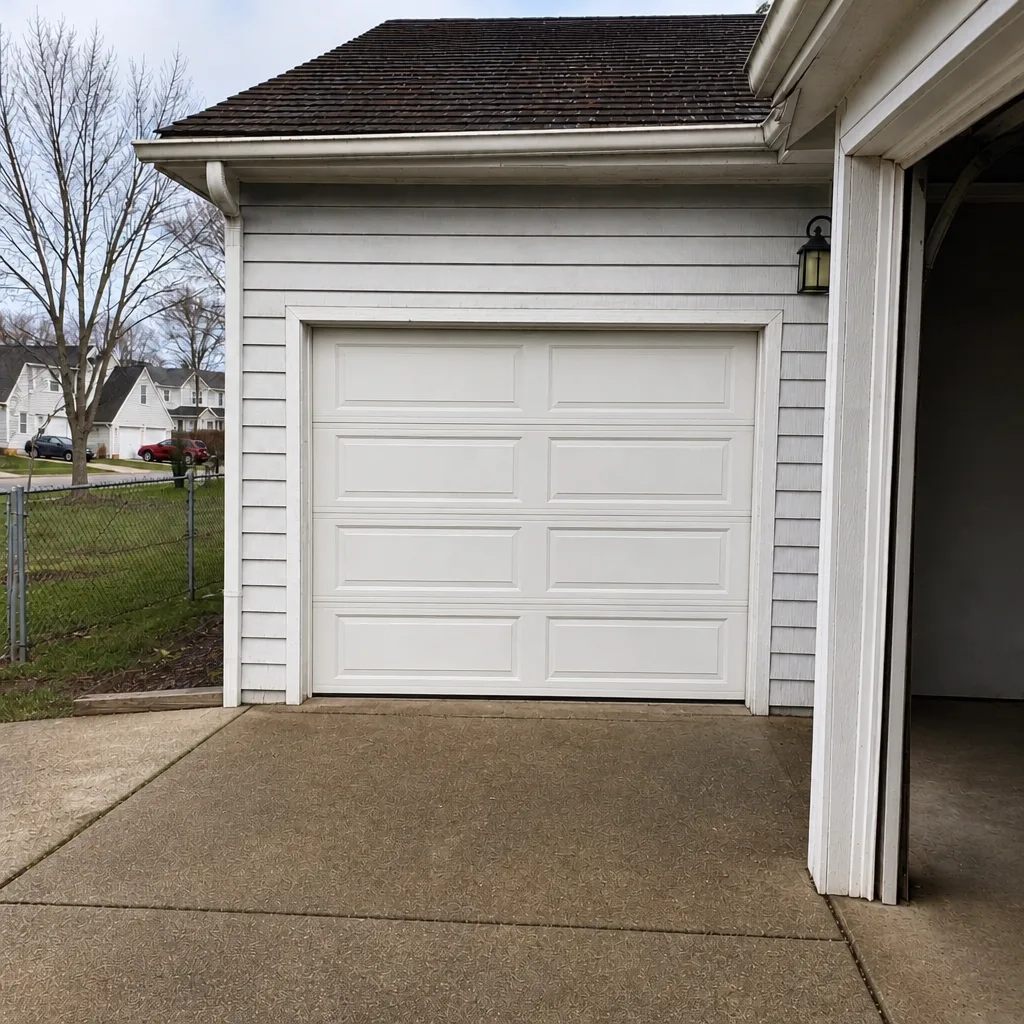 After
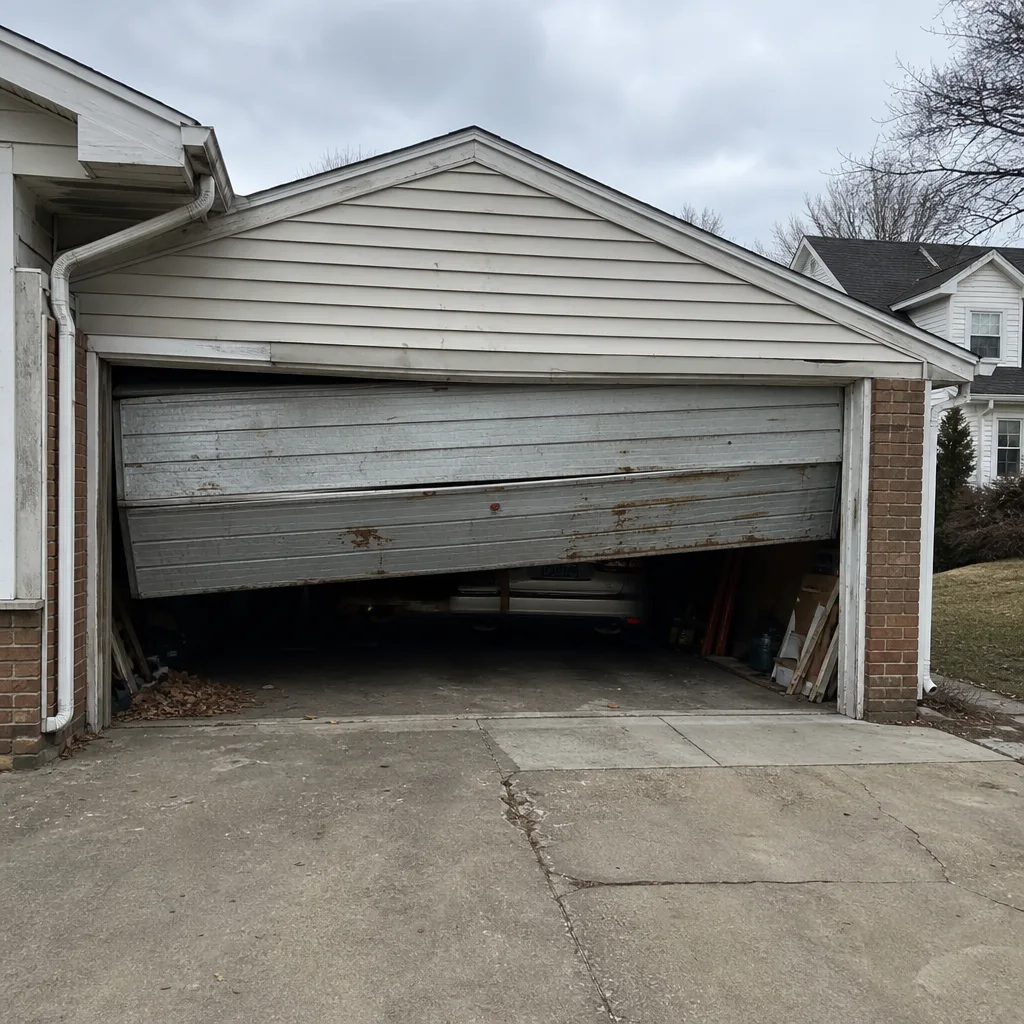 Before
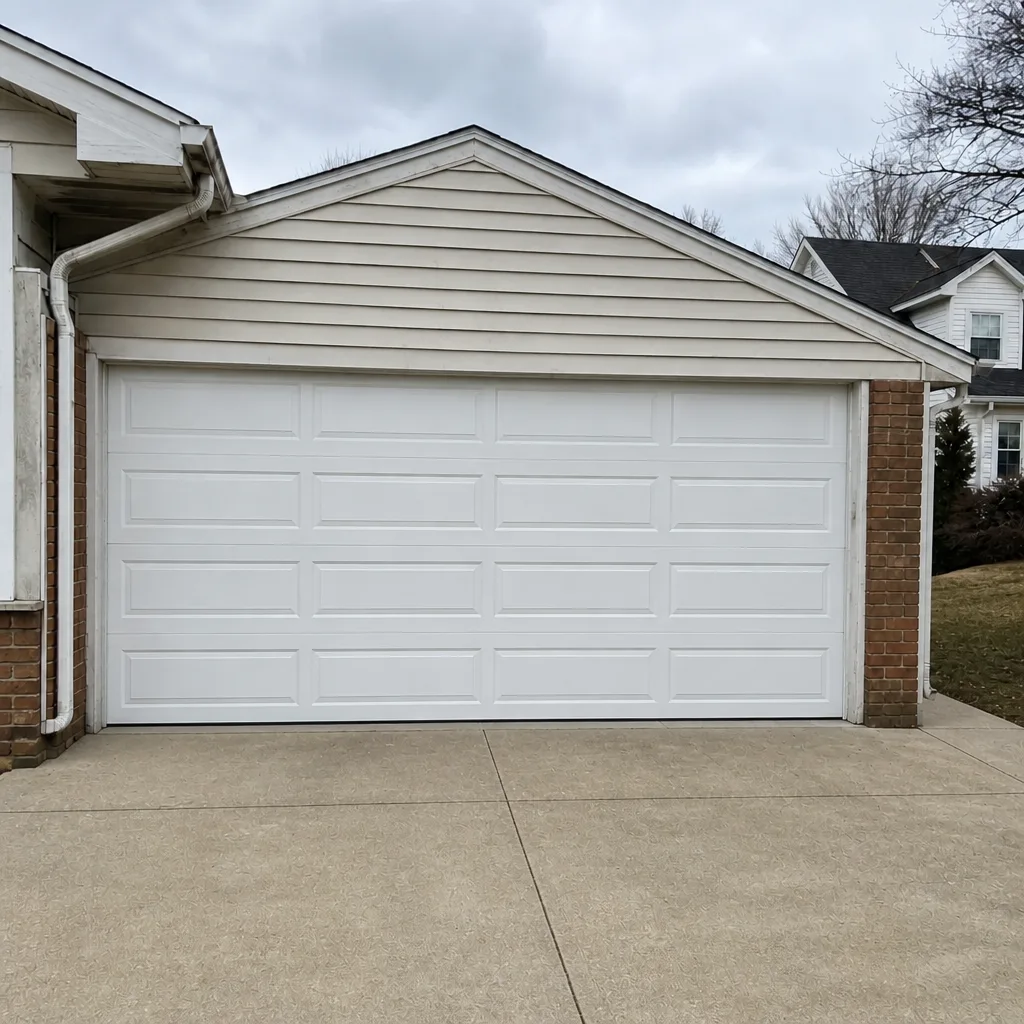 After
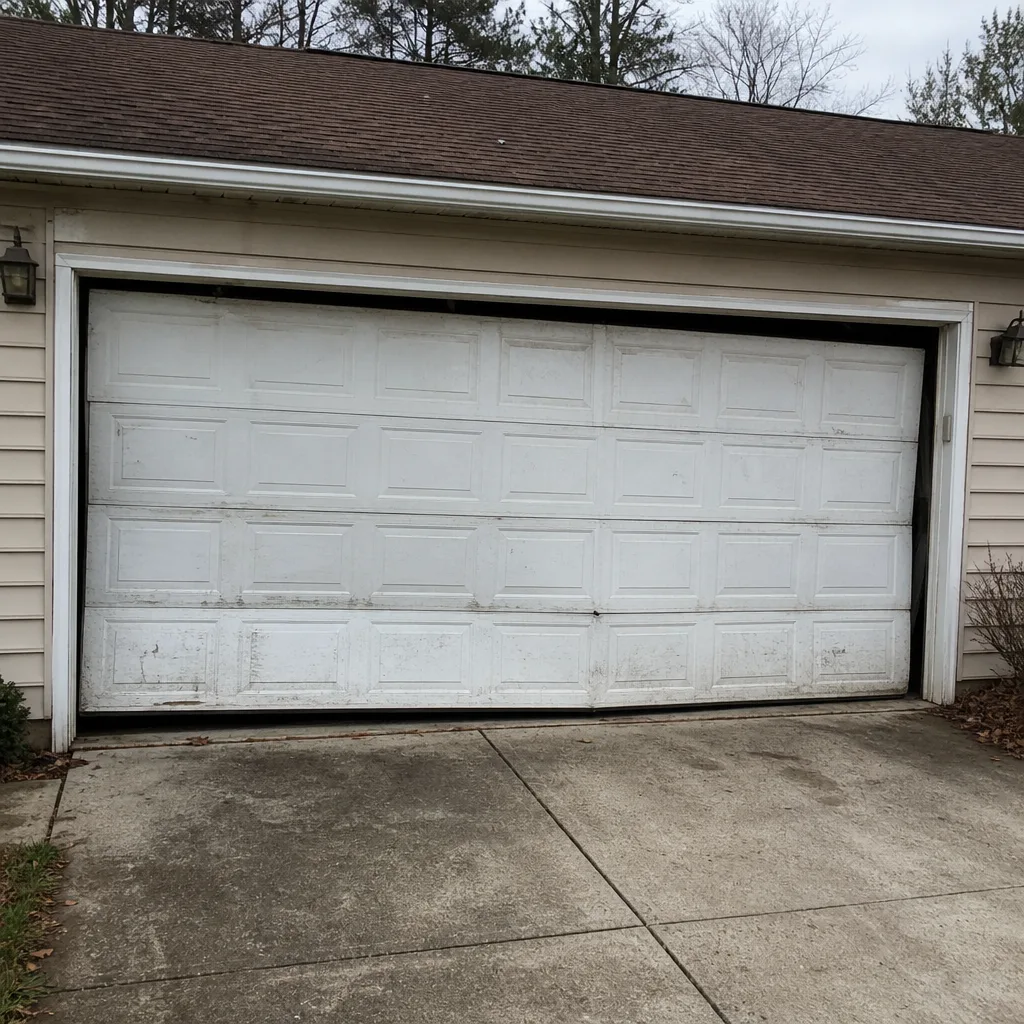 Before
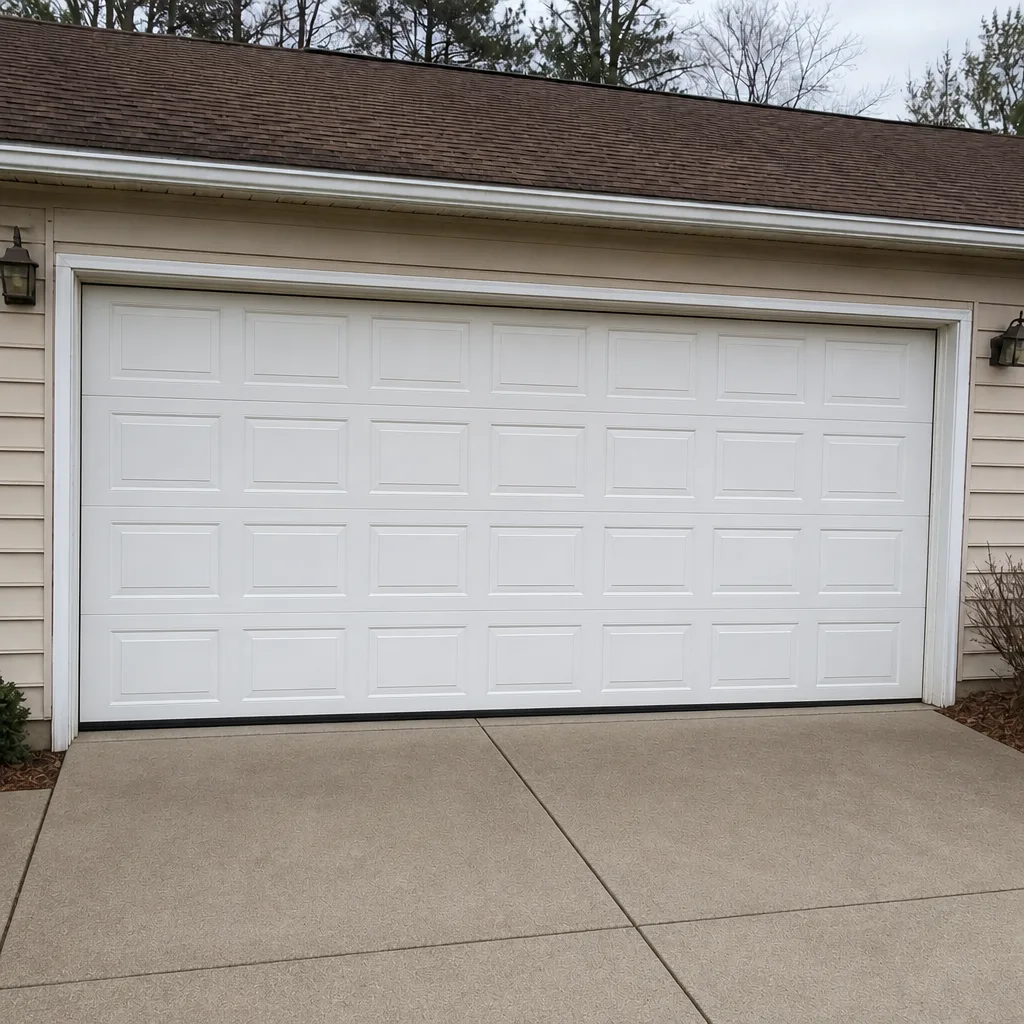 After
When to Call a Professional
Call a professional for anything that involves torsion springs, cables, drums, tracks or the door coming off its rails. These are under serious tension and carry real injury risk, and no amount of how-to video makes them safe to handle at home. Call when you hear a loud snap from the garage, when the door suddenly feels very heavy or won’t stay up, when it’s off its track or hanging unevenly, or when the opener has quit or is throwing errors you can’t clear. Also call if a door has been sealed to the concrete and won’t free, or if you’re not sure whether the spring or the opener is at fault. Canton Garage Door Repair Pros offers free estimates in Canton. Call (877) 358-2572, and get the right fix instead of a guess.
Frequently Asked Questions
Twice a year is the baseline, timed to the climate: once after the winter thaw and once before the first freeze. In Canton’s humid summers and freeze-thaw winters, a door that gets serviced in spring and fall lasts longer and fails less, and it’s cheaper than rescue calls. A quarterly lubrication routine fills the gap in between.
The temperature swing is the culprit. A February day that runs from 18°F to 48°F cycles the spring between contraction and expansion, which fatigues the steel faster than steady cold. That’s why most spring failures land in January and February, and why the post-thaw inspection matters so much.
No, and we’d strongly advise against trying. A torsion spring holds the full weight of the door under extreme tension, and releasing it under your hands can cause serious injury. Spring repair is a job for a trained technician with the right tools, and it’s the highest-stakes work in garage door service.
A flexible material that returns to shape after you press it, and that makes contact along the full perimeter, handles Canton’s summer humidity best. Stiff seals can harden and lose contact. Check both the perimeter seal and the bottom seal, because the threshold is the first place moisture gets in.
Clear snow and ice from the base, then free the seal gradually, using a hair dryer on low near the bottom seal if you have one. Don’t pour hot water on it, and don’t pry at the seal with a screwdriver. If it won’t free or the opener has been forced, stop and call.
Yes, especially on a modern opener with Wi-Fi pairing and safety sensors. Opener repair involves wiring, the motor and safety systems, and a mistake can leave the door unsafe. Call (877) 358-2572 for a free estimate, and we’ll diagnose the opener and the door.
The Bottom Line
Canton’s climate doesn’t punish a garage door evenly. Summer humidity works at weatherstripping and wood finishes, fall debris packs under the seal, and the January and February freeze-thaw cycles are what actually break springs and cables. Match your maintenance to that pattern: inspect after the thaw, address the seal and weatherstripping in summer, clear the alley debris and lubricate before the freeze, and watch the springs and balance through the cold weeks. Do the safe parts yourself and call us for springs, cables and anything off-track. Call (877) 358-2572. We answer 24/7. Fast dispatch from 7am to 7pm, Sunday through Friday. Free estimates, and the price is set by a written estimate before any work starts.
Written by the team at Canton Garage Door Repair Pros.