
Last updated November 21, 2026
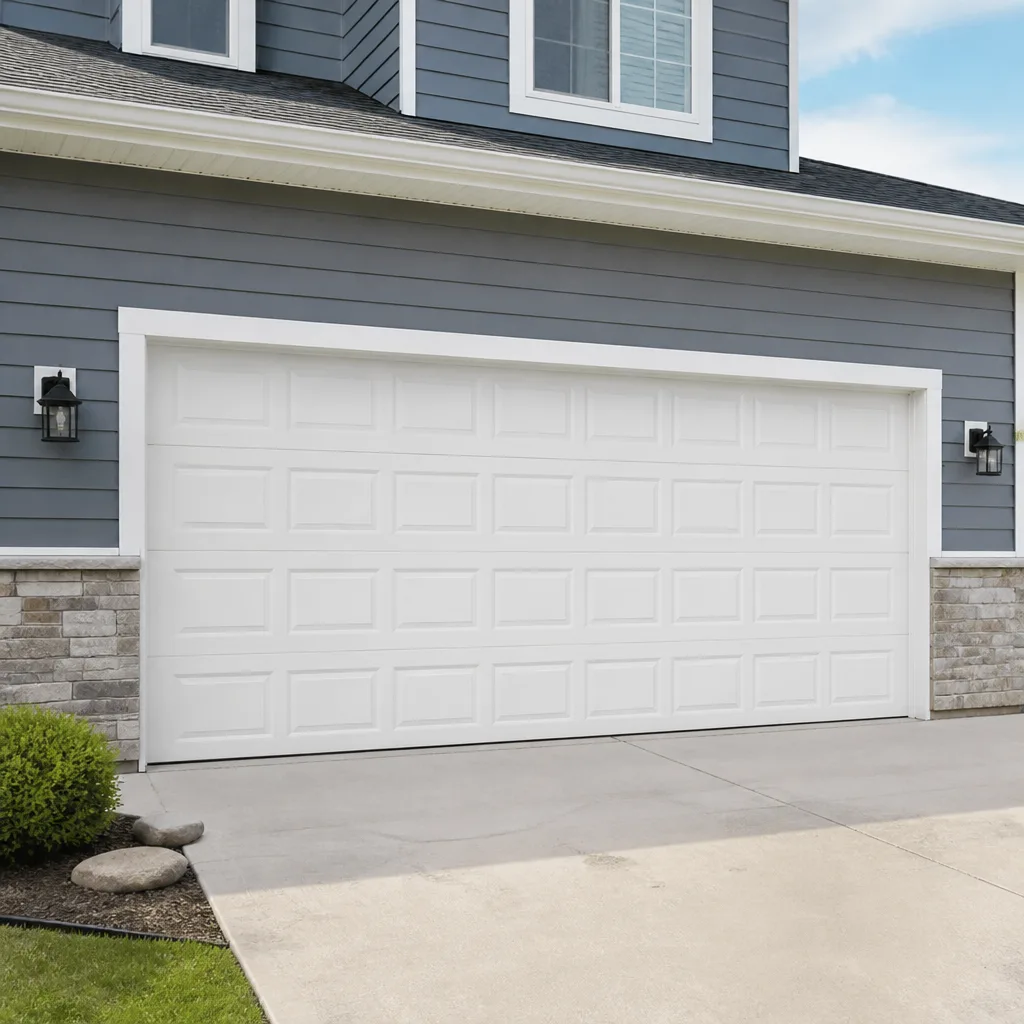 Raised-panel steel
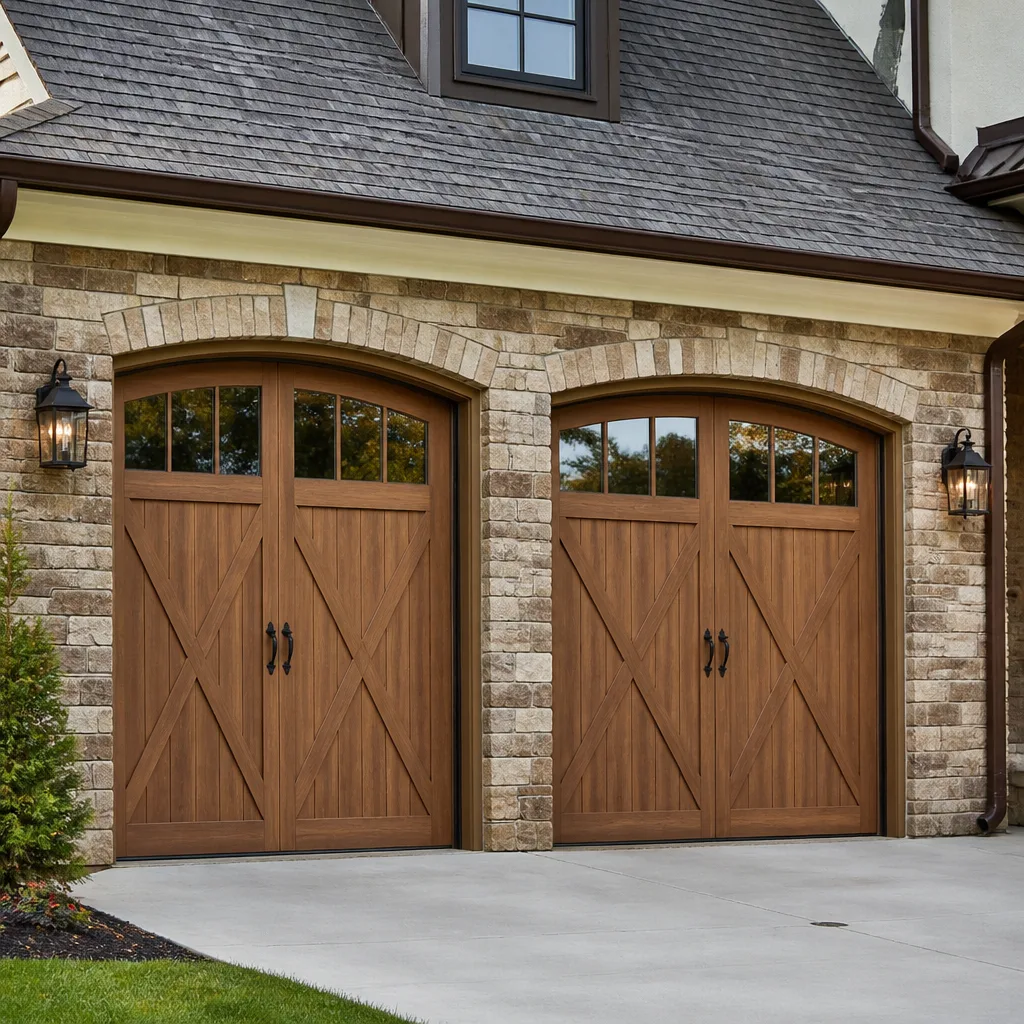 Carriage house
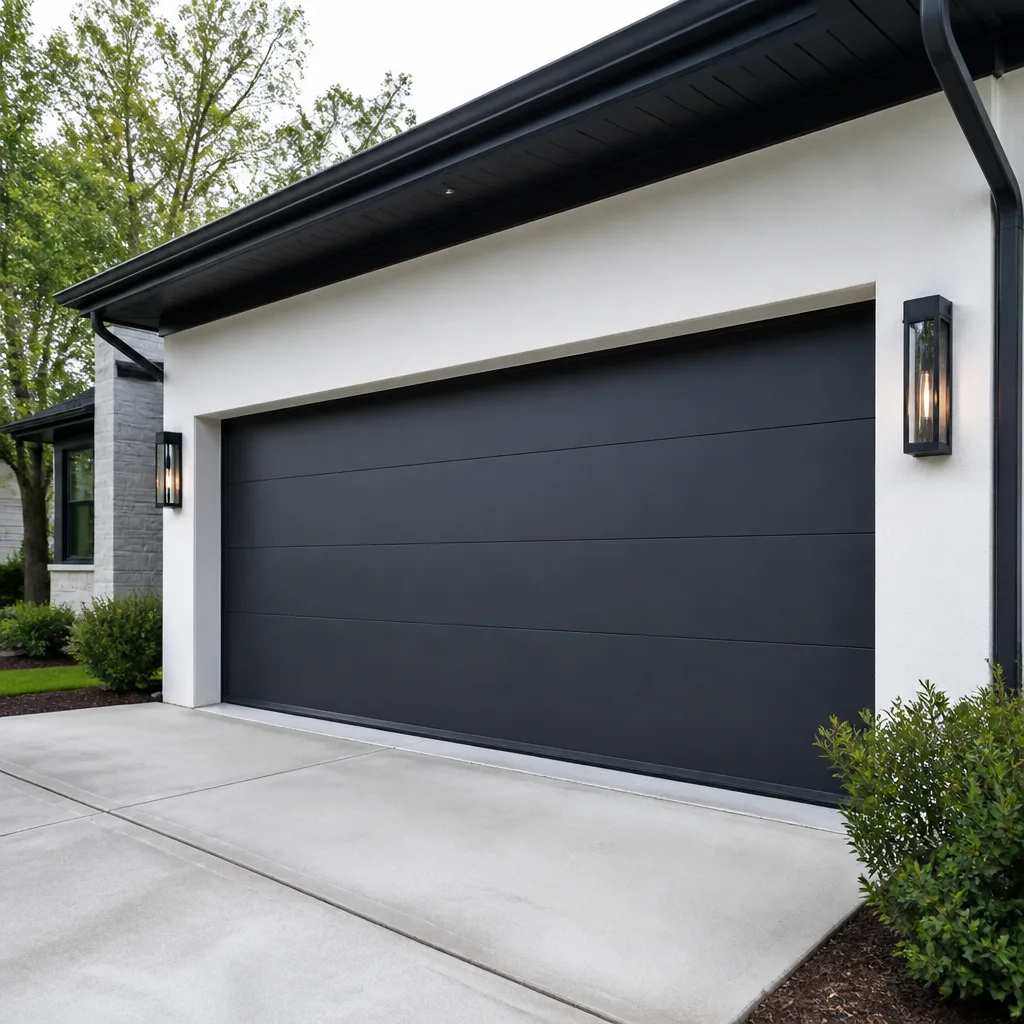 Modern flush
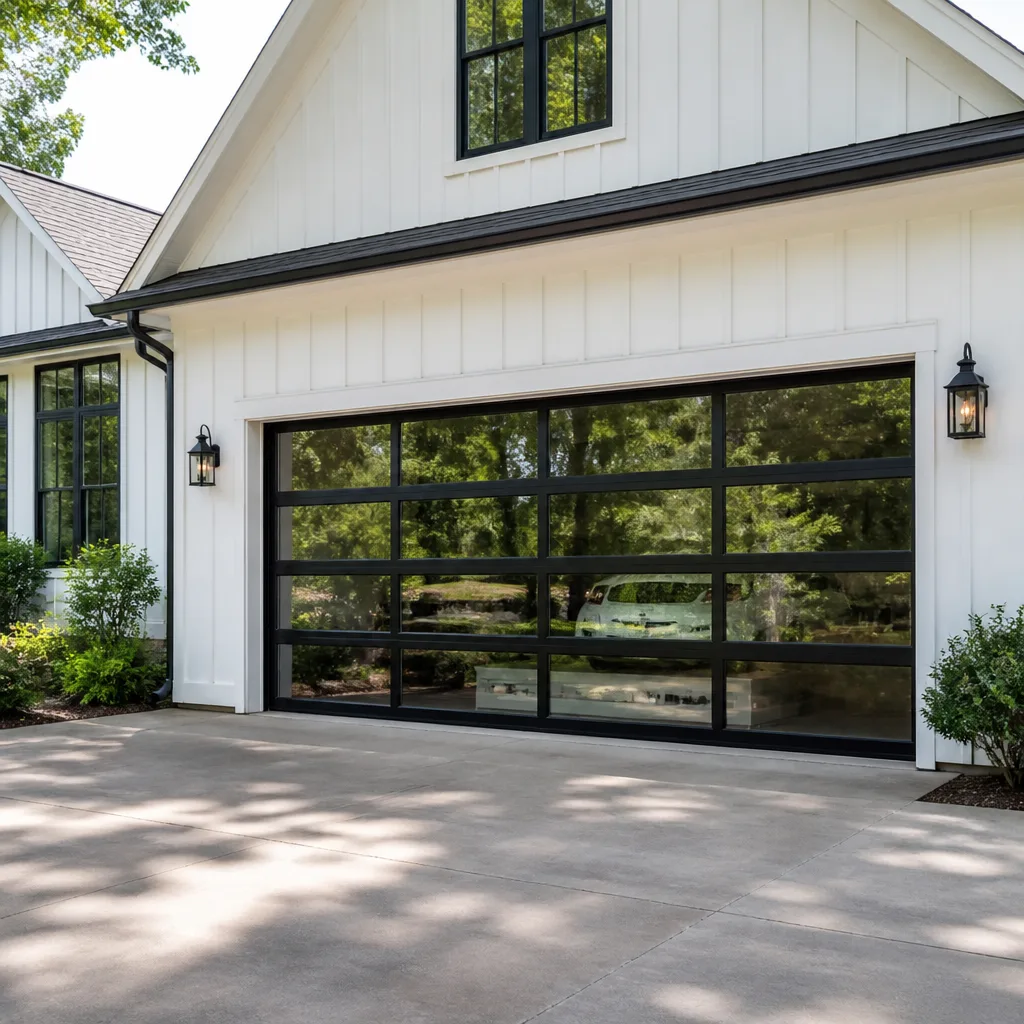 Full-view glass
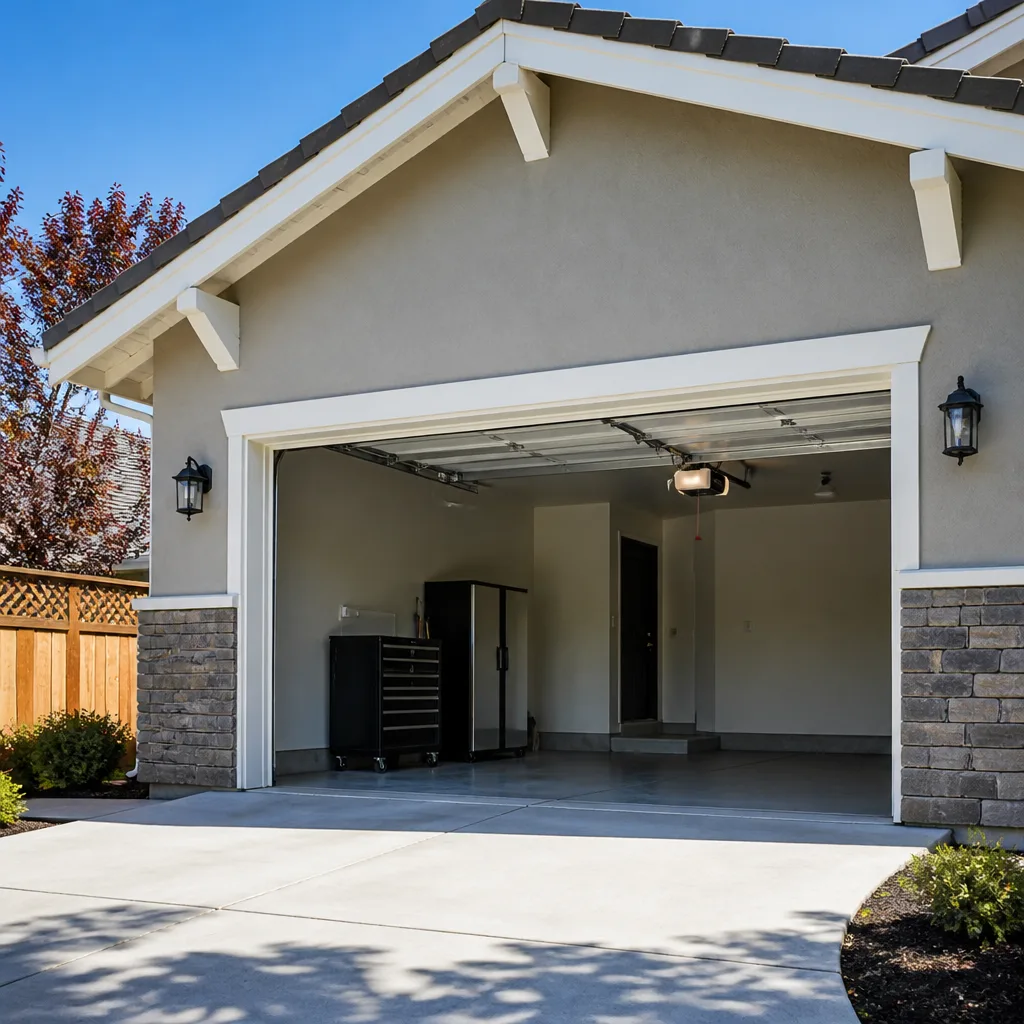 LiftMaster openers
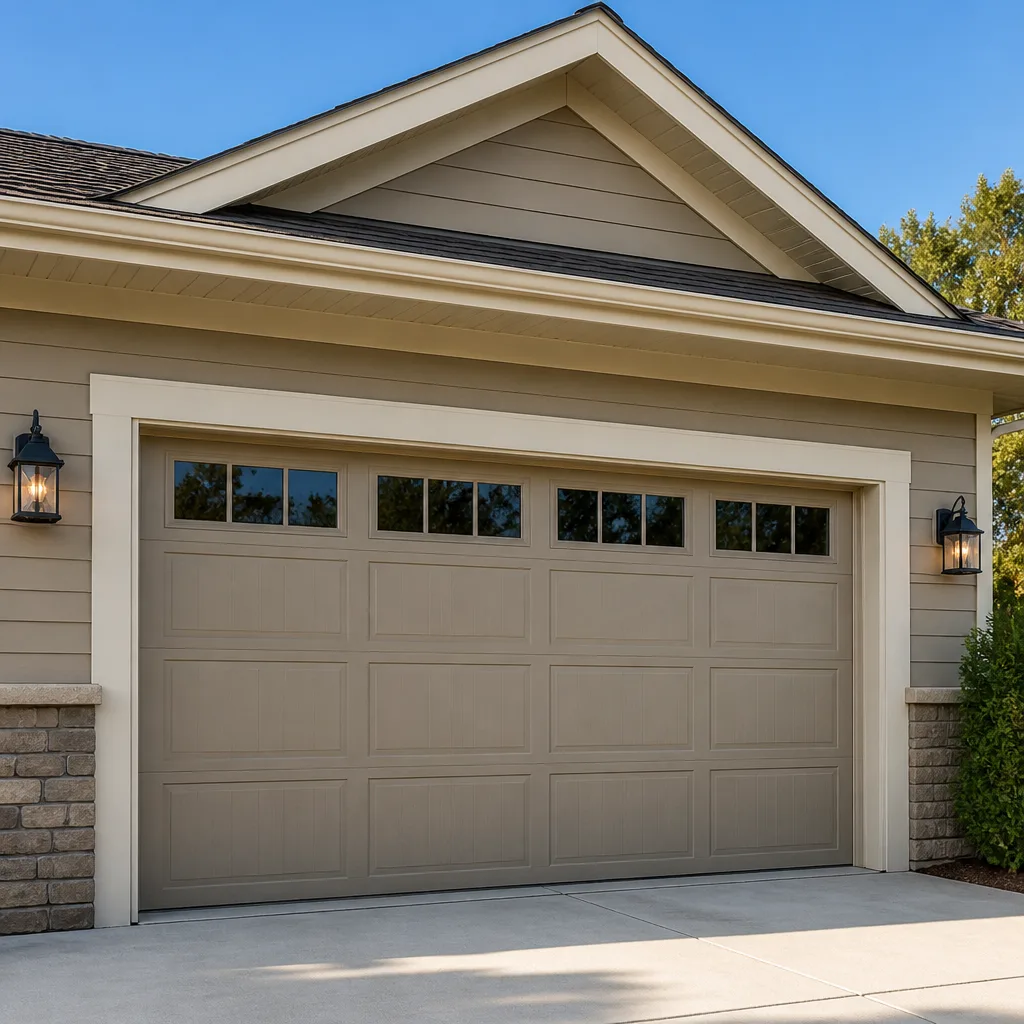 Chamberlain openers
Full 25-point door and opener safety check with every visit - springs, cables, rollers, tracks, and your LiftMaster or Chamberlain opener included
You get a price before we start. It does not change when the pro arrives.
Get your free estimateHow to Hire a Garage Door Contractor in Canton: A Step-by-Step Guide
Most Canton homeowners hiring a garage door contractor ask one question: “Are you licensed?” It’s the right instinct, but it’s the wrong first question. Plenty of operators can flash a number and still send a technician who’s never opened a Wayne Dalton Torquemaster system, doesn’t know why a LiftMaster wall-mount behaves differently from a chain-drive unit, and treats every spring as if it works the same way. Getting it wrong there is how a repair becomes a hazard for the next person who opens the door. This guide walks through how to hire in Canton the careful way: verifying the Maryland license, asking brand-specific questions, reading a written estimate for what it leaves out, and spotting a quote that’s selling replacement when repair would do.
Quick Answer
To hire a garage door contractor in Canton, verify an active Maryland Home Improvement Commission (MHIC) license through the state’s public database before you book, confirm the company has worked on your specific brand and spring type, and insist on a written estimate that itemizes parts, labor, and warranty terms separately. A legitimate contractor will answer brand questions without hesitating and will explain why repair is or isn’t the right call. Anything vague on those three points is your answer.
Styles & brands we work with
- Raised-panel steel
- Carriage house
- Modern flush
- Full-view glass
- LiftMaster openers
- Chamberlain openers
Table of Contents
- Why Brand-Specific Experience Matters More Than a License Alone
- How to Check a Maryland MHIC License Step by Step
- The Questions to Ask Before You Book
- What a Legitimate Written Estimate Must Include in Maryland
- How to Tell If a Quote Is Pushing Replacement
- Labor Warranty vs. Part Warranty: Why Both Matter
- The Spring Job: Where Safety and Skill Overlap
- Red Flags That Should End the Conversation
Why Brand-Specific Experience Matters More Than a License Alone
A Maryland license proves a contractor is legally allowed to work on your home. It does not prove they’ve touched your brand. And garage doors are not a single system with one set of rules. A Wayne Dalton Torquemaster uses a proprietary tension system that works nothing like a standard torsion setup, and a technician who assumes it does can leave the door in a state that’s dangerous to operate and expensive for the next person to untangle. That’s the scenario most homeowners never think to ask about.
The brands you’ll find in Canton garages tend to cluster around a handful of names, and each has its own quirks. A technician working on a Craftsman opener is dealing with a different logic board and travel-adjustment setup than one working on a modern Chamberlain or LiftMaster unit with Wi-Fi integration. Raynor doors have their own panel and hardware conventions. A contractor who works across all of them regularly isn’t guessing on your door. They already know what they’re looking at when they walk in.
This is the real dividing line between a generalist and a specialist. A handyman can often swap a spring or reset an opener. But brand-specific familiarity means the technician recognizes the difference between a symptom and the actual cause faster, and it means they aren’t learning your system on your time and your dime. When you’re comparing contractors in Canton, ask which brands they work on regularly, then ask what’s distinctive about yours. A confident, specific answer is worth more than a generic one delivered with a smile.
We work on all eight major brands: LiftMaster, Chamberlain, Genie, Clopay, Amarr, Wayne Dalton, Craftsman, and Raynor. That range matters because it means we already know your system before we arrive. You can read more about how we handle garage door repair across brand types.
How to Check a Maryland MHIC License Step by Step
Maryland requires home improvement contractors to hold a license through the Maryland Home Improvement Commission, part of the Department of Labor. Verifying that license is easier than most homeowners expect, and it’s the single most effective filter you have. Here’s how to do it.
- Get the license number in writing. Ask for it before any visit. A contractor who hesitates, deflects, or says “we’re fully licensed” without a number is telling you something.
- Search the MHIC public database. Maryland maintains a searchable licensing lookup on its official state site. Enter the company name or license number.
- Confirm the status reads active. Expired, suspended, or revoked statuses appear in the same database. Don’t accept “it’s being renewed” as an explanation.
- Match the legal business name to the one on the quote. A license belonging to a different entity than the one billing you is a problem, not a technicality.
- Check whether the license covers the work you’re hiring for. Maryland’s license is tied to the type of home improvement work performed. Spring work, opener work, and full installations all fall under the home improvement umbrella, but the license must be current and match the company doing the job.
- Look for complaints or disciplinary actions. The same database surfaces enforcement history. A pattern of complaints is worth taking seriously.
The license matters even more on garage door work than on many other trades, because spring failure is the leading cause of DIY garage door injuries nationally. When a spring is under tension, the forces involved are serious. A licensed, insured contractor carries the workers’ compensation and liability coverage that protects you if something goes wrong on the job. That’s not paperwork. That’s the difference between a covered repair and a very expensive problem.
One thing the license doesn’t tell you: whether the contractor actually shows up prepared. That’s where the next section comes in.
The Questions to Ask Before You Book
A phone call tells you more than a website ever will. Ask these questions before you commit to a visit, and listen for hesitation as much as for the answer. A specialist will answer quickly. A generalist will work around the question.
- “What brand is my door, and what’s distinctive about its spring system?” If they can’t say anything specific about your door’s mechanism, they’re planning to figure it out on-site.
- “Do you work on Wayne Dalton Torquemaster systems?” This separates the specialists from the generalists. The Torquemaster isn’t standard torsion, and a technician who treats it like it is can create a problem.
- “How do you handle LiftMaster and Chamberlain smart openers?” Modern openers have app integration, Wi-Fi modules, and different control logic. A contractor familiar with them won’t need to guess.
- “Do you repair and replace springs, or only one of those?” A full-spectrum contractor handles both. Someone who only replaces is telling you something about how they make money.
- “Can you give me a written estimate before any work starts?” The answer should be an unqualified yes. The price gets quoted and agreed before the job begins, always.
- “What does your labor warranty cover, and for how long?” Get the answer in writing on the estimate, not just in conversation.
- “Are you insured, and can you confirm your MHIC license number?” Both should be ready without delay.
Pay attention to how the contractor handles the brand question. A technician who works across LiftMaster, Chamberlain, Genie, Craftsman, Raynor, Clopay, Amarr, and Wayne Dalton regularly will mention specific differences without being prompted. Someone who stays vague across all of them probably isn’t working across all of them.
The same rule applies to garage door opener repair: ask whether they’ve handled your opener’s platform. A technician who knows the difference between an older Craftsman chain drive and a current LiftMaster with MyQ has a real advantage on the diagnostic side.
What a Legitimate Written Estimate Must Include in Maryland
A written estimate is your protection. In Maryland, home improvement contracts above a certain threshold must be in writing, but the quality of the writing matters as much as whether it exists. A legitimate estimate tells you exactly what you’re paying for and exactly what you’re not. A shady one is vague where it matters and specific only on the number at the bottom.
Here’s what a solid written estimate should contain:
- Parts itemized separately from labor. You should see the spring, the opener, the panel, or whatever component is being replaced listed by type, with the labor broken out.
- The brand and model of any part being installed. If they’re putting in a spring, you should know the type and the manufacturer. Same for an opener.
- The scope of work, in plain language. “Replace torsion spring” is not a scope. “Replace both torsion springs, cycle the door to test balance, adjust cables as needed” is.
- Whether the price is for one spring or a matched pair. Torsion springs wear together. Replacing one and leaving the other is a decision you should be making knowingly, not discovering later.
- Warranty terms split into labor and parts. These are two different warranties and often have different durations.
- The payment schedule, with no large deposit before work starts. Reasonable deposits exist; demands for the full amount up front do not.
- The contractor’s legal name, MHIC license number, and contact information.
- A clear statement that the quoted price holds unless you approve a scope change. Surprise invoices almost always trace back to a scope that was never agreed in writing.
What estimates deliberately leave out is just as telling. If there’s no labor warranty language, if the parts aren’t named, if the phrase “starting at” appears without a firm number, ask directly. Some quotes are written to be vague so that the invoice can be higher. The written estimate is the price, not the beginning of a negotiation.
How to Tell If a Quote Is Pushing Replacement
Not every replacement is unnecessary. Sometimes a door is genuinely at end of life, and sometimes a full installation is the right call. But a contractor whose first recommendation is always replacement is telling you where they make their margin. The honest question is whether repair would solve the actual problem.
Here’s how to think it through:
- Spring failure is a repair, not a replacement trigger. A broken torsion or extension spring is a spring job. A door that needs new springs does not, by that fact alone, need a new door.
- Opener failure is usually a repair. Motors, logic boards, photo eyes, and travel limits fail individually. A dead opener doesn’t mean the door or the track needs replacing.
- Panel damage can often be handled panel-by-panel. One dented or damaged section doesn’t always require a full door. Ask whether a matched garage door installation panel is available for that model.
- A door off its track is usually a track and hardware repair. Tracks bend, rollers wear, and cables jump. Those are fixable components.
- Replacement makes sense when structural problems stack up. Warped panels, widespread corrosion, a door that’s been patched repeatedly, or a model where parts are no longer available. Even then, it’s worth getting the repair and replacement options side by side.
The right answer is often “we can fix this.” When a quote jumps straight to a new door without explaining why, ask what the repair option would cost. If they can’t or won’t price it, you have your answer about their priorities. What we look for in Canton is the repair that fixes the problem without replacing parts that are still good. That’s the right fix, not the easiest upsell.
Labor Warranty vs. Part Warranty: Why Both Matter
Most homeowners ask “is there a warranty?” and stop there. That’s a mistake on any garage door work and a serious one on a spring job. There are two warranties, and they cover different things. A parts warranty protects you if the spring itself fails prematurely. A labor warranty protects you if the installation was done wrong. One without the other leaves you with real risks.
Consider how each failure mode plays out:
- The part fails early. A spring that breaks within its warranty window is covered by the manufacturer, but the labor to pull it and install a replacement may not be covered by that manufacturer warranty. That’s where the labor warranty earns its place.
- The installation was faulty. If the technician set the wrong tension, misjudged the cable, or left the door unbalanced, the failure shows up under load. A parts warranty won’t touch that. A labor warranty does.
- The warranty terms are verbal. If it’s not written on the estimate, assume it doesn’t exist. Get duration, coverage, and any limitations stated plainly.
- The warranty excludes spring work. Some contractors warrant their general labor while carving out springs entirely because springs are the high-stress component. That’s worth knowing before you agree, not after the spring breaks.
Ask for a written warranty on both labor and the specific part being installed. On spring work, this matters most, because spring failure is the component most likely to cause a problem if something was done wrong. Ask for these in writing when you call Canton Garage Door Repair Pros, and don’t settle for the answer “we back our work.” Ask what that means in months and in dollars.
The Spring Job: Where Safety and Skill Overlap
We’ve been asked hundreds of times whether a homeowner can just replace the spring themselves. The answer is no, and it’s not a sales pitch. A torsion spring under tension stores a serious amount of mechanical energy. When it releases unexpectedly, it does so faster than a person can react. Spring failure is the leading cause of DIY garage door injuries in the trade, and that statistic exists because people underestimate what the spring actually is.
The danger isn’t only in the spring itself. It’s in the cable, the winding bars, and the tension adjustment process, each of which requires the correct tools and the correct sequence. A spring wound to the wrong tension can operate for a while and then fail under load. That’s the scenario a brand-informed technician is trained to prevent, and it’s why the spring work is the part of the job where you should not cut corners.
What you can safely check yourself before calling:
- Visual condition. A visible gap in the spring coil, or a stretch that looks uneven, is worth a professional look. Don’t touch it.
- Balance test. Disconnect the opener, lift the door halfway by hand, and see whether it holds position. A door that drifts up or down on its own is out of balance.
- Sound and speed. A door that runs slower or louder than usual, or that slams down, is telling you something’s off.
- Sag or tilt. A door that’s uneven when it’s up is out of balance or has a hardware issue.
If any of those tests raise a question, stop. Don’t put the door in operation and don’t try to diagnose further. A trained technician should handle the spring, the cable, and the winding. Never reach for the winding bars yourself. This is where the difference between a specialist and a generalist is most consequential.
We handle torsion and extension springs, and our approach is safety first. Our technicians have up to 8 years of experience with these components. When the door won’t open at all, we offer emergency garage door service because we know it’s not a repair you can put off.
Red Flags That Should End the Conversation
Some warning signs are obvious. Others are more subtle, and they’re the ones homeowners miss. Here’s what to watch for as you’re evaluating contractors in Canton.
- No MHIC license number on the estimate or website. Maryland requires the license. Its absence is disqualifying. Ask yourself: if they can’t be verified, what else can’t they?
- No physical address, and no way to verify a business entity. A legitimate contractor is findable and gives you the legal name and address on paperwork.
- Pressure to sign on the spot, with a “today only” price. Legitimate pricing doesn’t expire in an hour. Pressure to commit before you’ve compared is the most common tactic.
- Cash-only payment requested before work starts. Some legitimate contractors take cards or checks; the demand for cash up front is a different signal.
- A quote with no itemized parts and no separate labor. If the estimate is a single number and a handshake, you don’t have an estimate.
- Immediate replacement recommendation with no repair option priced. Ask directly what repair would cost. If they won’t quote it, that’s your answer.
- No brand information on the proposal. If you can’t tell what brand and model of part they’re installing, ask. A contractor with nothing to hide will tell you.
None of these are dealbreakers on their own in every single case, but each one is a question you should be satisfied with the answer to. When several show up together, walk away.
Common Mistakes to Avoid
- Only checking the license after booking. Verify before the visit, not after the technician’s already at the door. The MHIC lookup takes two minutes, and it’s the most useful two minutes in this whole process.
- Asking “can you fix it?” but never “have you worked on this brand?” The first question is easy to answer. The second is the one that reveals whether the technician knows your system.
- Accepting a verbal estimate. Get the quote in writing, with parts and labor separated, before any work starts. If the quote is only a phone number and a promise, the invoice has nowhere to go but up.
- Assuming a broken spring means a new door. It doesn’t. Spring replacement is a repair. Ask for both options if a contractor pushes toward replacement.
- Missing the “one spring or two” question. Torsion springs are usually replaced as a matched pair. If the quote prices one spring, ask whether replacing both is the right call.
- Ignoring warranty details. Labor and parts warranties are different. Get both in writing, and get the duration, not just the existence.
- Skipping Canton-specific code checks. Permit requirements for structural or installation work can vary. Ask your city’s building department whether a permit is required for a full door replacement or opener installation before work starts.
See the difference
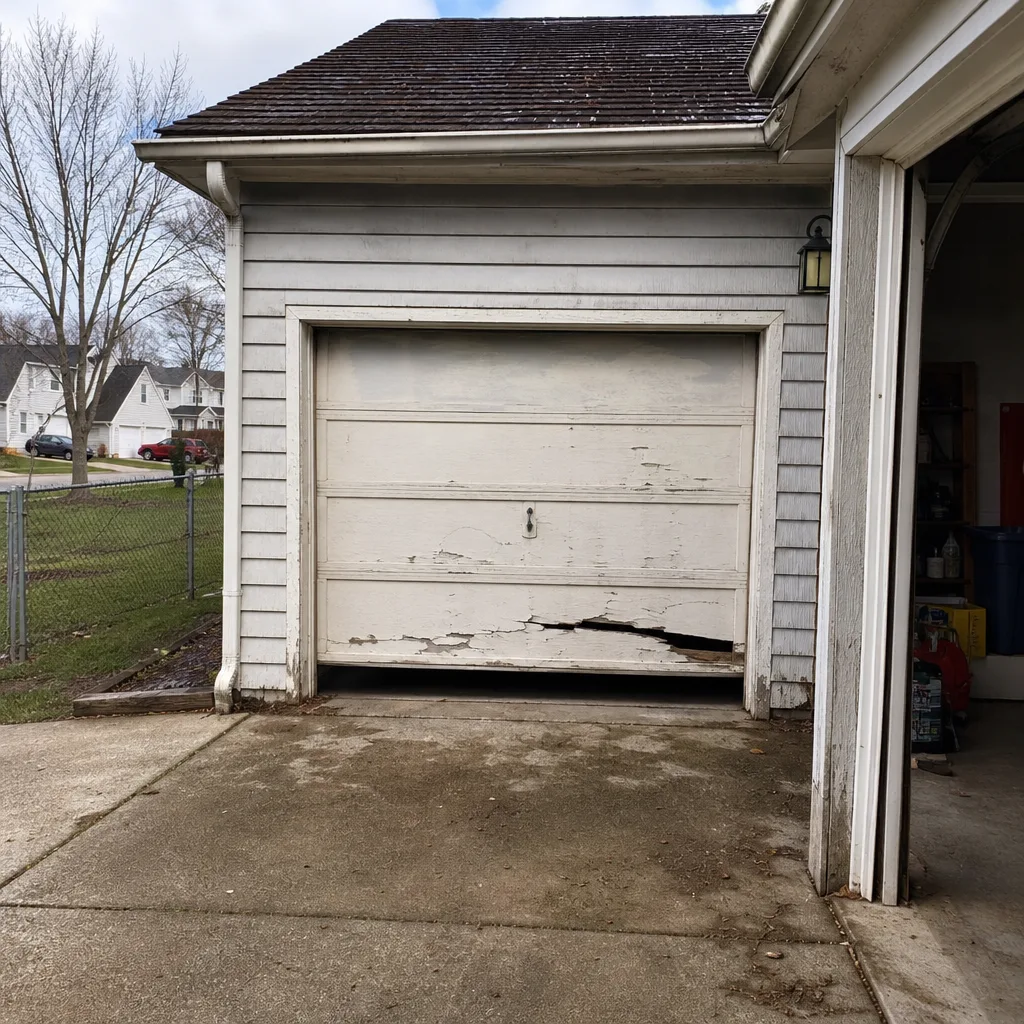 Before
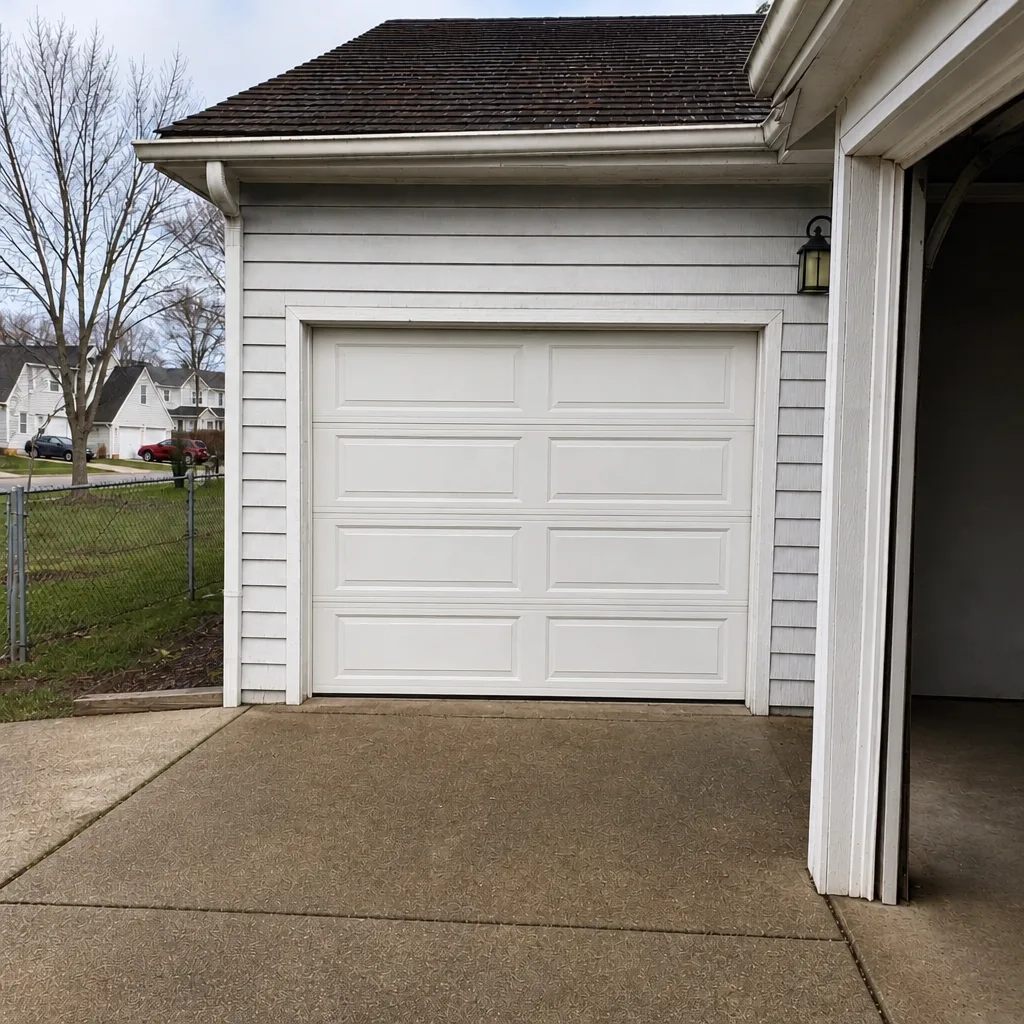 After
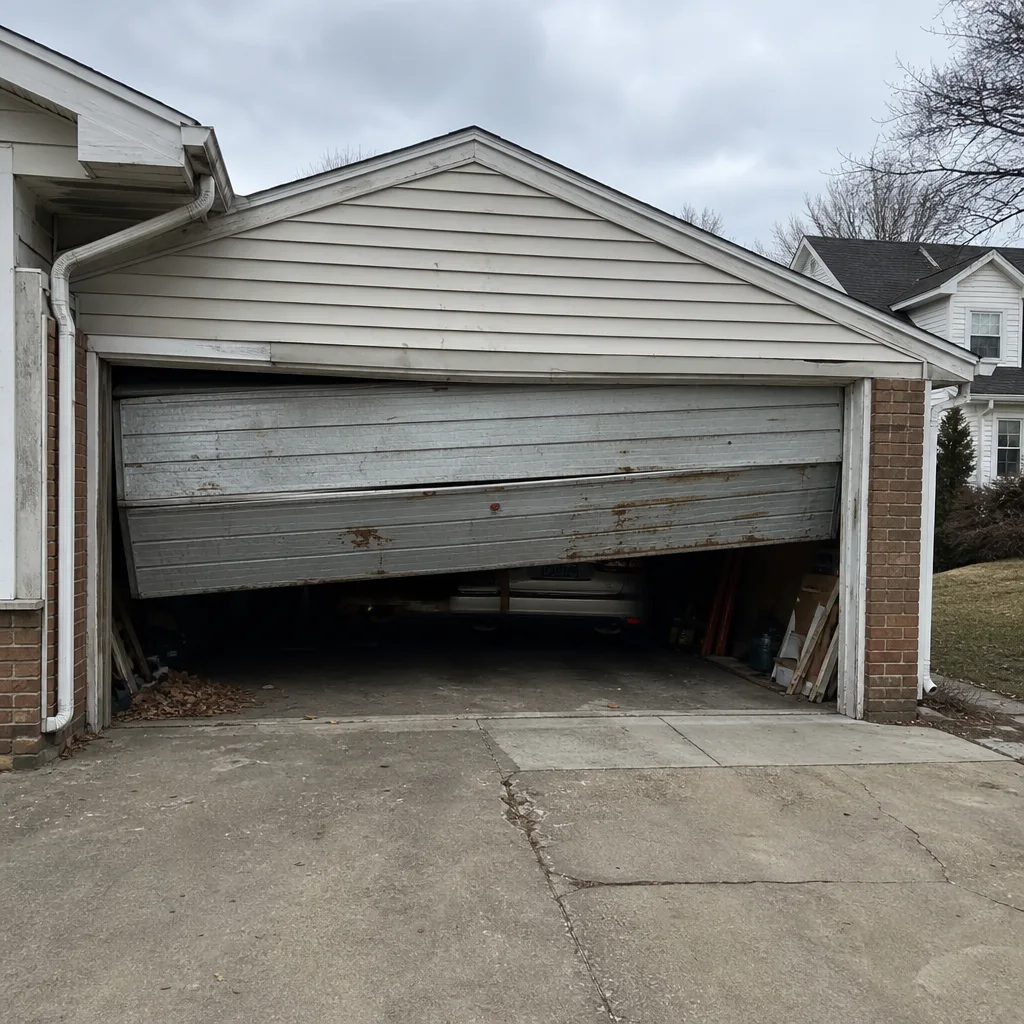 Before
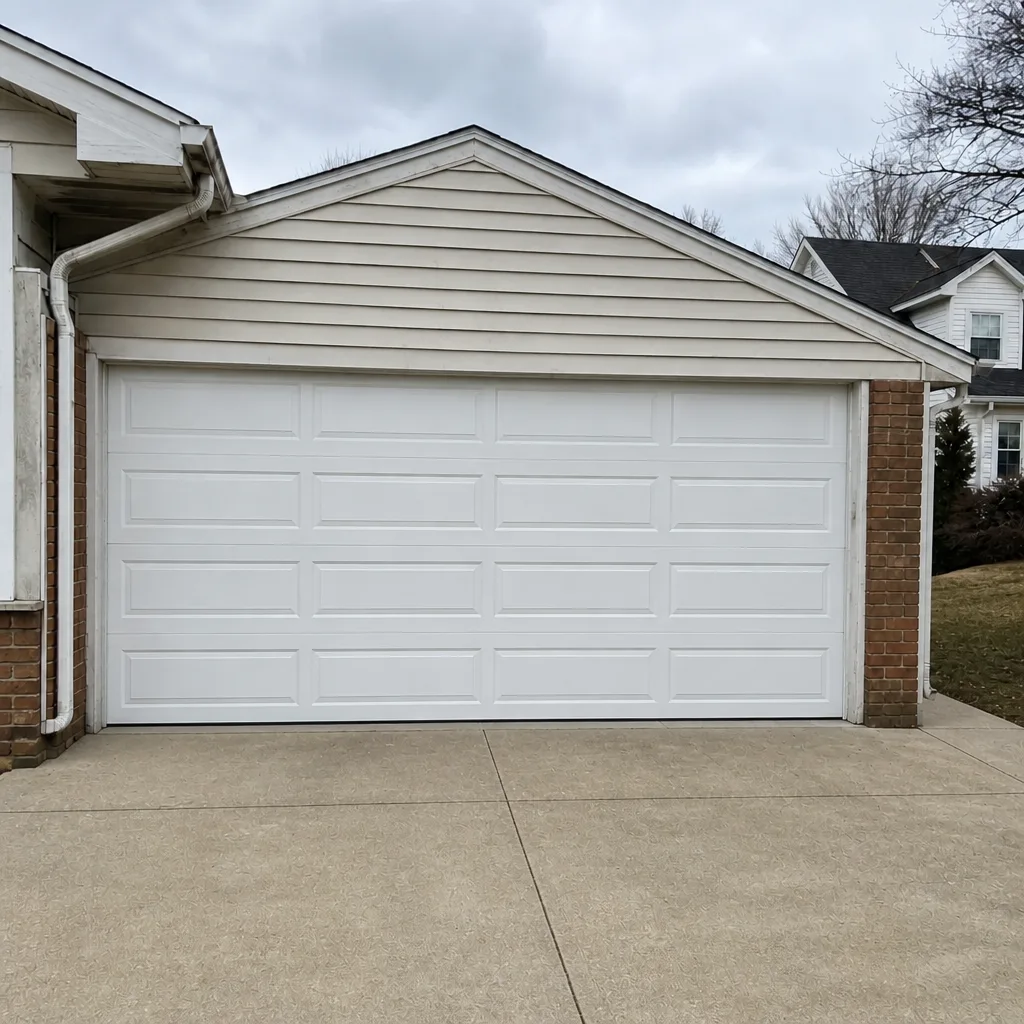 After
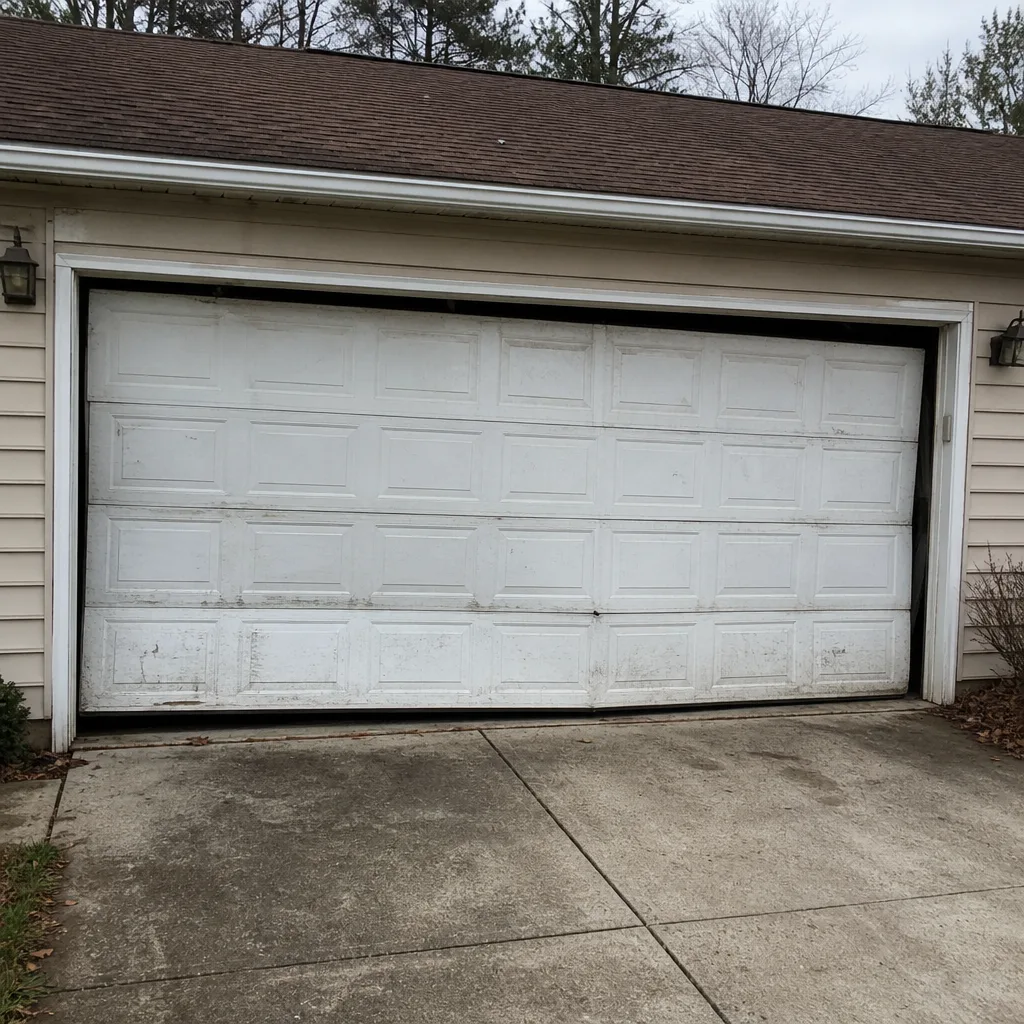 Before
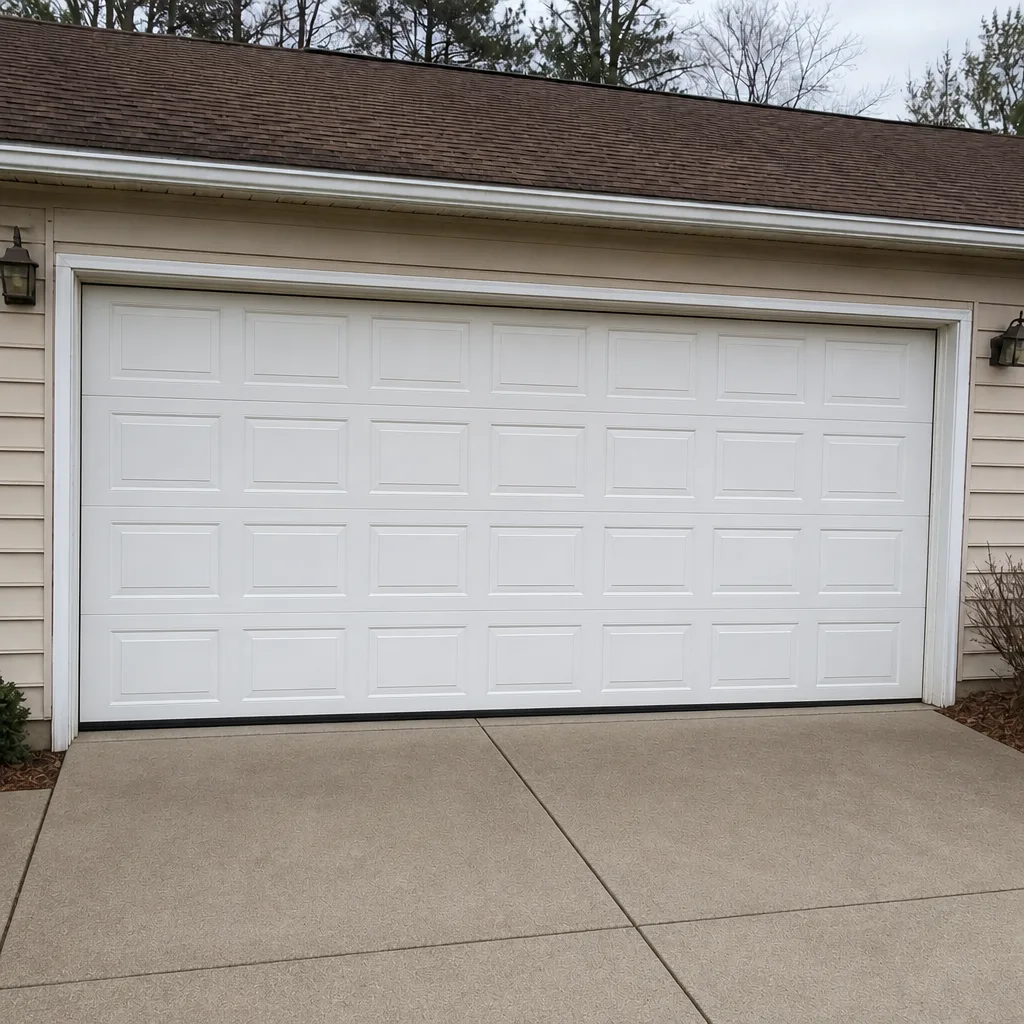 After
When to Call a Professional
Some problems are worth watching. Others can’t wait. Call a professional if the spring has broken or is visibly damaged, if the door is off its track or won’t close evenly, or if the opener runs but the door doesn’t move. Those are signs you shouldn’t test at home.
Call immediately if the door is stuck open with your car trapped inside, if a panel has come loose, or if the door drops when you release it. These are safety issues, not scheduling issues. If the door is unbalanced, slams shut, or runs noticeably harder than it used to, that’s worth a professional look before it becomes a bigger repair.
Canton Garage Door Repair Pros offers free estimates in Canton. Call (877) 358-2572. We answer 24/7. Fast dispatch from 7am to 7pm, Sunday through Friday. When it won’t open and you can’t wait, that’s what we’re here for. Our team covers garage door repair, spring service, opener repair, and full installations under one roof. No referrals out, no second call.
Frequently Asked Questions
Yes. In Maryland, garage door work falls under home improvement contracting, and you should verify an active MHIC license before booking. Ask for the license number, look it up in the state’s public database, and confirm the status reads active. If the company can’t provide a license number or the name on the license doesn’t match the one on the quote, don’t hire them. Call (877) 358-2572 for an exact quote on your job; estimates are free.
Garage door repair in Canton typically runs from around $150 for a straightforward fix to several hundred dollars for a spring or track job, depending on the parts involved. Spring replacement, opener repair, and panel work carry different ranges, and a matched pair of springs costs more than a single spring. The written estimate sets the final price. Call (877) 358-2572 for an exact quote; estimates are free.
Often yes. A door stuck open is a real access and security problem, so we treat it as urgent. Call (877) 358-2572 and we’ll get a technician out as soon as we can. We answer 24/7. Fast dispatch from 7am to 7pm, Sunday through Friday. If you’re calling outside dispatch hours, we’ll book you into the next opening.
No, not without your approval. We quote and agree the price before any work starts, and the written estimate sets the final number. If we open the door up and find a second issue that wasn’t visible, we’ll show you what we found and give you the cost to fix it before touching anything. You decide whether to proceed. Call (877) 358-2572 for a free written estimate.
The local pro we connect you with is licensed and insured as Maryland requires. Ask for the MHIC license number and confirm it in the state database before work starts, and ask for a certificate of insurance if you want to see it. We can also work with your insurer if a claim is involved. Call (877) 358-2572 for an exact quote; estimates are free.
We work on all eight major brands: LiftMaster, Chamberlain, Genie, Clopay, Amarr, Wayne Dalton, Craftsman, and Raynor. That range matters because systems differ. A Wayne Dalton Torquemaster isn’t a standard torsion setup, and modern LiftMaster and Chamberlain openers with Wi-Fi integration behave differently from older mechanical units. When you call, tell us the brand and model, and we’ll match the technician to it. Call (877) 358-2572. We answer 24/7. Fast dispatch from 7am to 7pm, Sunday through Friday.
The Bottom Line
Hiring a garage door contractor in Canton comes down to three checks, and none of them are the one most people lead with. Verify the MHIC license before you book. Ask which brands the technician actually works on, and watch how they answer. Demand a written estimate that itemizes parts, labor, and warranty separately. Do those three things and you’ve screened out most of the contractors who cause problems. The licensing part is easy. The brand and the warranty are where the real difference lives.
If the door is broken now and you can’t wait, don’t shop around for a week. Call (877) 358-2572 for a free estimate and get it looked at. We answer 24/7. Fast dispatch from 7am to 7pm, Sunday through Friday.
Written by the team at Canton Garage Door Repair Pros.